


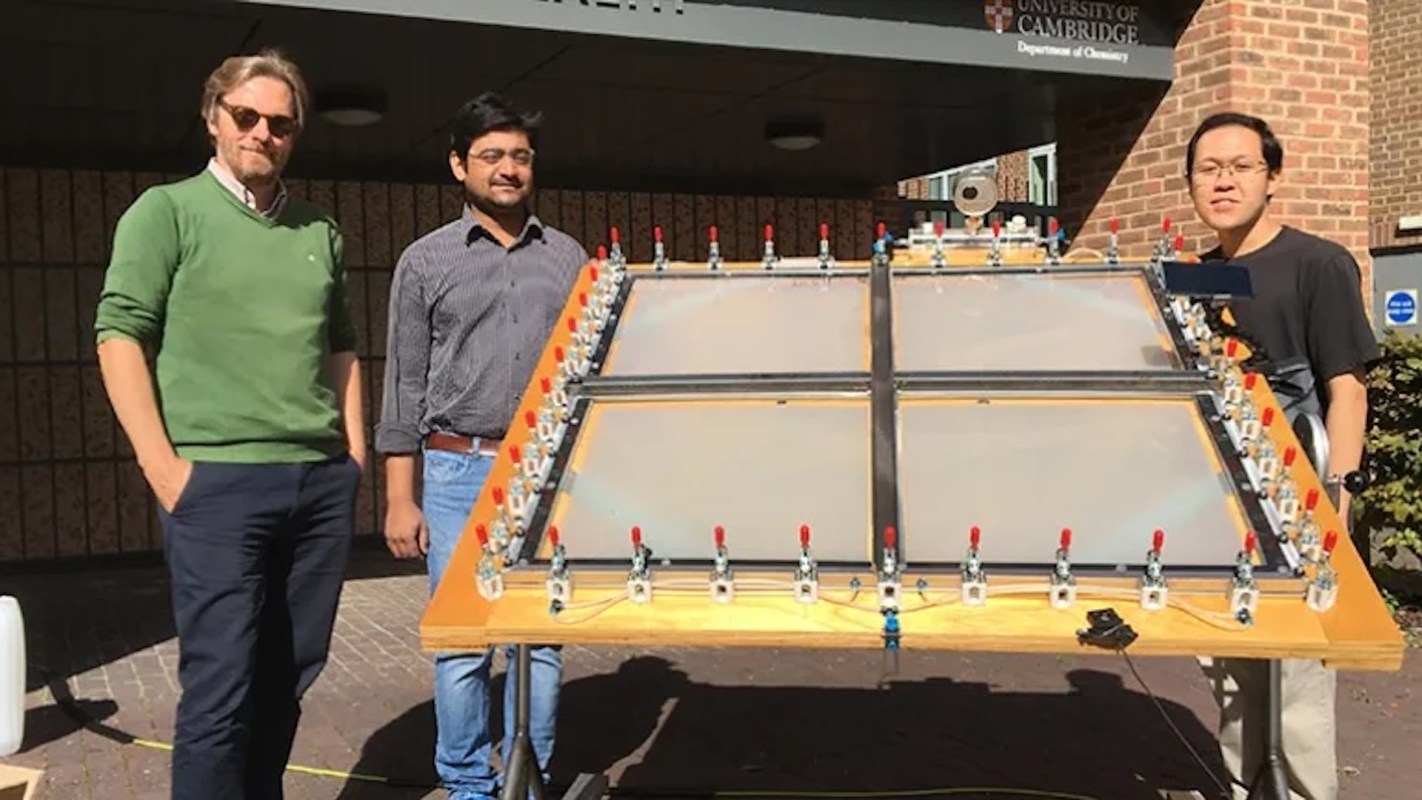
Unlike many early-stage energy devices, this solar-powered reactor has already been tested outside the lab. In those trials, it converted discarded plastic into hydrogen fuel — a cleaner way of producing hydrogen while also giving trash a second life.
That matters because success under real sunlight is a much higher bar than success under carefully tuned indoor conditions.
What happened?
The device uses sunlight to produce hydrogen from plastic waste, according to Anthropocene Magazine. Because hydrogen can be used as a fuel without releasing planet-warming tailpipe emissions, the setup suggests a cleaner use for some discarded materials.
This innovative reactor was developed by researchers from the University of Cambridge. Since more than 95% of the world's hydrogen is currently produced from natural gas or as a byproduct of petrochemical processes, this reactor could offer a cleaner way to produce the fuel.
Outdoor testing suggests the reactor may have potential beyond a narrowly managed lab demonstration, Anthropocene Magazine notes. The latest reactor measures about one square meter, a significant increase from an older prototype measuring 5 cm x 5 cm.
Instead of treating used plastic as something to dump, burn, or let pile up in landfills, the reactor is designed to recover value from it. That matters because plastic waste is widespread, and handling it is expensive for households, cities, and companies alike.
TCD Picks » Quince Spotlight
💡These best-sellers from Quince deliver affordable, sustainable luxury for all




The project tackles two goals at once: cutting waste while making a cleaner energy source. At least for some plastics, the system recasts trash as feedstock for something useful rather than as the end of the line.
Why does it matter?
Cities already spend large sums collecting and managing plastic waste, while businesses also shoulder disposal costs for packaging. Turning part of that waste stream into hydrogen could help reduce those expenses while creating a product with real economic value.
This development fits into a rapidly growing push for a circular economy, in which materials are reused instead of discarded. Scientists worldwide are searching for ways to convert everything from food scraps to carbon pollution into useful products, and this research adds to that momentum by showing that sunlight can do part of the heavy lifting.
What are people saying?
A lot of the reaction has centered on one detail in particular: the reactor worked outdoors rather than only under ideal indoor conditions.
Another theme in the response is the technology's potential to address waste and energy needs at the same time.
The next major questions are whether the reactor can process larger volumes, operate affordably, and handle the kinds of mixed plastic waste that build up every day.
"Converting waste streams into valuable products using clean energy sources is therefore an attractive strategy to address both energy and environmental concerns," the University of Cambridge researchers wrote.
"Amid rising demand for sustainable H2 generation and concerns over improper waste management," the researchers said, "this system serves as a potential pathway toward scalable sunlight-driven reforming to tackle both pressing issues."

Get TCD's free newsletters for easy tips, smart advice, and a chance to earn $5,000 toward home upgrades. To see more stories like this one, change your Google preferences here.







