


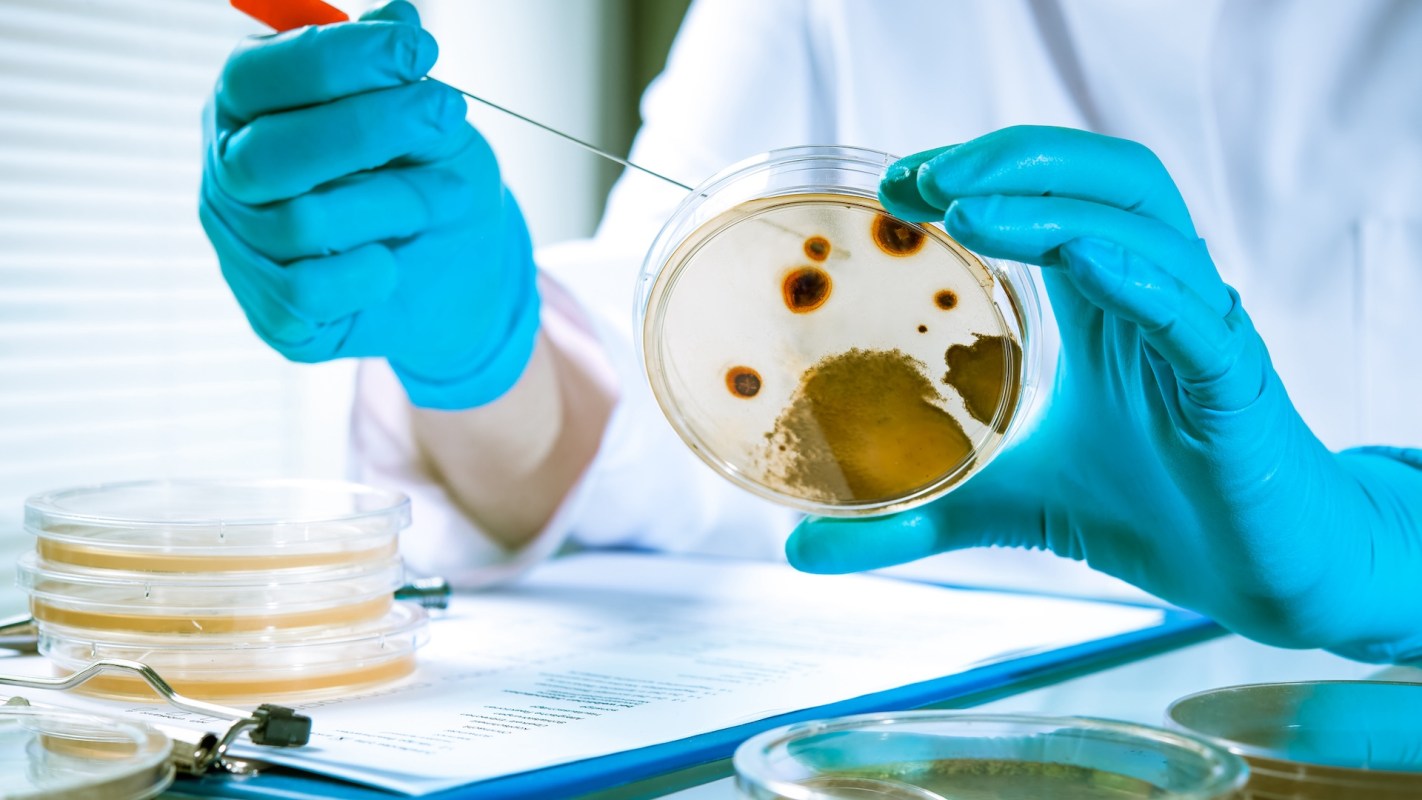
The U.K. is putting £22 million (roughly $29 million) behind non-animal research methods, from organoids and lab-grown tissues to AI systems, as part of an effort to make treatment development more precise and safer.
The strategy could narrow the gap between early laboratory findings and medicines used in practice, which could matter for patients waiting for therapies for major diseases.
Here's what to know
On August 12, science minister Chris McDonald outlined two pieces of the package in a U.K. government statement. Of the funding, £20 million will be allocated to a Cambridge center called the Pre-clinical Translational Models Hub, while up to £2 million will go towards nine projects that avoid animal testing.
One major focus is the use of "organoids" — lab-made tissue systems such as gut, tumor and brain models — produced from cells donated by NHS patients, the government said.
Because these samples keep important biological features intact, researchers may get a better sense of how a drug could behave in people before it reaches clinical trials.
The government said that combination could reduce dependence on animal models while speeding work on conditions including cancer and inflammatory bowel disease.
TCD Picks » Quince Spotlight
💡These best-sellers from Quince deliver affordable, sustainable luxury for all




Government figures show 2.54 million animal-testing procedures were carried out in Great Britain in 2025, 3.8% fewer than in 2024.
"These miniature human tissues retain many of the unique biological characteristics of the individual patient; they allow us to understand disease more accurately and test potential treatments before they ever reach the clinic," University of Cambridge professor Matthias Zilbauer said.
More background
Part of the funding is directed at safety research areas that still rely on dogs and monkeys.
According to the government, the chosen projects range from beating heart cells grown in a dish to lab-built human ear models, as well as AI programs that aim to predict how medicines move through the body.
The rest of the project list includes work on hearing-loss treatments, cardiovascular safety, and how drugs travel through the body.
Finding weak or hazardous candidates earlier could let researchers stop pursuing them sooner and move better prospects ahead faster, which may save time, money and lives.
The U.K. government also noted that life sciences generated about £147 billion in turnover in 2023 and 2024 and employed roughly 360,000 people.
What's being done?
The biggest single element is the new hub in Cambridge, which the government said will connect the MRC Laboratory of Molecular Biology, the Wellcome Sanger Institute and a network of around 60 principal investigators.
Its remit extends beyond building organoid models: the hub is also meant to make those systems easier for universities and drug companies to adopt in their own labs, according to the government.
The government added that the Medicines and Healthcare products Regulatory Agency became the first U.K. regulator in March 2026 to offer early review of non-animal evidence before clinical trials, giving companies a way to check whether those methods would be accepted.

Get TCD's free newsletters for easy tips, smart advice, and a chance to earn $5,000 toward home upgrades. To see more stories like this one, change your Google preferences here.






