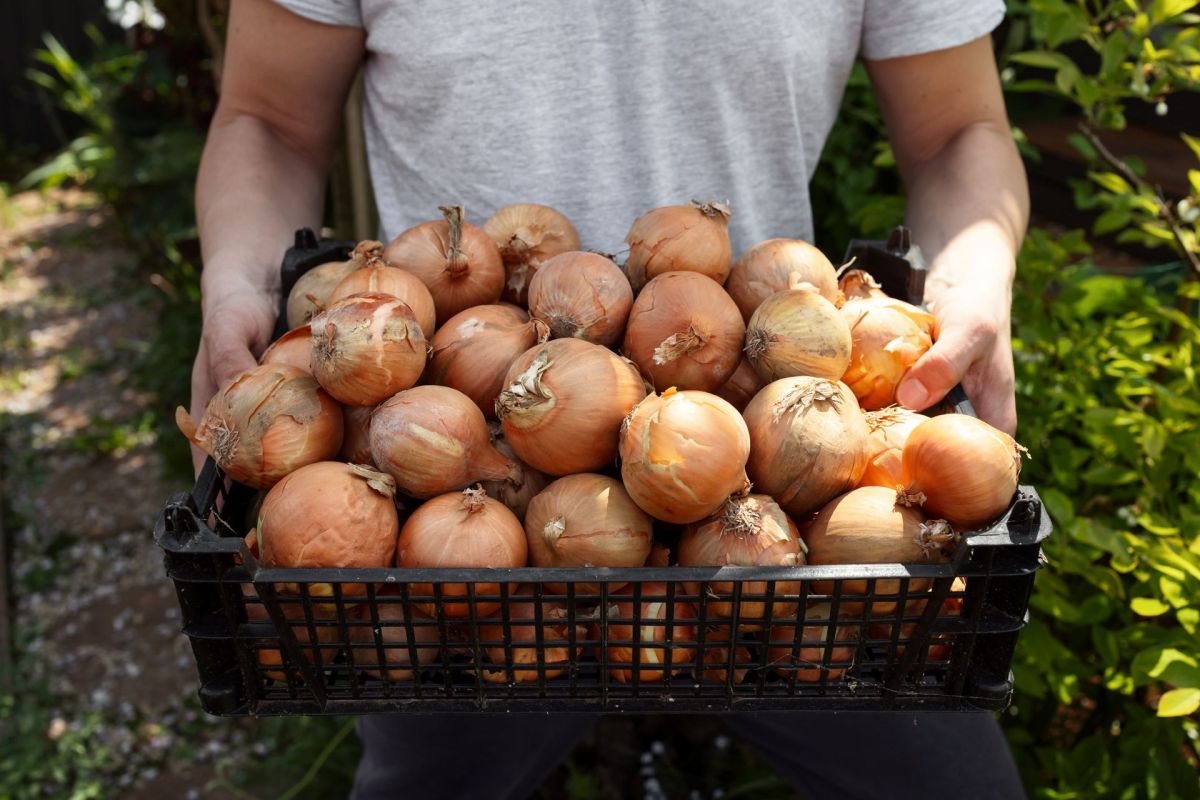
A new genetics study is giving onion lovers an unexpectedly flattering headline.
Lower odds of type 2 diabetes and reduced rates of high blood pressure were associated with a gene variant linked to liking the smell and taste of onions.
The finding ties a highly specific food preference to major health outcomes. However, scientists say it should be seen as an intriguing clue, not a diet prescription.
What happened?
The BMC Medicine paper drew on genetic and dietary data from more than 160,000 people in the United Kingdom.
Among the results highlighted by Vice, a variation in the smell receptor gene OR2T6 was tied to liking onions and also to lower odds of type 2 diabetes and lower rates of high blood pressure.
This still does not mean onions are a miracle cure.
TCD Picks » Quince Spotlight
💡These best-sellers from Quince deliver affordable, sustainable luxury for all




To sort through those links, the international researchers used Mendelian randomization, which examines genetic traits fixed at birth to study associations between food preferences and disease.
Because it does not rely on people to report what they eat, that method may be more stable for diet-and-health research than food surveys, which are often incomplete or inconsistent.
Why does it matter?
Type 2 diabetes and high blood pressure affect millions of people and can raise the risk of heart disease, stroke, kidney problems, and other serious complications.
One unusual genetic link does not change current medical guidance.
People can most reliably lower their risk through well-established steps such as eating a balanced diet, staying active, getting enough sleep, managing stress, and keeping up with routine screenings and doctor visits.
However, the study may help researchers better understand how taste, smell, genetics, and disease are connected, which could improve nutrition science and risk prediction.
The finding remains an early signal that will require much more testing.
What are people saying?
The clearest message from the research team is one of caution.
The study does not overturn the old rule that correlation does not equal causation, even if the genetic method gives the result somewhat more weight.
The researchers also said genetic markers might be "a better indicator of links between food preferences and disease" than self-reported surveys.
Even so, the authors said the finding should not inspire much confidence unless later studies confirm it in "larger, diverse populations."
Onion fans may get a moment in the spotlight, but the science is not yet saying that an onion a day will keep the doctor away.

Get TCD's free newsletters for easy tips, smart advice, and a chance to earn $5,000 toward home upgrades. To see more stories like this one, change your Google preferences here.