


Federal energy-policy rollbacks could produce over 9 billion additional tons of heat-trapping pollution through 2040, according to an analysis by Energy Innovation.
Beyond the increased pollution, the analysis projects higher residential energy expenses and tens of thousands of additional early deaths because of poorer air quality.
Here's what to know
Dave Borlace, the creator behind Just Have a Think (@JustHaveaThink), examined the changes in a long-form YouTube video, citing research from Energy Innovation, Rhodium Group, and Wood Mackenzie.
Borlace asserted that renewable projects face new barriers as clean-energy incentives shrink. At the same time, the administration has also repealed power-plant carbon rules and weakened vehicle standards.
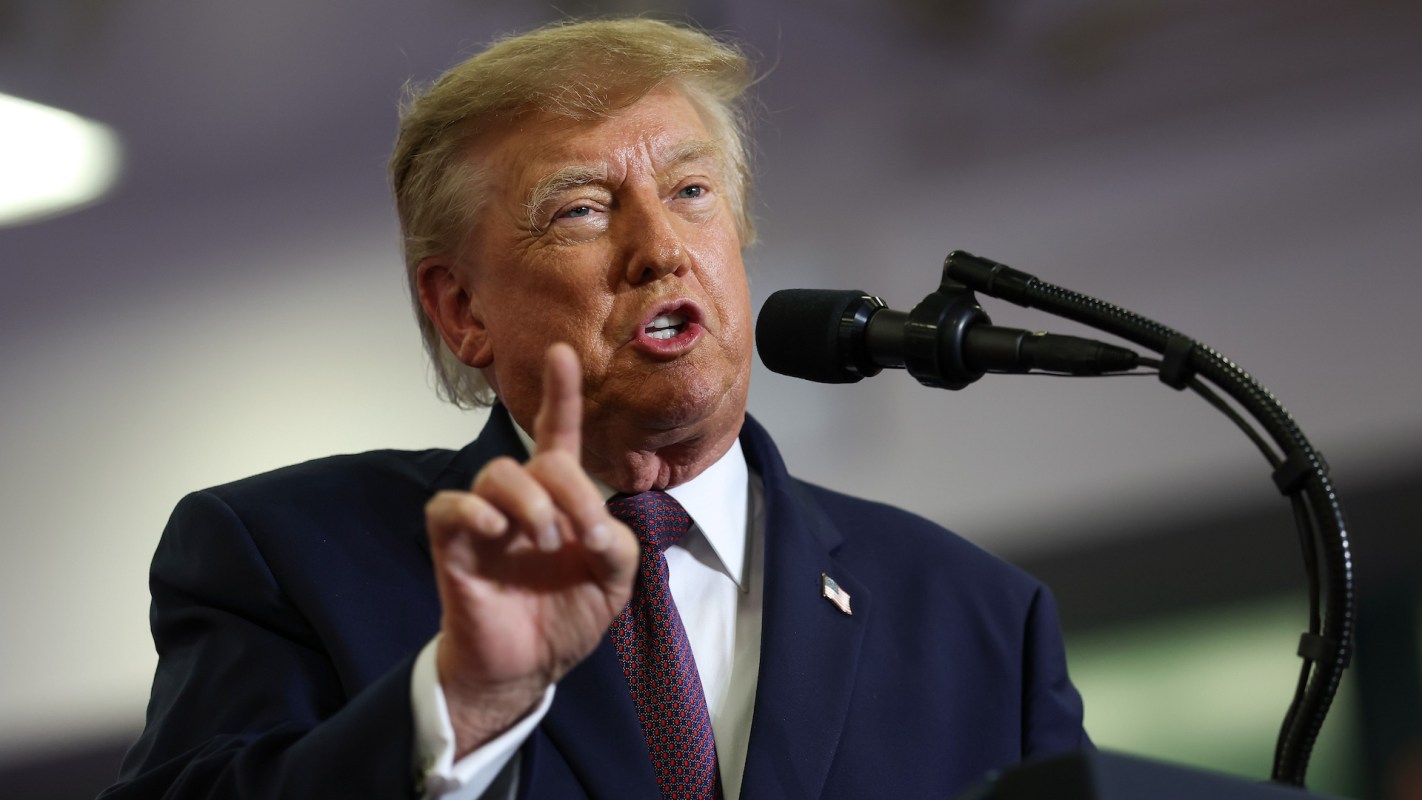
On February 12, 2026, President Donald Trump's administration rescinded the Environmental Protection Agency's endangerment finding, which was established in 2009. Borlace said the finding determined that six greenhouse gases endanger Americans' health and welfare, establishing the legal basis for federal rules governing greenhouse gas emissions from new vehicles.
The administration also eliminated those vehicle standards. According to the Trump administration, ending the rules would reduce Americans' vehicle-related expenses by over $1.3 trillion, though legal challenges could change the outcome.
TCD Picks » Quince Spotlight
💡These best-sellers from Quince deliver affordable, sustainable luxury for all




The administration argues its approach will deliver stronger U.S. industry, a more reliable energy supply, and lower energy and vehicle prices. It disputes Energy Innovation's assessment.
More background
The Department of Transportation lowered its model-year 2031 fleetwide fuel-economy target for cars and light trucks to 34.9 miles per gallon, down from 50.4, as Borlace noted.
The administration's own analysis shows higher lifetime fuel expenses for vehicle owners, despite its claims of upfront savings. The administration says the change could cut roughly $1,300 from a new vehicle's average purchase price.
Reuters, as cited in the video, reported that the resulting increase in nationwide fuel use could reach approximately 4.6% by midcentury.
Wood Mackenzie estimated that heightened federal permitting scrutiny put proposed wind, solar, and battery projects totaling approximately 92 gigawatts in jeopardy, with about $121 billion in associated investment, per Borlace.
With federal support shrinking, proposed infrastructure must still navigate permitting hurdles. Those obstacles do not mean every project will be canceled.
What's being done?
The video noted that the U.S. Climate Alliance, whose membership includes Guam and 23 states accounting for about 55% of Americans, has pledged a collective pollution reduction of 50% to 52% by 2030 compared with 2005, alongside a net-zero goal for 2050.
Meanwhile, Rhodium Group reported that battery deployment at grid scale reached a U.S. record in 2025, while utility-scale solar recorded its second-biggest year. The group expects both technologies to set installation records in 2026 and 2027, partly as developers hurry to finish projects ahead of expiring tax credits.
"The federal government may have changed direction, but the underlying technology and fundamental economics remain essentially just as compelling now as they did before 2025," Borlace assessed.
Still, Rhodium's higher-pollution scenario projects that U.S. pollution reductions could lose momentum in the early 2030s before increasing again.
Commenters on YouTube hoped change could make its way through elections and the political process.
"I sincerely hope that the majority of U.S. citizens see sense and hobble this criminal administration," one wrote.
Where can I learn more?
These federal rollbacks reach across power generation, oil and gas production, and vehicle efficiency. Related developments include changes to pollution limits and fuel-economy standards, along with potential increases in household energy costs.
• The Trump EPA plans to erase climate pollution limits for coal and gas power plants.
• The U.S. EPA has scrapped most Biden-era power-plant climate rules and targets the remaining protections.
• Washington is considering a methane rollback for low-output wells responsible for half of oil-and-gas methane pollution.
• U.S. households could face higher energy costs by 2040 as clean-energy projects get axed.

Get TCD's free newsletters for easy tips, smart advice, and a chance to earn $5,000 toward home upgrades. To see more stories like this one, change your Google preferences here.






