


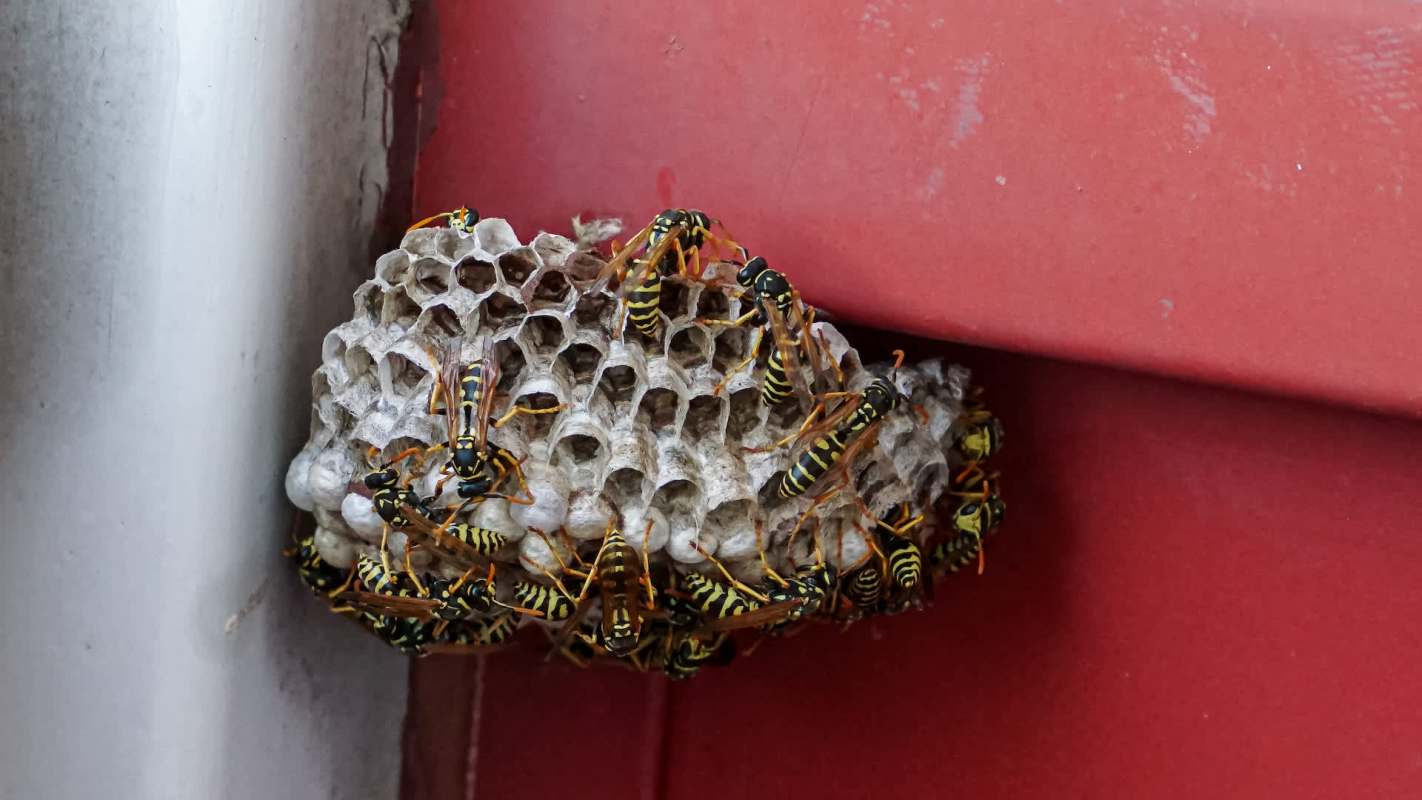
When a queen in a tropical paper wasp colony is lost, the rest do not smoothly install a successor. Instead, the group descends into conflict, shifting ranks and instability.
But amid that chaos, some wasps quietly keep the colony from falling apart.
A new study led by University College London scientists and published in Animal Behaviour examined tropical paper wasps, Polistes canadensis, in the Caribbean.
These colonies usually revolve around one dominant breeding female. The other females in the colony can reproduce too, unlike in some other social insect societies. That means when the queen vanishes, several contenders may try to take over at once.
Researchers found the transition was immediate and dramatic. Females soon fought over status, and the colony's usual hierarchy broke down instead of passing cleanly to a new leader.
At the same time, another group of wasps took on a very different role. Rather than joining the fight, they handled the core duties that kept the colony going, including finding food and tending to the developing young. The researchers called these individuals "compensators."
TCD Picks » Quince Spotlight
💡These best-sellers from Quince deliver affordable, sustainable luxury for all




Wasps are often overlooked or disliked, but they play important roles in ecosystems, including in pollination and pest control.
By identifying these "compensator" wasps, scientists are gaining a clearer picture of how social groups remain functional under stress.
That could help researchers better understand resilience in the natural world, especially as insects face mounting pressures from habitat loss, climate disruption, and other environmental changes. Learning what allows a colony to endure conflict may reveal more about which species can adapt and which may need greater protection.
Wasps may not have the popularity of bees or butterflies, but studies like this show they are far more socially complex and ecologically valuable than many people assume.

Get TCD's free newsletters for easy tips, smart advice, and a chance to earn $5,000 toward home upgrades. To see more stories like this one, change your Google preferences here.






