


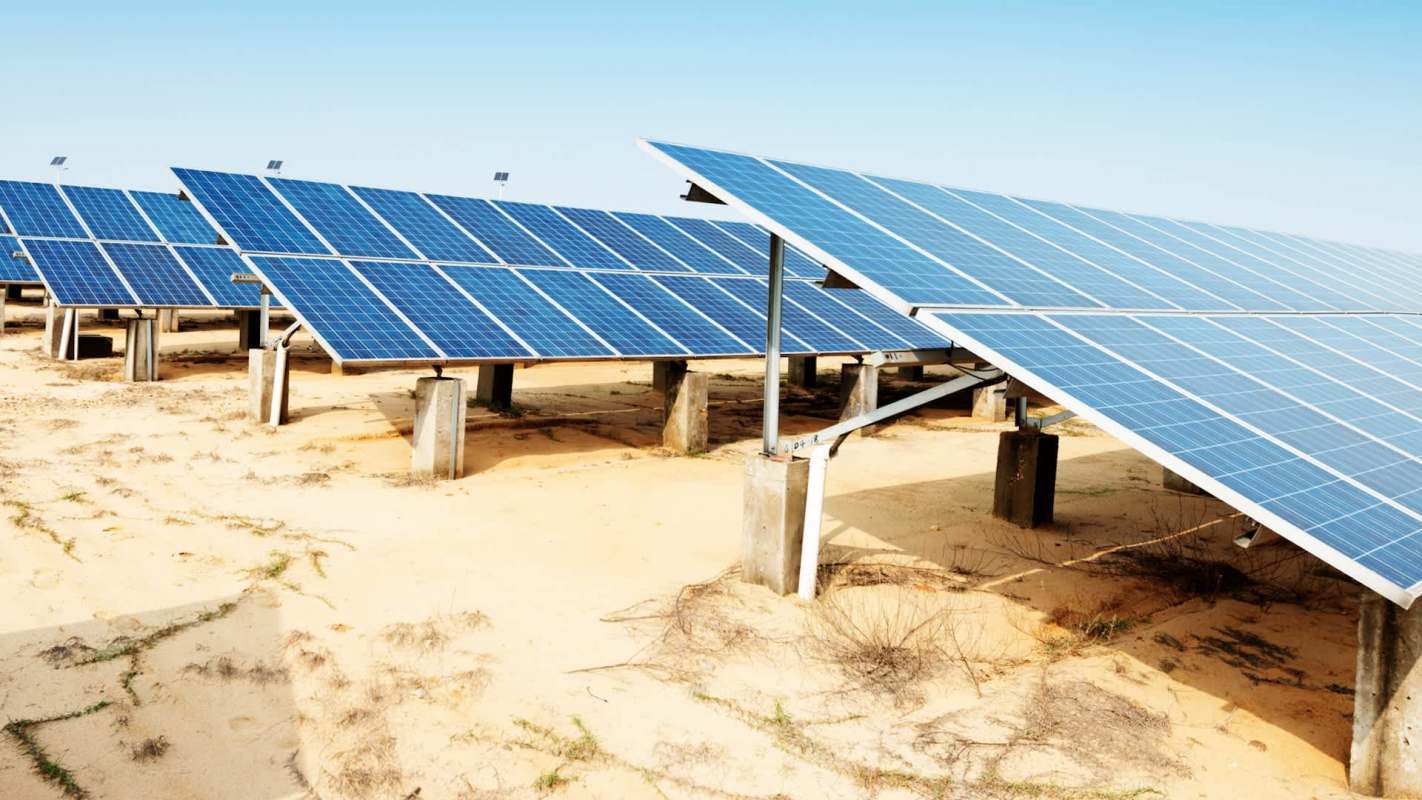
A state administrative ruling in Minnesota has gone against a rural power cooperative that had warned a tribal casino it could lose electricity service because of a sizable solar installation.
The decision may have broader implications for those looking to rely on larger solar setups on their own properties to trim utility costs.
What's happening?
Administrative Law Judge Joseph Meyer said Minnesota Valley Cooperative Light and Power Association may not sever electric service to the Upper Sioux Community's Prairie's Edge Casino Resort because the tribe built a 2.5-megawatt solar project beside the property, the local outlet MPR News reported.
The installation was set up to operate behind the meter, so the power it produces is used on-site rather than exported into the wider grid.
In Meyer's view, the cooperative's own rules do not bar that arrangement. He wrote that cutting service as a penalty "would unlawfully violate [Minnesota Valley Cooperative Light and Power Association's] obligation to provide service."
According to MPR, the conflict dates to 2024, when the tribe installed the array with the goal of covering about 30% of the casino's electric bill.
TCD Picks » Quince Spotlight
💡These best-sellers from Quince deliver affordable, sustainable luxury for all




Later, the co-op warned in a letter that it would disconnect service if the system went live, saying its policy limited member-owned solar to 40 kilowatts.
The tribe then brought the dispute to the Public Utilities Commission in 2025, MPR News reported, and the matter was eventually sent to the Court of Administrative Hearings.
Although Meyer did not invalidate the cooperative's policy itself, he said the utility was applying it more broadly than the policy allows.
Why does it matter?
Across rural Minnesota, many electric cooperatives cap member-owned generation at 40 kilowatts, according to the local news site.
Meyer's ruling says those co-ops cannot stop customers from using larger behind-the-meter projects — or punish them for doing so — when the systems do not export electricity to the grid.
That interpretation may make it easier for households, farms, businesses, and tribal governments to pursue stand-alone solar installations that can cut recurring energy expenses.
When solar displaces electricity generated by fossil fuels, it can also reduce air pollution and the emissions that drive climate change.
The casino is the tribe's primary source of revenue and helps fund housing, health care, schools, and tribal police, MPR reported, meaning lower energy spending could bolster core community services.
What's being done?
According to the local news outlet, Meyer also said that engineers should redo their analysis using the solar project's actual zero-export design.
If the tribe follows that study's recommendations, he concluded that "any disconnection of electric service whatsoever based on the existence or generating capacity of the Project would be unlawful, so long as the Project remains a not-for-export system."
The next step is a final decision from the full Minnesota Public Utilities Commission. Before that happens, the cooperative still has the option to file exceptions with the commission.
The advocacy organization CURE celebrated Meyer's ruling, with the group's legal director Hudson Kingston telling MPR, "This is a very clear, very clear decision that co-ops cannot have policies that limit behind-the-meter solar systems."
Kingston added, "It's going to help drive people's bills down, and it's going to make a better electric grid for all of us."

Get TCD's free newsletters for easy tips, smart advice, and a chance to earn $5,000 toward home upgrades. To see more stories like this one, change your Google preferences here.






