


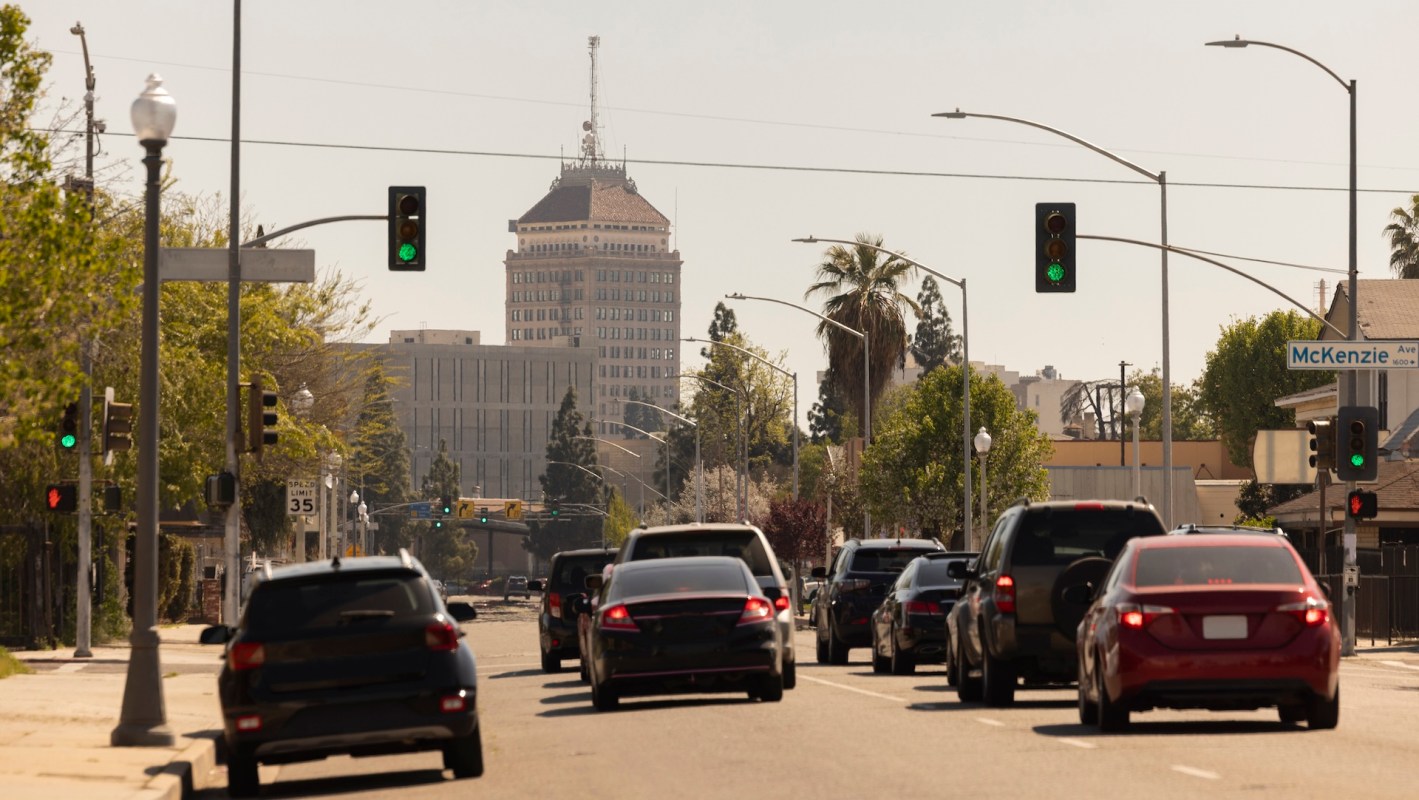
City heat is often blamed on concrete, glass, and air conditioners. But new research points to another overlooked culprit in plain sight on crowded roads: traffic.
According to The Conversation, researchers say waste heat from cars and trucks can make already hot city streets even hotter, and the effect can linger long after rush hour has ended.
A modeling study of Toulouse, France, and Manchester, England, found that vehicle traffic is "a significant source of human-made heat" in cities, author Zhonghua Zheng wrote for The Conversation, particularly on tightly packed streets with weak ventilation.
The model linked traffic to roughly 0.4 degrees Celsius of average annual warming in Toulouse and about 0.25 C in Manchester. The winter effect was larger as well, with traffic associated with average increases of 0.5 C in Toulouse and 0.35 C in Manchester.
Conversations about urban overheating often focus on buildings, reflective roofs, and tree cover — not the heat vehicles release through engines, exhaust, braking, tires, and road friction.
The researchers also found that timing matters. In Toulouse, traffic-related warmth built up through daylight hours and lasted into the night, while evening driving in Manchester added to overnight warming that was strongest around 3 a.m.
TCD Picks » Quince Spotlight
💡These best-sellers from Quince deliver affordable, sustainable luxury for all




Even what seems like a small temperature increase can make a dangerous difference during heat waves. A slight rise can add to discomfort, health risks, and cooling demand.
Hotter overnight temperatures can make it harder for people — especially older adults, children, and people with heart or respiratory conditions — to recover from daytime heat exposure.
As cities prepare for more frequent extreme heat, officials may need to think beyond cooling centers and shade trees and consider how congestion and vehicle types contribute to local warming.
The study also noted that cleaner transportation could help. Standard gasoline and diesel vehicles give off far more excess heat than electric ones, meaning electrification, reduced congestion, and better street design could all help make neighborhoods more livable.
With city heat waves expected to grow stronger over the coming decades, those choices could become increasingly important.
The researchers stressed that the effect should not be dismissed.
"These numbers may sound small, but in urban climate terms they are meaningful," Zheng wrote, noting that minor increases can still amplify heat-related harm.
He added that traffic is "not just a source of pollution and carbon emissions — it can also be part of how we plan cooler, healthier and more resilient cities."

Get TCD's free newsletters for easy tips, smart advice, and a chance to earn $5,000 toward home upgrades. To see more stories like this one, change your Google preferences here.






