


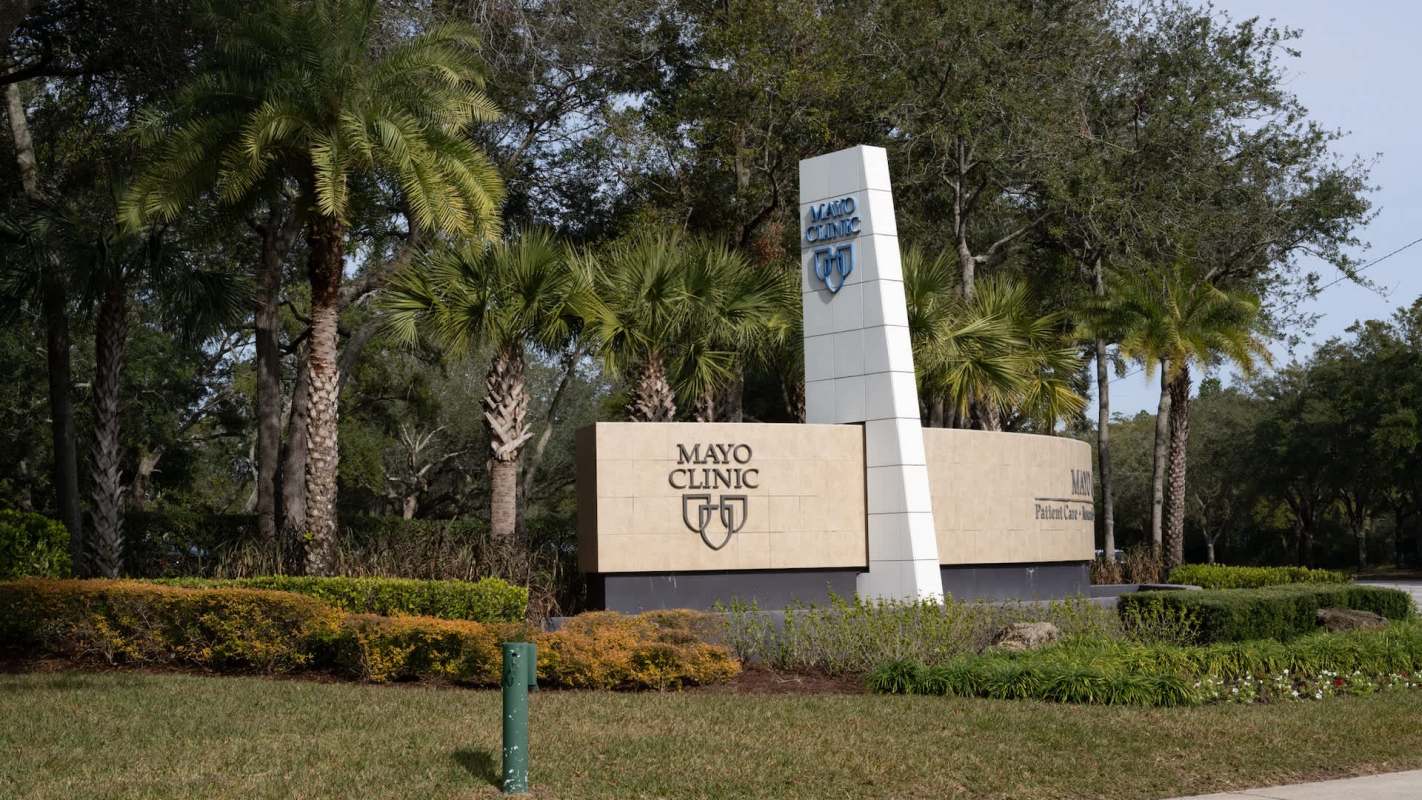
Traci Tamiko Eto, a former Mayo Clinic AI leader, has said the globally recognized hospital system buried serious flaws in a medical tool and then pushed her aside after she raised objections.
One of the lawsuit's most notable allegations is that employees working on an AI assistant knew it could make errors roughly two-thirds of the time.
What happened?
According to Minnesota Public Radio, Eto — a former Mayo Clinic research director and AI compliance lead — has brought a civil lawsuit alleging the hospital retaliated against her when she reported privacy, data security, and regulatory problems tied to its AI work.
Eto arrived at Mayo Clinic in 2023, MPR reported, and soon raised possible privacy concerns involving the Mayo Clinic Platform, an AI-integrated data system. She alleges her supervisor said addressing the issue would "jeopardize the pace on ongoing research projects, which in turn would compromise Mayo's competitive advantage."
In her suit, Eto also challenges work on MAYA, the clinic's AI-integrated digital assistant. She alleges the team overstated the tool's capabilities, removed unfavorable test results, and made choices that endangered data security. MPR also reported that one of her 10 whistleblower complaints said MAYA staff knew the assistant had a 67% error rate.
Her lawsuit says the consequences escalated after she kept reporting those issues. She was excluded from executive meetings in early 2025 and told she was a "poor cultural fit." Eto further alleges she was then told to resign or face personnel-file changes that could harm her future career.
TCD Picks » Quince Spotlight
💡These best-sellers from Quince deliver affordable, sustainable luxury for all




Why does it matter?
Hospitals are rapidly adopting AI for tasks ranging from research and patient communication to note-taking and administrative support. If an AI system is inaccurate, poorly tested, or deployed without proper oversight, the consequences can be serious, especially in health care, where incorrect information can influence care decisions or undermine trust.
If whistleblowers believe they may be punished for reporting safety or privacy concerns, problems can linger longer than they should.
Training and running advanced AI can require large amounts of electricity and water, while misuse, security lapses, and higher infrastructure costs can create privacy risks, social harm, or higher utility bills.
What's being done?
Eto's claims put public pressure on Mayo Clinic and could intensify scrutiny of how health systems test, document, and approve AI tools before they are used in sensitive settings.
Mayo said in a statement, "Our research and clinical innovation are conducted in accordance with applicable laws and regulations and we remain steadfast in upholding the trust patients place in us and respecting their privacy. Mayo Clinic does not comment on pending or active litigation."
Artur Davis, Eto's attorney, told MPR, "When an individual decides that they are willing to file a lawsuit against a public goliath on matters that are hot button issues in our country, she is literally risking her career. … She is risking her reputation, and for her to do that tells you something about her level of confidence that she's right."

Get TCD's free newsletters for easy tips, smart advice, and a chance to earn $5,000 toward home upgrades. To see more stories like this one, change your Google preferences here.






