


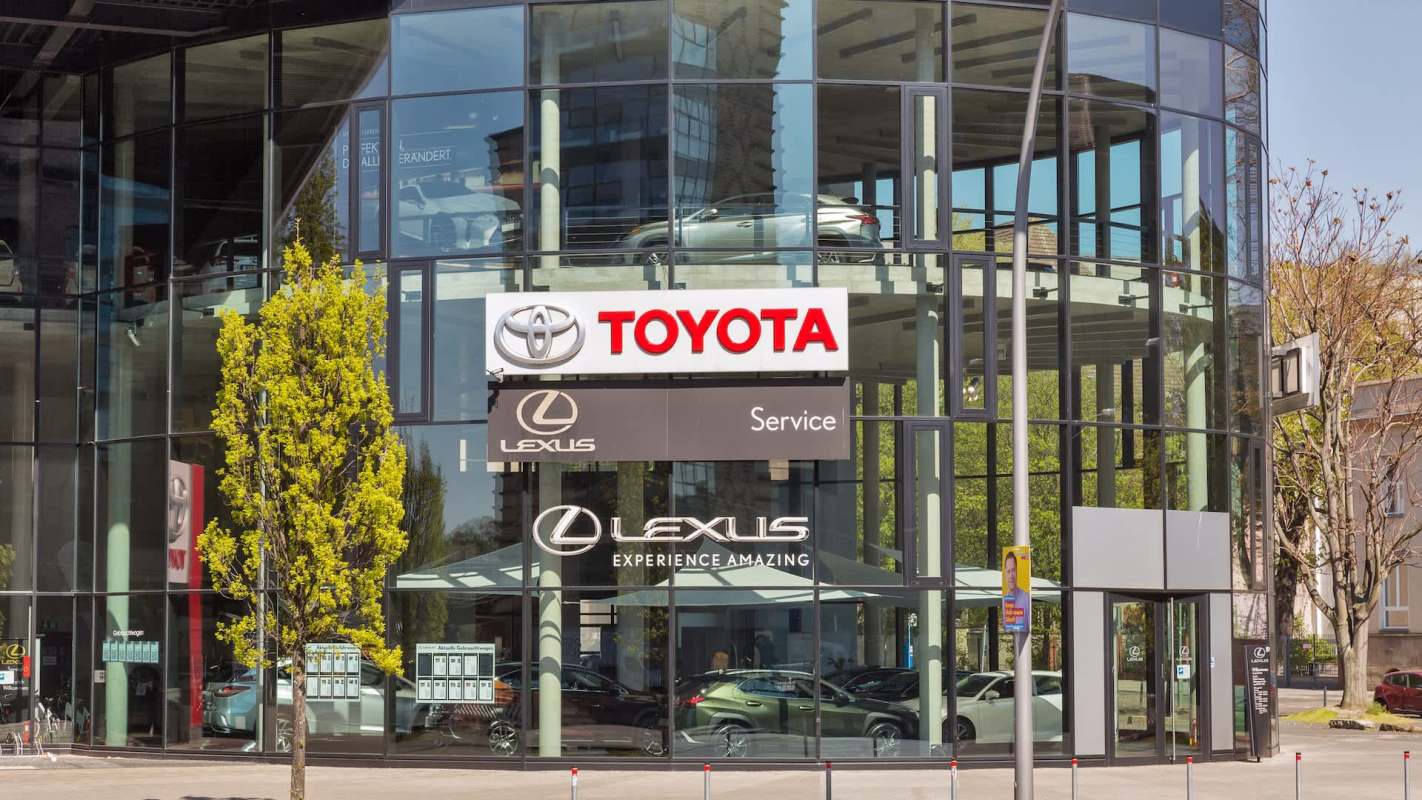
Toyota and Lexus are finally adding a feature many EV drivers have wanted for years: built-in route planning that automatically factors in charging stops.
The update is arriving first on Lexus's fully electric 2026 ES, giving road-trippers a much more seamless navigation experience.
Lexus said its 2026 ES EVs will be the brand's first vehicle to include EV Routing, a native navigation feature that can map out charging stops along the way to a destination. It will also use the vehicle's battery level to make recommendations.
The route planning system is part of the new Lexus Interface multimedia platform and runs on Automotive Grade Linux as well as Toyota's Arene platform. It is designed to support ongoing updates and deliver a faster, more phone-like user experience. These Lexus ES EVs will let drivers set and monitor charging through the Lexus app.
According to Electrek, the new feature is likely to be quite similar to Tesla's Trip Planner. It can provide details about charging sites like addresses, hours, and charger types. Yet, to use these new features, drivers will need active subscriptions or trials to Drive Connect.
The 2026 Lexus ES EV will be available in two grades and two trims. These include an all-wheel-drive model and a front-wheel-drive model, each with Luxury or Premium trims. The least expensive among these four options, the ES 350e Premium will start at $48,795. The most expensive will be the ES 500e Luxury AWD, with a starting price of $60,195, per Electrek.
TCD Picks » Quince Spotlight
💡These best-sellers from Quince deliver affordable, sustainable luxury for all




For many drivers, planning a longer EV trip is one of the biggest pain points of switching away from gas-powered cars. Built-in route planning can remove much of that stress by automatically identifying practical charging stops instead of forcing drivers to juggle multiple apps or guess how far they can go.
That convenience matters because EVs already offer strong everyday savings. Drivers typically spend far less on fuel by charging instead of buying gas. Electric vehicles also tend to require less routine maintenance because they have fewer moving parts and no oil changes.
Features like EV Routing can also help reduce range anxiety, making EVs feel more approachable for first-time buyers. And as Electrek noted, the 2026 ES also has a NACS port that allows for use at Tesla Superchargers and can charge from 10% to 80% in about half an hour.

Get TCD's free newsletters for easy tips, smart advice, and a chance to earn $5,000 toward home upgrades. To see more stories like this one, change your Google preferences here.






