


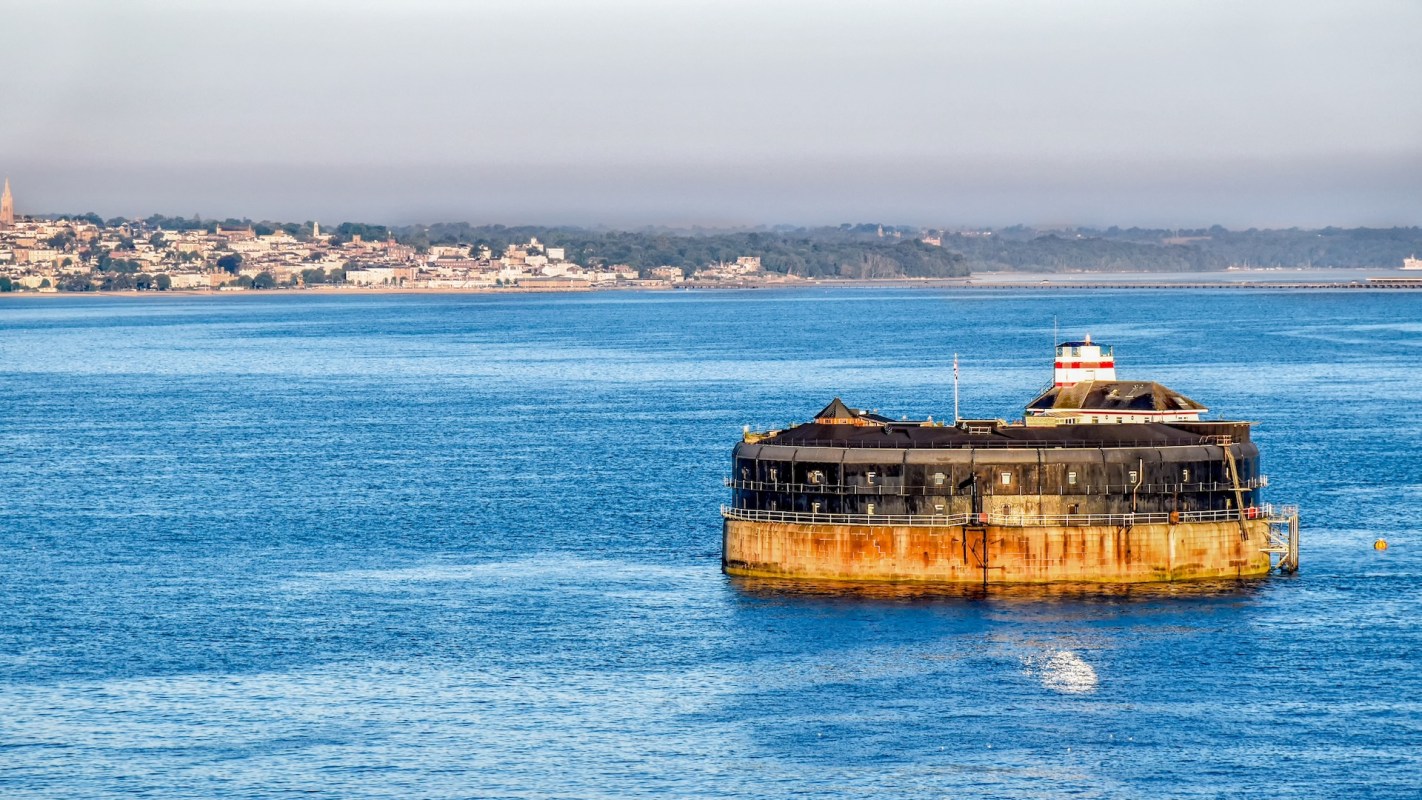
Scientists have found toxic "forever chemicals" in the Solent at levels up to 13 times above the safe threshold for coastal waters, raising fresh concerns about how sewage-linked pollution is affecting people, wildlife, and protected ecosystems.
The findings also suggest the problem may be far bigger than one busy stretch of water on England's south coast.
A new study found high levels of PFAS — short for per- and polyfluoroalkyl substances — in soil, water, and marine wildlife across the Solent strait between the Isle of Wight and England's mainland, according to the Guardian.
Researchers examined government records, water utility testing, and samples they collected from 12 species of fish, seaweed, and invertebrates. In some areas, PFAS levels were 13 times higher than the safety threshold for coastal waters. Other samples were below legal limits for single chemicals yet failed a newer test for combined toxicity.
The team said one apparent source is treated wastewater from Southern Water plants serving Portsmouth and Fareham. They also mapped 194 combined sewer overflow outfalls and more than 500 nearby historic landfills that could be contributing to the pollution, along with nearby military sites.
According to the Guardian, some marine wildlife samples exceeded legal safety limits for PFAS, including in harbor porpoise livers. Researchers also found contamination at protected environmental sites.
TCD Picks » Quince Spotlight
💡These best-sellers from Quince deliver affordable, sustainable luxury for all




PFAS are used in products such as nonstick cookware, food packaging, and waterproof clothing. They are often called "forever chemicals" because they persist and can build up in the environment and in living things over time.
The Solent is a working and recreational waterway tied to fishing, tourism, boating, and local identity. When contamination moves through the marine food chain and into protected habitats, it threatens the natural systems that coastal communities rely on.
Perhaps most concerning, one of the study's authors said the pattern likely extends far beyond the Solent. If that's true, communities across the U.K. may be dealing with similar contamination without knowing it.
The researchers said the results show why PFAS need to be monitored as mixtures, not just as single substances. They also urged a blanket PFAS ban as part of the government's water reform agenda.
That distinction matters because even where sewage is treated, PFAS can still pass through and enter rivers and coastal waters. Infrastructure upgrades alone may not be enough if the chemicals keep entering the waste stream from consumer and industrial products.
Personal action can help reduce exposure, even if it won't solve the broader issue. Choosing PFAS-free cookware, clothing, and food packaging where possible can lower demand for these chemicals. Supporting stronger water protections and staying informed about local water quality can also help communities push for better oversight.
The bigger fix, though, is systemic: better chemical rules, stronger source controls, and clearer accountability for pollution that damages shared natural spaces.
"If there was an oil spill in the Solent, that industry would have to pay for the restoration of those habitats, but that doesn't happen with sewage," said Professor Alex Ford, a biologist at the University of Portsmouth. "I don't think our story is specific to the Solent. I think we would see a pattern all around the U.K."

Get TCD's free newsletters for easy tips, smart advice, and a chance to earn $5,000 toward home upgrades. To see more stories like this one, change your Google preferences here.






