


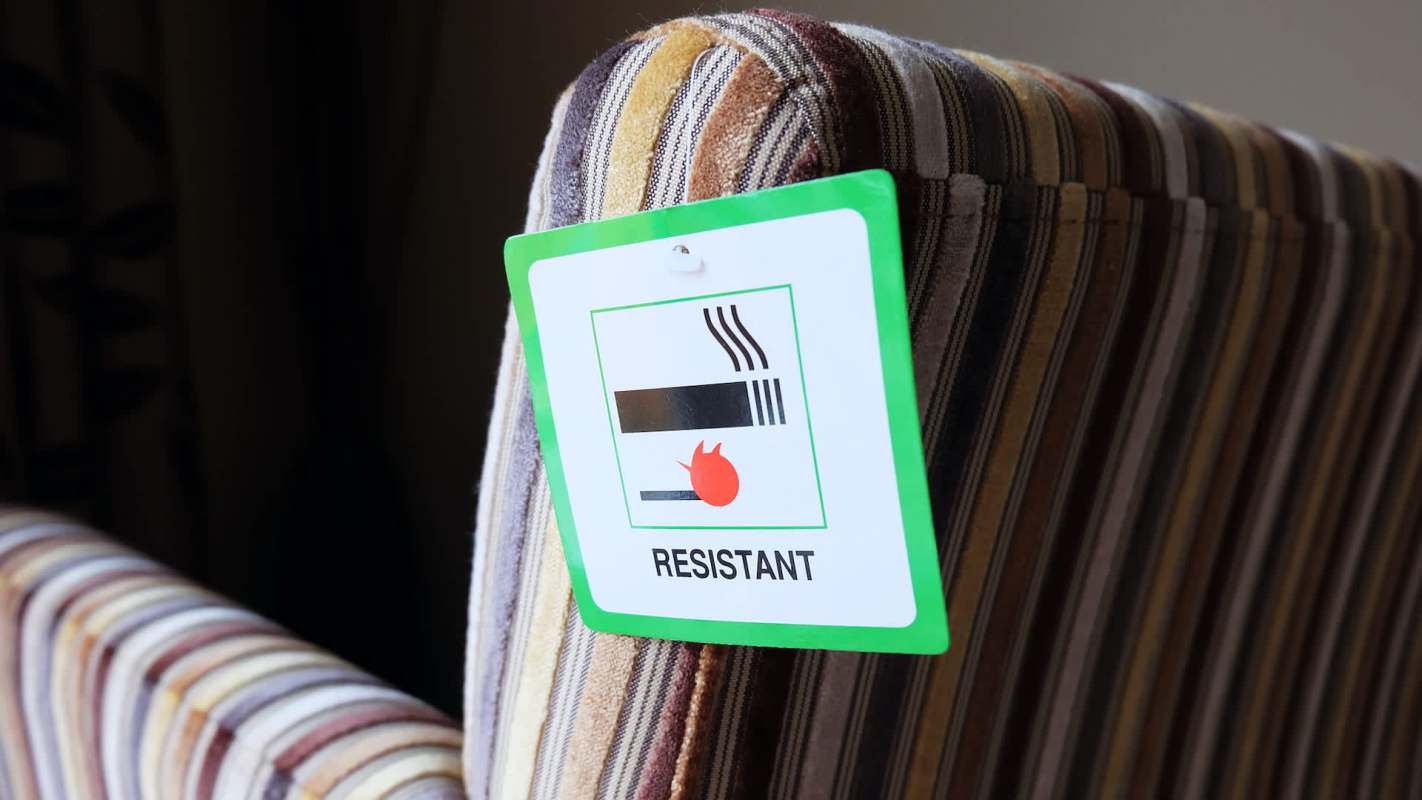
Flame-retardant chemicals banned across Europe and the United States are still showing up in soils, sediments, indoor spaces, and food webs across Europe.
The new review indicates that the chemicals did not simply vanish after regulators acted, and that houses and everyday products may still be serving as ongoing sources.
Here's what to know
According to ScienceAlert, a systematic review in Environmental Research examined 181 peer-reviewed studies of PBDE contamination in Europe and found detections in settings ranging from offices in Spain to snowy alpine areas in Slovakia.
By the 1990s, scientists were increasingly alarmed that PBDEs could build up in both the environment and human bodies. Before those concerns took hold, the compounds — polybrominated diphenyl ethers — had been widely used as flame retardants in building materials, electronics, cars, planes, furniture, textiles, and foam cushioning.
Those concerns eventually fed into regulatory action. The European Union began banning PBDEs in 2004 after evidence mounted about their persistence and after studies associated exposure with liver, thyroid, and breast cancers as well as possible reproductive health effects.
Among the warning signs were a Swedish study that found PBDEs in breast milk and documented a rapid rise from 1972 to 1997, along with a 2002 U.S. study that reported even higher levels of contamination.
TCD Picks » Quince Spotlight
💡These best-sellers from Quince deliver affordable, sustainable luxury for all




Indoor measurements were far higher than outdoor measurements, and the strongest contamination was associated with urban areas, factories, and landfills.
More background
Rather than staying confined to one place, PBDEs can circulate through dust, wastewater, sewage sludge, soils, and aquatic food webs, creating multiple ways for people to encounter them over time.
Scientists are especially concerned about the kind of routine, low-level exposure that happens indoors. Older couches, foam cushioning, electronics, and renovation materials can all contribute to that lingering contamination.
The review also found that various PBDE compounds tend to concentrate in different environments. BDE-209 was most common in sediment and wastewater-sludge samples, while BDE-47 and BDE-99 were more strongly detected in soil and air.
Multiple studies included in the review suggest that PBDE concentrations in soil and air are declining, likely due to the bans. Still, a 2024 U.S. study detected PBDEs in fish.
What's being done?
The review suggests that bans in Europe and the U.S. have produced measurable improvements in some aspects of the environment, even though regulation remains the primary response.
Scientists say, however, that banning a chemical does not remove what is already embedded in older goods and waste streams. PBDEs can still be released from old furniture and electronics, landfills and human sewage, recycled materials, and places such as former textile factories, fire-affected land, and scrapyards long after production ends.
Lead author Khaled Abass, an environmental toxicologist at the University of Sharjah in the United Arab Emirates, warned that the problem may become even more complicated as more economies adopt reuse and recycling.
"PBDEs move across connected systems: from products to dust, from dust to wastewater, from wastewater to sludge, from sludge to soils, and from sediments to aquatic food webs," Abass said. "[...] Circularity without chemical safety can unintentionally recirculate legacy pollutants."

Get TCD's free newsletters for easy tips, smart advice, and a chance to earn $5,000 toward home upgrades. To see more stories like this one, change your Google preferences here.






