


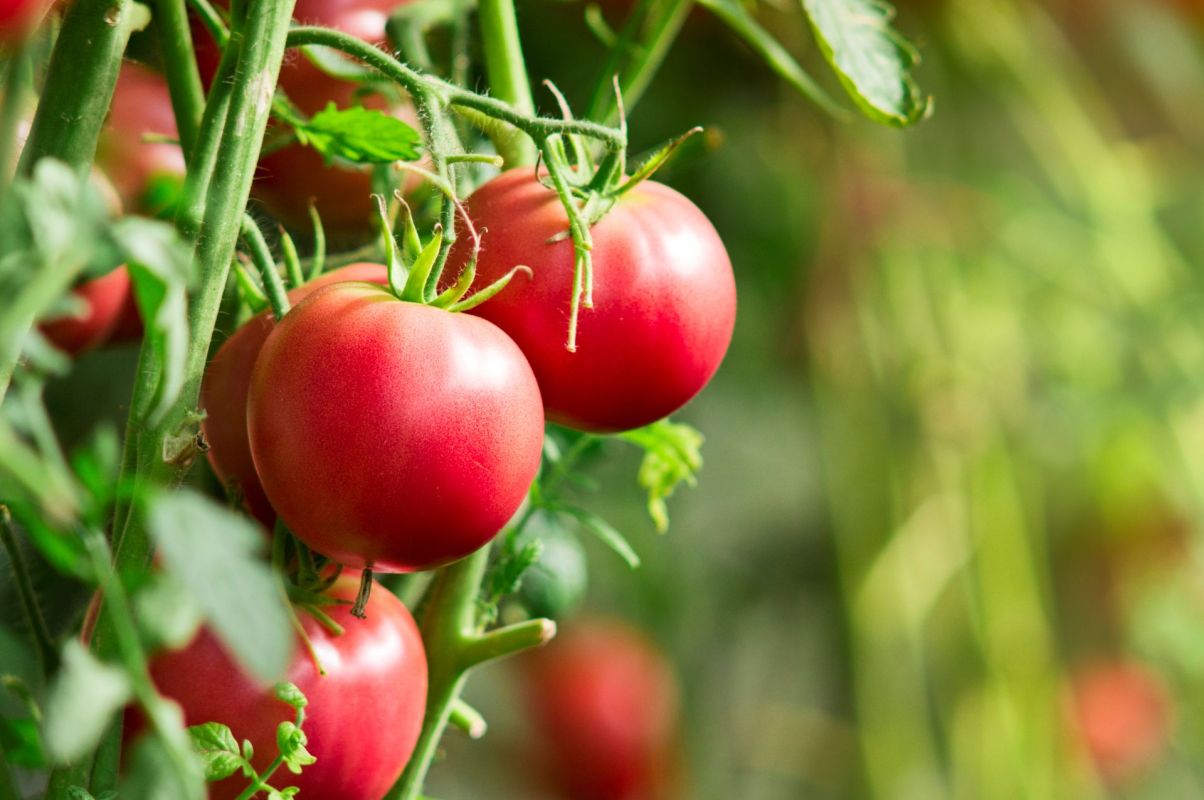
Tomato plants are famously sensitive to salt, and that is becoming a bigger problem as irrigation, drought, and rising seas leave more farmland with saline soil.
Researchers say a simple spray containing nanoparticles may help tomato plants continue growing under those harsher conditions — a development that could one day help protect harvests and grocery budgets, Anthropocene Magazine reported.
What's happening?
According to researchers at the University of Texas at El Paso, they were able to increase plant weight, photosynthetic capabilities, and crop resilience using a mixture of manganese oxide nanoparticles and chitosan. The research was published in the International Journal of Phytoremediation.
To test the spray, the team used two sets of tomato plants — each with medium salt stress and high salt stress in the soil — with one batch left untreated.
In the batch of tomatoes that was sprayed, they found that the weight of the roots increased by 55%. According to the research, photosynthesizing pigments increased between 25% and 91%. The plants also showed fewer signs of cellular damage, and there was an increase in key antioxidants in the plant tissues.
Hamidreza Sharifan, an assistant professor of environmental chemistry at Florida Atlantic University and the study's lead author, explained the mixture, saying, "The manganese nanoparticles help activate the plant's own antioxidant enzymes, which neutralize oxidative damage. Chitosan acts more like a protective coating, it helps the plant hold onto water, stabilizes cell membranes, and supports the plant's internal salt-water balance. Together, they work synergistically better than either one alone."
TCD Picks » Quince Spotlight
💡These best-sellers from Quince deliver affordable, sustainable luxury for all




Why does it matter?
Excess salt can interfere with a plant's ability to absorb water and nutrients, stunting growth and reducing yields.
Soil salinity is becoming an increasingly costly challenge for farmers. It can build up after years of irrigation, particularly in dry regions, and in some coastal areas it is worsening as saltwater moves farther inland.
Tomatoes are a staple in many kitchens, appearing in everything from pasta sauce to salads to sandwiches. When crops struggle, consumers can feel the effects through higher prices, inconsistent quality, and tighter supplies.
A treatment that helps crops withstand salty soil could make food systems more reliable without forcing farmers to give up land that is becoming harder to manage. It could also help reduce losses in regions already dealing with water stress and unpredictable weather.
If farmers are able to grow more food on existing farmland, that can reduce pressure to clear additional land elsewhere.
And because tomatoes play such a central role in many plant-forward meals, more resilient harvests could make it easier for households to rely on affordable produce; if you're exploring that shift, check out these tips for plant-based food options.
What's being done?
Researchers are looking for practical ways to help crops adapt to worsening conditions rather than simply absorb the losses.
More climate-smart farming tools are in development, and they could help stabilize the foods people depend on every day.
For growers, innovations like this may eventually offer another option for protecting yields as soil conditions continue to change.
According to Sharifan, "It points to a practical, affordable tool that could help farmers keep growing food on land that's becoming too salty to farm, which is a fast-growing problem worldwide."
"[Tomatoes are] known to be fairly salt-sensitive. If it works well in tomatoes, that's a strong signal it could be adapted to other salt-sensitive crops," he added.

Get TCD's free newsletters for easy tips, smart advice, and a chance to earn $5,000 toward home upgrades. To see more stories like this one, change your Google preferences here.






