


A letter about testing her well water forced Michelle Reffelt to revisit the loss of her first husband to cancer, WPRI reported.
After tests showed PFAS levels in the well at her Tiverton, Rhode Island, home were far above state guidelines, Reffelt began to wonder whether the chemicals had anything to do with the loss that devastated her family.
What happened?
Severe abdominal pain led to a cancer diagnosis for Bob Ferzan in 2007, and he died within a year. Reffelt said she had long struggled to understand how it happened.
"He was a very healthy person," Reffelt said to WPRI. "He didn't drink, he didn't smoke. He did all the right things — he went and worked out at the gym."
The family's focus shifted last spring when the Rhode Island Department of Environmental Management asked to test their well water. The concern was PFAS, which are also known as "forever chemicals." Companies use them sometimes to manufacture products like food packaging and nonstick cookware.
The agency said the contamination was tied to firefighting foam previously used at the nearby Crandall Road fire station.
TCD Picks » Quince Spotlight
💡These best-sellers from Quince deliver affordable, sustainable luxury for all




"They told me, 'The PFAS in your water need to be below 20, according to state guidelines.' Our levels were at 108," Reffelt said to WPRI.
While it isn't certain that the chemicals caused Ferzan's cancer, the finding has changed how Reffelt thinks about his death.
"If it was PFAS-connected, then I have some answers," she said.
Why is this concerning?
PFAS get their "forever chemicals" name from the fact that they break down incredibly slowly. They have been linked to certain health conditions, including cancer.
State officials told the Reffelts to stop using their well water right away, leaving them dependent on bottled water.
"We buy four to six gallons of water a week," Reffelt estimated to WPRI. "You don't realize how much water you go through."
While researchers need to look more into how plastic affects people's health, it doesn't look like it helps. Drinking from plastic water bottles is safe to do, but it's important to avoid drinking from water bottles that have been heated up. Heat can cause microplastics to enter the water.
What's being done?
When talking about her town's response, Reffelt said, "We haven't heard a peep."
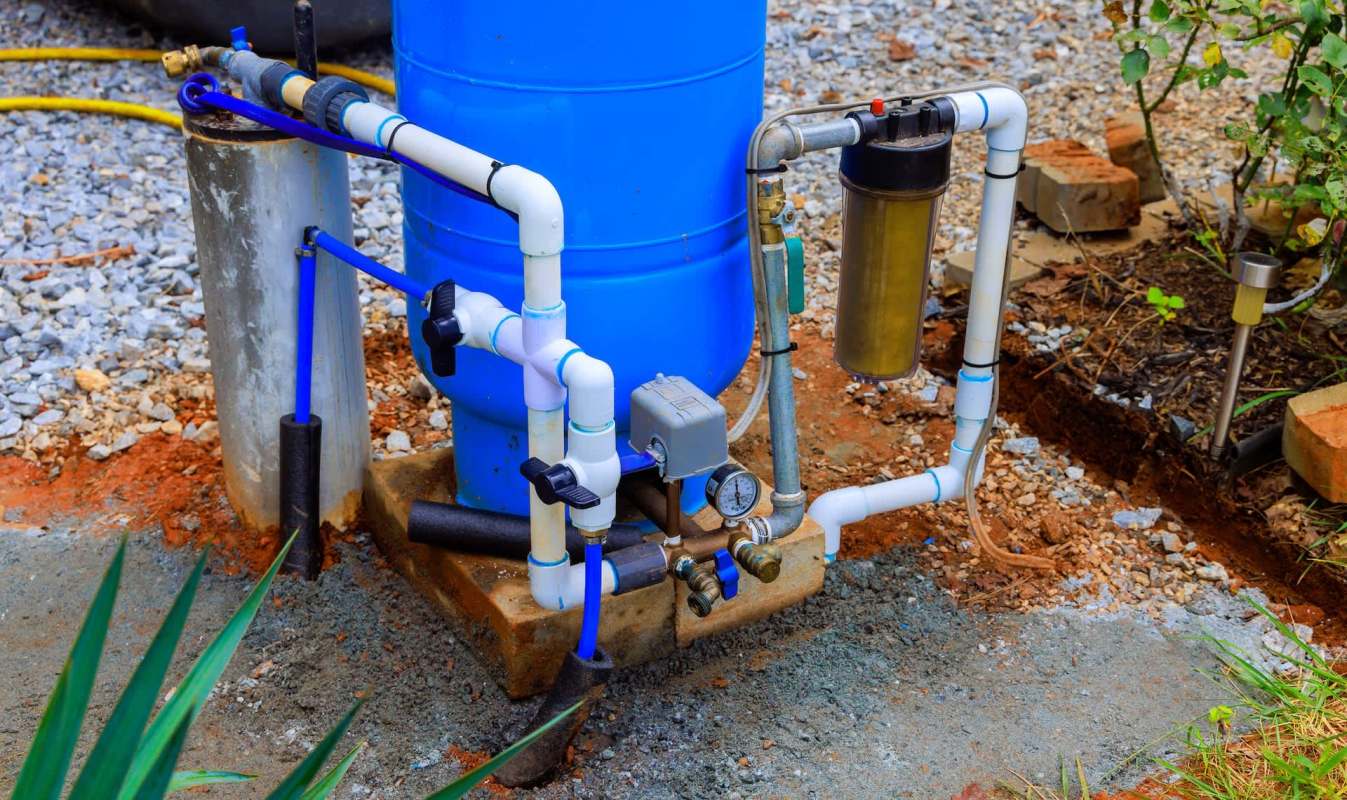
To address the problem, the Rhode Island Department of Environmental Management told the family it would install a filtration system to remove PFAS from the well water.
Responsibility for notifying residents has also become a point of dispute between town and state officials.
According to WPRI, a DEM spokesperson said it was the town's job. But Tiverton Town Administrator Patrick Jones said the state informed residents before town officials were fully briefed.
Jones said, "We know the problem now, and I want to move forward to correct this problem with all of the stakeholders so we can get this done."
WPRI reported that Tiverton is now providing clean water for affected residents at the Crandall Road fire station. In the meantime, the DEM is working with a private contractor to install treatment systems at homes within half a mile of the station.

Get TCD's free newsletters for easy tips, smart advice, and a chance to earn $5,000 toward home upgrades. To see more stories like this one, change your Google preferences here.






