


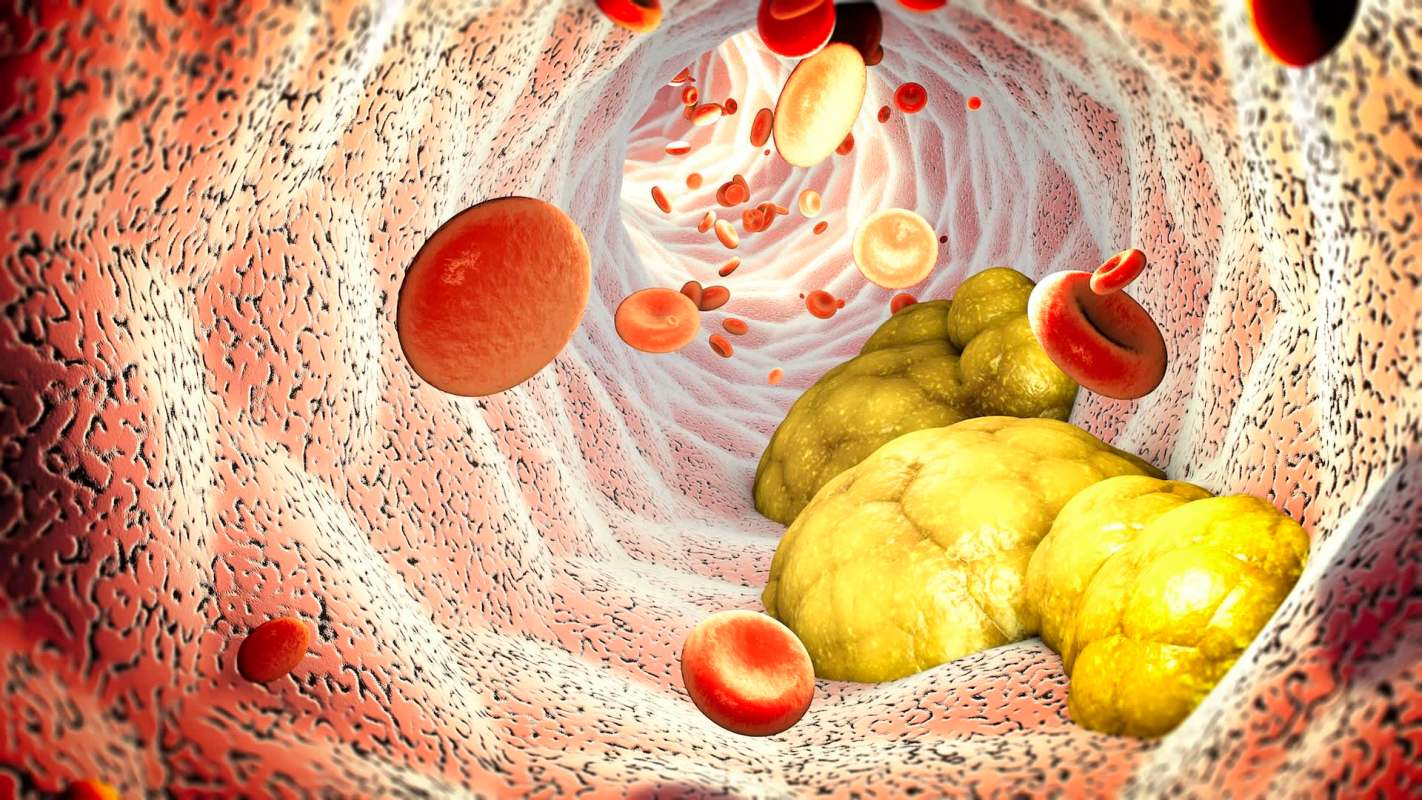
A procedure reserved for difficult-to-manage cholesterol disorders may be removing more than lipid particles from the bloodstream.
Early evidence suggests that the treatment can also reduce levels of some so-called "forever chemicals" and microplastics.
What happened?
A German research team studied patients receiving therapeutic apheresis after medication failed to bring dangerous blood-fat levels down enough. In this treatment, blood is routed through an external system that filters out selected substances before the cleaned blood is returned to the patient.
PFAS — short for per- and polyfluoroalkyl substances — were among the pollutants the scientists tracked. As described in ScienceAlert, researchers compared samples taken immediately before and after treatment and found reductions in some of these chemicals, which are used in products such as nonstick coatings, waterproof fabrics, and certain food packaging, and can remain in the body for years.
Results differed by testing method. In one round of analysis involving 14 patients undergoing double filtration plasmapheresis, four common PFAS fell by up to 25% after a session. A second lab, using a different technique on samples from four patients, recorded average drops of 43.5% to 75.8% across five PFAS.
"What we consider the most important finding of our study is that therapeutic apheresis, a procedure originally developed to remove lipoproteins from the blood of patients with severe cardiovascular disease, also reduced circulating levels of PFAS and microplastics," Charlotte Steenblock, a molecular endocrinologist at the Dresden University of Technology, told ScienceAlert.
TCD Picks » Quince Spotlight
💡These best-sellers from Quince deliver affordable, sustainable luxury for all




"This was unexpected, as PFAS and microplastics are chemically distinct from lipoproteins and were not the intended targets of the treatment," she said.
Why does it matter?
PFAS exposure has become a major public health concern because these compounds have been linked to higher cholesterol, immune and hormone disruption, and some cancers, depending on the type and level of exposure. People can encounter them through drinking water, food, household dust, and everyday consumer goods.
If a treatment already used in specialist care can also lower certain pollutants circulating in the blood, it could help scientists better understand what these chemicals bind to and how they might be removed.
Therapeutic apheresis is an intensive medical procedure used for specific conditions, not a general detox tool, and the study did not show whether the reductions lasted or led to better health outcomes.
TCD Picks » Quince Spotlight
💡These best-sellers from Quince deliver affordable, sustainable luxury for all
The microplastic findings were also mixed. Some plastics, including polyethylene, declined in the small sample of patients, but others did not. In some cases, measured levels even rose after treatment.
What's being done?
Researchers say larger controlled studies are needed before apheresis could be considered as a way to reduce pollutant exposure. Standardized testing will also be important, since microplastic measurements can be influenced by environmental contamination and even by the plastic tubing and bags used during treatment.
Blood testing reflects only what is in circulation at that moment, not what may already be lodged in tissues such as the brain, liver, or kidneys. Scientists are still working to map the real-world risks and determine what, if anything, can reliably lower them.

Get TCD's free newsletters for easy tips, smart advice, and a chance to earn $5,000 toward home upgrades. To see more stories like this one, change your Google preferences here.







