


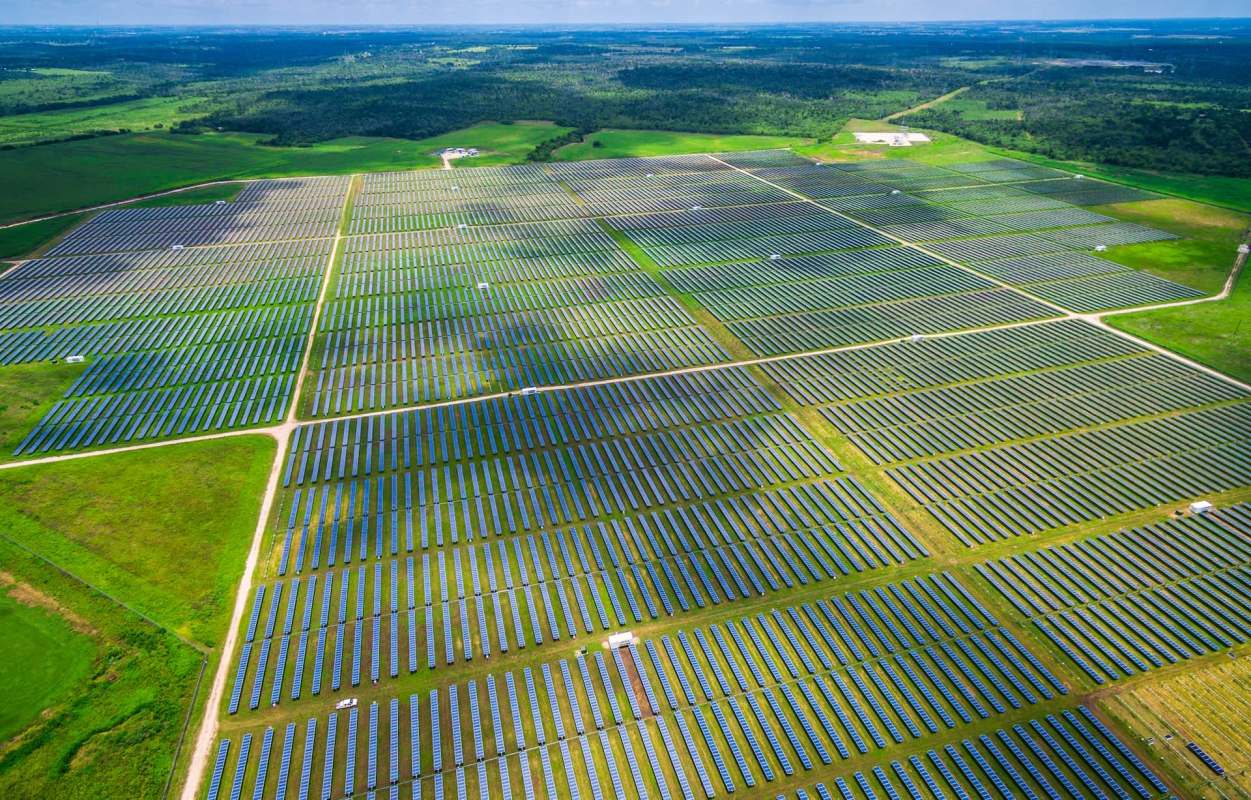
Record-breaking demand on July 21 and July 22 put Texas' electric grid under pressure, but the state avoided the kind of devastating failure that had made the system seem so fragile after the February 2021 blackouts.
During the brutal heat, expanded solar generation and battery storage played a major role in keeping power on for millions of Texans, Futurism reported, citing the Texas Tribune.
What happened?
Even as extreme temperatures drove air-conditioning use higher statewide and pushed electricity demand to new records on July 21 and July 22, ERCOT — the Electric Reliability Council of Texas — still had about 20,000 megawatts of spare capacity.
That reserve drew attention because Texas' grid operator has remained under heavy scrutiny since the 2021 winter breakdown, which cut power to more than 4.5 million people and was linked to hundreds of deaths.
Solar was a central reason the grid stayed stable in July.
At some points it provided more than 45% of Texas' electricity generation, and the Texas Tribune reported new records for both solar output and power discharged from batteries.
Why is it important?
Reliable electricity during triple-digit heat can help protect families from dangerous indoor temperatures, spoiled food, costly disruptions, and the health threats that come with prolonged outages.
With Dallas reaching a reported heat index of 116 degrees Fahrenheit on July 22, the grid still had enough flexibility to manage intense air-conditioning use.
Save $10,000 on solar panels without even sharing your phone number Want to go solar but not sure who to trust? EnergySage has your back with free and transparent quotes from fully vetted providers that can help you save as much as $10k on installation. To get started, just answer a few questions about your home — no phone number required. Within a day or two, EnergySage will email you the best local options for your needs, and their expert advisers can help you compare quotes and pick a winner. |

That performance suggested renewable energy can quickly strengthen an aging system when demand jumps.
As hotter summers drive up electricity use in more communities, solar power and battery storage can help utilities prevent blackouts while reducing reliance on costly new fossil fuel generation.
More solar on the grid can help stabilize energy supplies and, over time, significantly ease some of the cost pressures associated with fuel price swings and emergency power shortages.
What's being done?
Texas is continuing to add generation.
More From EnergySage
💡Go deep on the latest news and trends shaping the residential solar landscape


ERCOT reportedly has about 460 gigawatts of new capacity queued for development, according to the Texas Tribune, with roughly 70% tied to solar.
Even so, demand is expected to keep rising, particularly as large, energy-intensive facilities such as data centers compete for space on the grid.
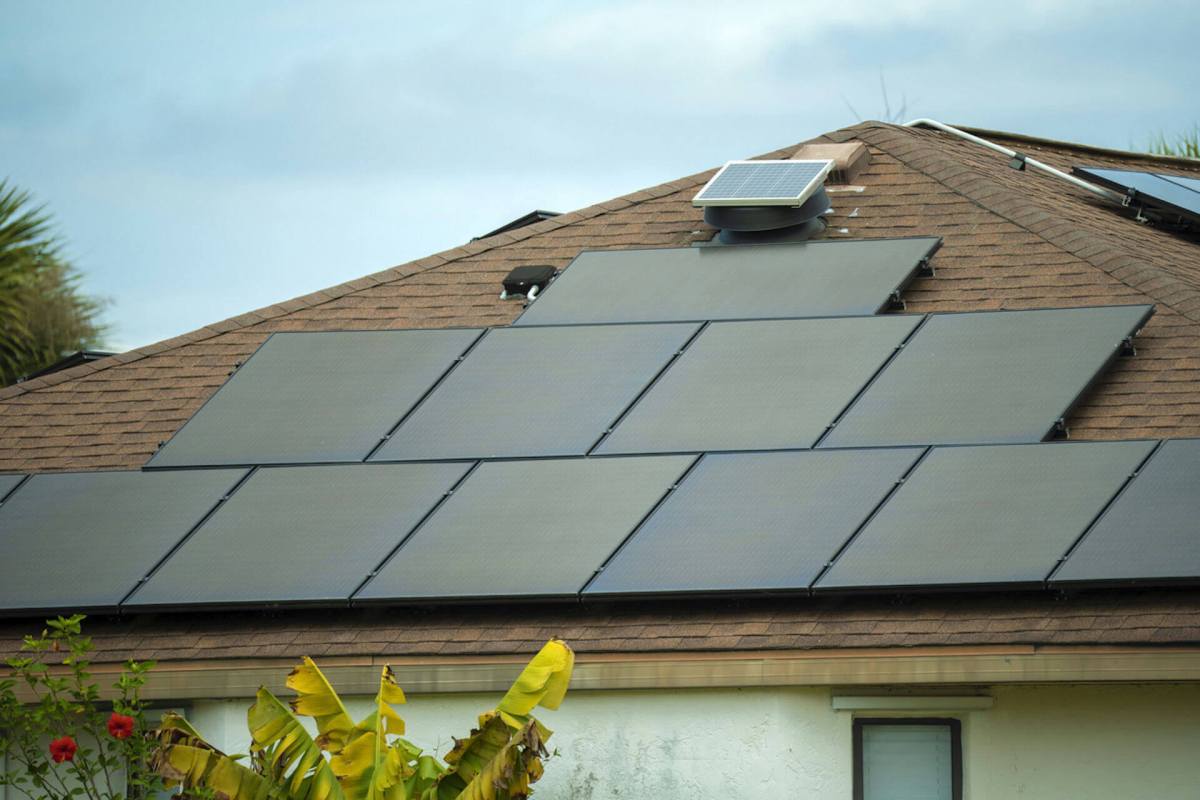
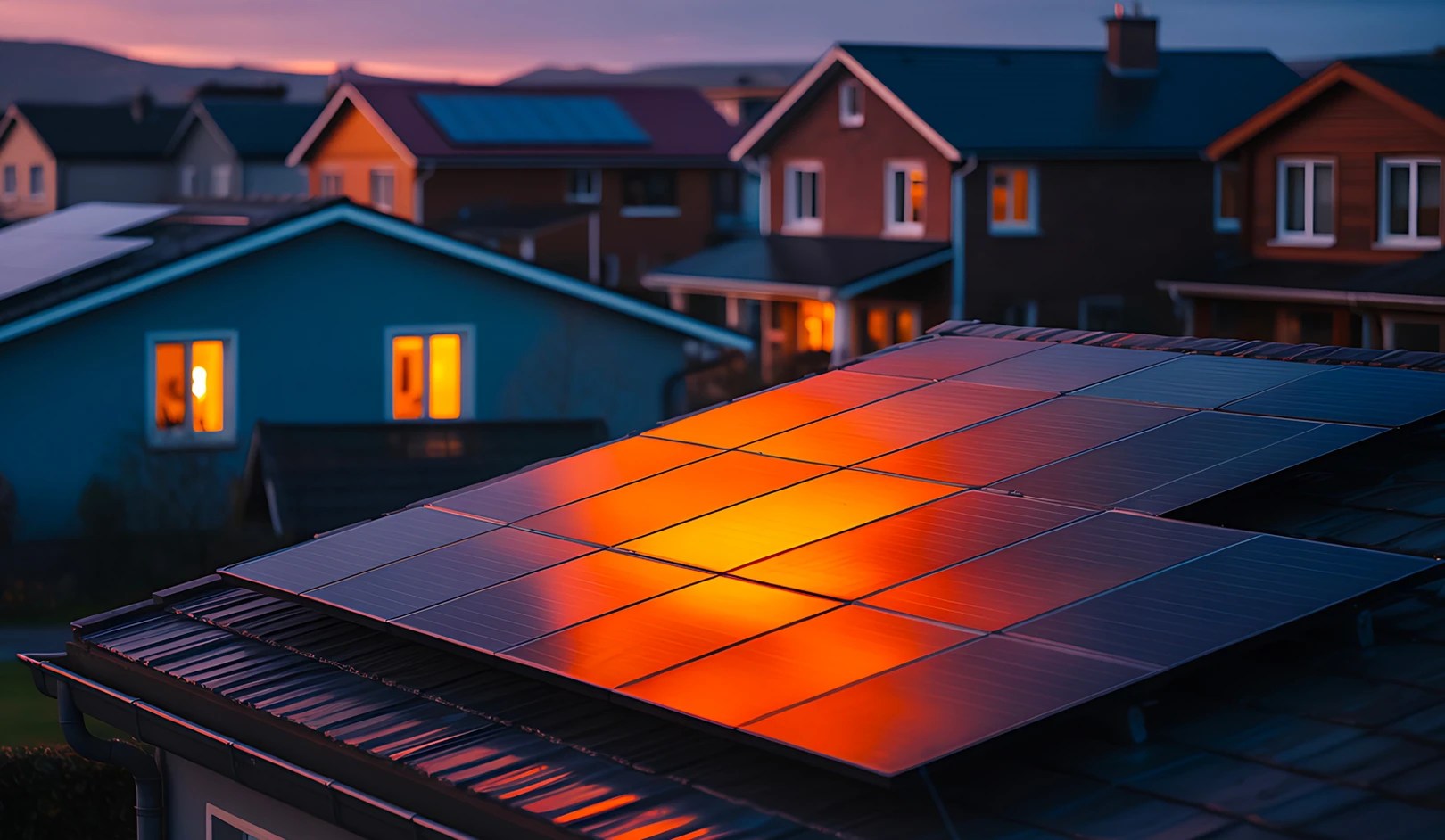
For homeowners, that same combination of solar and storage can offer a practical layer of protection. Adding battery storage to a solar setup is one of the best ways to protect your home during outages, save money on energy, and go off-grid.
Readers who want to see what that could look like for their own roof can explore EnergySage to get quick installation estimates and compare quotes for free. If you want to learn more, EnergySage also offers free tools to compare home battery storage options and review competitive installation estimates.
EnergySage's free services can also make the shopping process a lot easier.
With EnergySage's help, the average person can save up to $10,000 on solar purchases and installations.
Tools such as EnergySage's solar map show the average cost of a home solar panel system in each state and outline available state incentives, helping readers get the best price for rooftop solar panels and access available savings.
Texas still faces a steep challenge as electricity demand grows, but the July peaks offered a glimpse of what a more resilient grid could look like.
As Thomas Gleeson, chair of Texas's Public Utility Commission, told the Tribune: "We hit an all time peak, and we had no issue hitting that peak."

Get TCD's free newsletters for easy tips, smart advice, and a chance to earn $5,000 toward home upgrades. To see more stories like this one, change your Google preferences here.






