


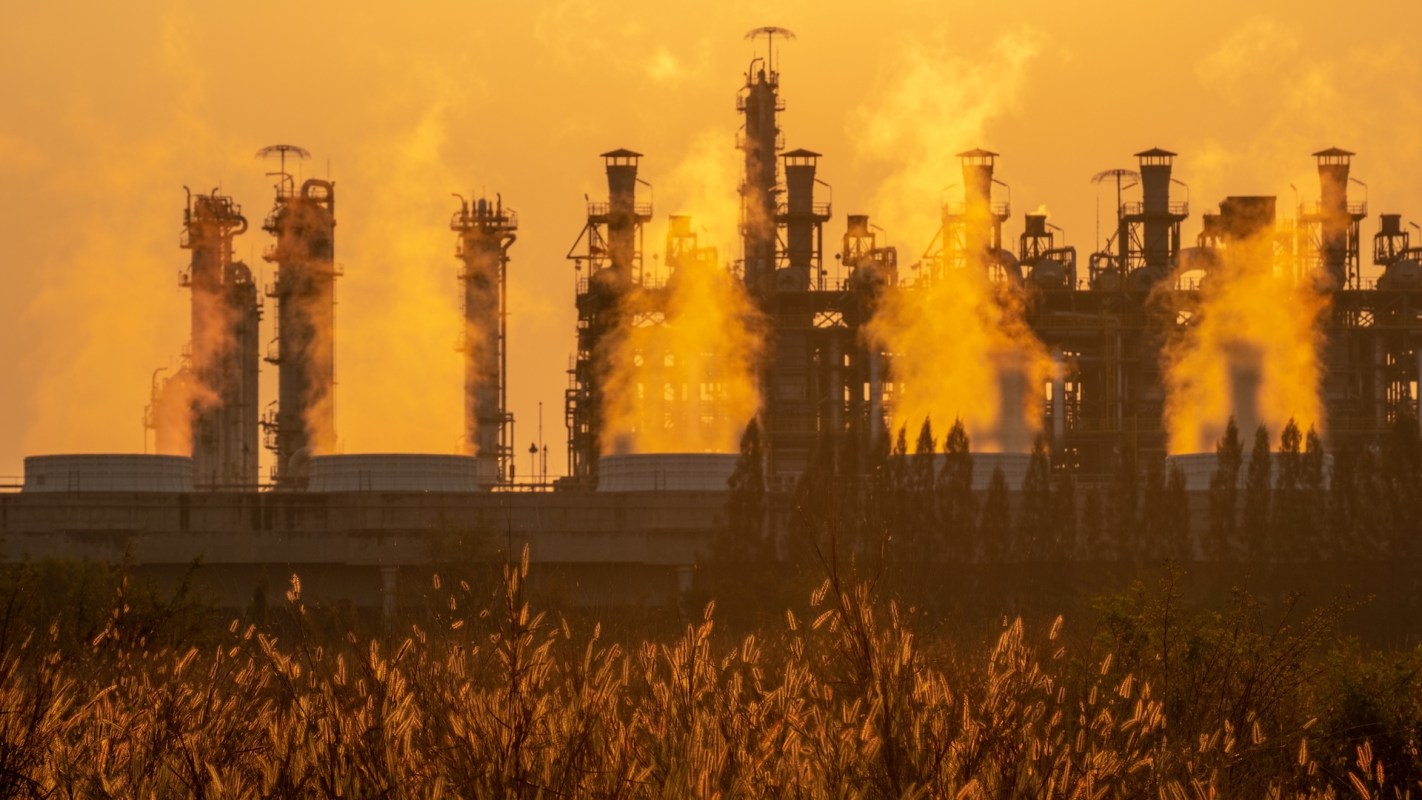
The push to expand artificial intelligence infrastructure in the United States is bringing an increasingly obvious environmental tradeoff.
Private gas-fired plants for data centers are advancing rapidly, and their combined pollution could reach levels comparable to those from a large share of the country's cars, with states such as Texas and Ohio helping speed projects along.
What's happening?
AI data centers require enormous amounts of electricity, and many companies appear ready to meet that demand with non-renewable energy sources like gas, oil, and coal.
Citing The New York Times, Futurism reported that at least 82 gas generators tied to U.S. data centers are either being developed or proposed. These are not small backup systems. They are large private power plants meant to serve data centers rather than the wider public grid.
Completion of all 82 projects would put their annual pollution output at roughly the same level as the pollution from about half of U.S. passenger vehicles. Texas is a key hotspot, and Ohio has also drawn attention for how quickly permits can move there.
In those states, the report said permits for some massive fuel-fired generators may be approved in as little as 18 days, sometimes without public disclosure. Companies associated with the surge include Meta and xAI, both moving forward as AI chips and large language models drive electricity needs ever higher.
TCD Picks » Quince Spotlight
💡These best-sellers from Quince deliver affordable, sustainable luxury for all




Why does it matter?
More gas generation can worsen local air quality, increase heat-trapping pollution, and put additional pressure on communities already dealing with industrial development and energy infrastructure.
It also reflects the increasingly close relationship between AI and the energy grid. AI can help improve energy forecasting, make power systems more efficient, and support the integration of wind, solar, and batteries. However, the same technology is also driving enormous demand for electricity and water while raising concerns about misuse, cybersecurity, and higher utility bills, especially if grid upgrades and new generation costs are passed on to customers.
AI's promise is colliding with the reality of how energy is produced. If the fastest way to power new data centers is more gas infrastructure, the environmental footprint of the AI boom could grow much faster.
In places where regulators allow private non-renewable energy projects to move ahead quickly and with limited scrutiny, residents have little time to assess how nearby pollution and power demand could affect their health, bills, and local environment.
What's being done?
Tighter oversight of where and how new data centers are built could help slow the trend. Moratoriums on additional data centers might reduce some of the growth, but they would not necessarily stop polluting power-generating projects already underway for facilities in progress.
Stronger state-level rules on permitting and disclosure could also play a role. Requiring public notice, environmental review, and clearer reporting on emissions would give communities more visibility into projects that could operate at a scale comparable to public power plants.
The AI build-out is still evolving, and so is the energy strategy behind it. Whether the industry becomes a tool for cleaner, smarter grids or a driver of more fossil fuel pollution may depend on choices being made.

Get TCD's free newsletters for easy tips, smart advice, and a chance to earn $5,000 toward home upgrades. To see more stories like this one, change your Google preferences here.






