


With data center construction surging, Texas legislators are moving toward tighter oversight of the industry. Last Wednesday, a day-long hearing focused on the costs and consequences of that growth, including grid upgrades, water demand, and effects on nearby communities.
Here's what to know
According to NBC 5 DFW, a major focus of the hearing was whether massive new electricity customers ought to cover the infrastructure built for them.
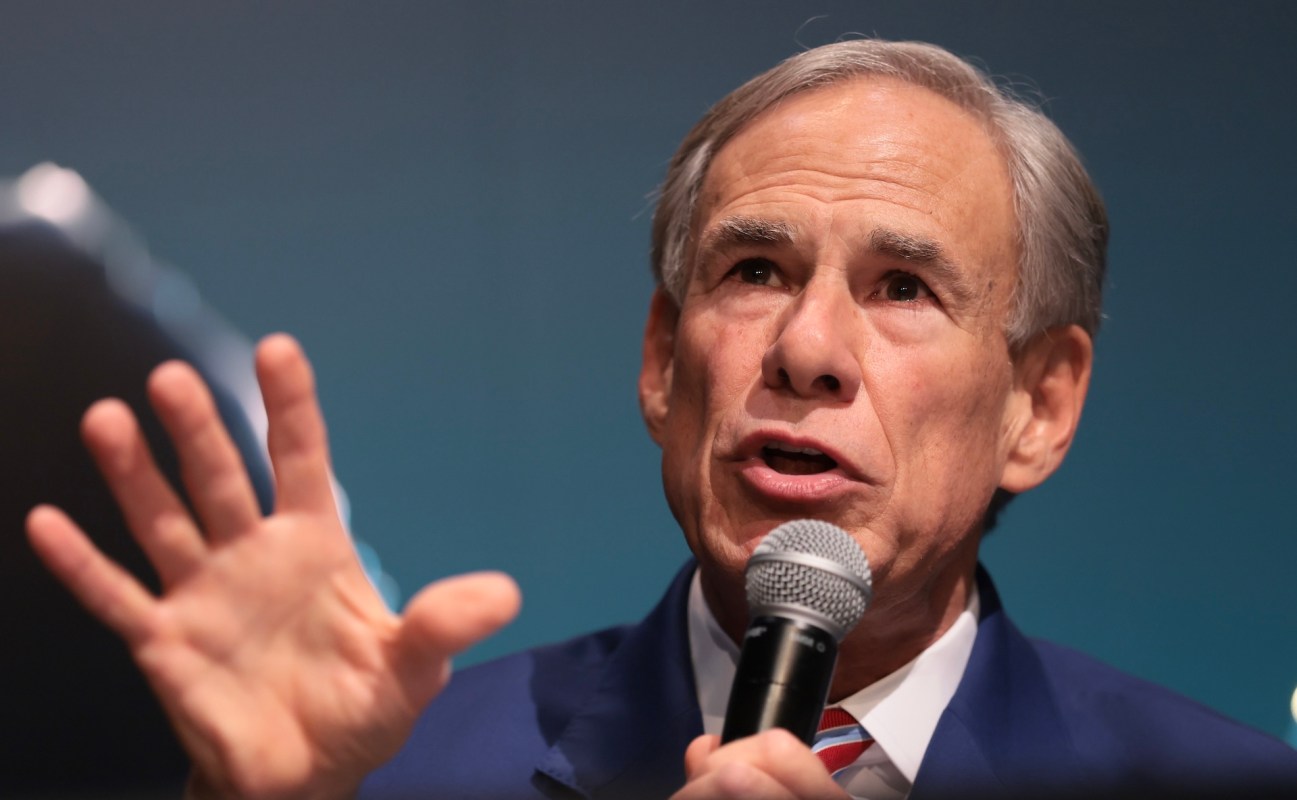
Before more data center projects can proceed, Gov. Greg Abbott has directed the Electric Reliability Council of Texas (ERCOT) and the Public Utility Commission of Texas (PUCT) to scrutinize data centers seeking access to the state's main grid.
The review is expected to cover power and water demand, ownership, taxpayer-backed incentives, and steps developers plan to take to reduce harm to surrounding communities.
Pablo Vegas, ERCOT's chief executive, told the committee that the grid operator has nearly 500 gigawatts of requested large-load interconnections, though only about 205 gigawatts appear eligible for the first round of review. He said Abbott's standards have pushed that schedule back.
"We won't launch the batch in September," Vegas said, per NBC 5 DFW. "We'll likely not be able to launch it until the end of the year."
TCD Picks » Quince Spotlight
💡These best-sellers from Quince deliver affordable, sustainable luxury for all




Ben Barklay, chief executive and public counsel for the Office of Public Utility Counsel, urged lawmakers to begin with a simple principle: "Large loads should be paying for their costs."
More background
Texas' approach could shape a large stream of investment. John Knight, the assistant director of economic development in Red Oak, told lawmakers that three data center campuses in Ellis County city — which are already operating or being built — could boost the city's tax base by $11 billion, with another $30 billion worth of projects still being pursued, per NBC 5 DFW.
However, that growth can sharpen opposition when residents fear they will bear the costs. Brian Crawford of Protect the Paluxy told the committee that point-blank.
"If a project can claim compliance without having the basic resources necessary to build it, then the guardrails are not guardrails at all," he said, per NBC 5 DFW.
Questions about water are drawing just as much attention. Temple McKinnon, water supply planning director for the Texas Water Development Board, said no single entity fully handles water-use review. Regulators added that water-quality permits generally do not require developers to demonstrate they already have an adequate supply in place.
What's being done?
Many of these projects are tied to artificial intelligence, which depends on data centers to train and run powerful computing systems. AI can help forecast electricity demand, improve grid operations, and support cleaner energy systems, but the facilities behind it can also consume enormous amounts of electricity and water, posing risks, including higher energy bills, grid strain, security concerns, and broader unintended social consequences.
In Texas, the governor has laid out several conditions for data center development: projects should pay for the electrical infrastructure they require, reuse water, rely less on the grid, and avoid encroaching on residential areas. Abbott's office said CoreWeave, Emergent Data Centers, and Power House Data Centers agreed to those terms. Per NBC 5 DFW, at least one proposed development was abandoned when its backer could not satisfy the requirements.
For future legislative sessions, lawmakers are weighing broader policy changes, such as shifting more transmission costs to major power users, requiring earlier public disclosure of a project's effects, and expanding counties' say in data center siting.
The debate is expected to continue into next year.

Get TCD's free newsletters for easy tips, smart advice, and a chance to earn $5,000 toward home upgrades. To see more stories like this one, change your Google preferences here.






