


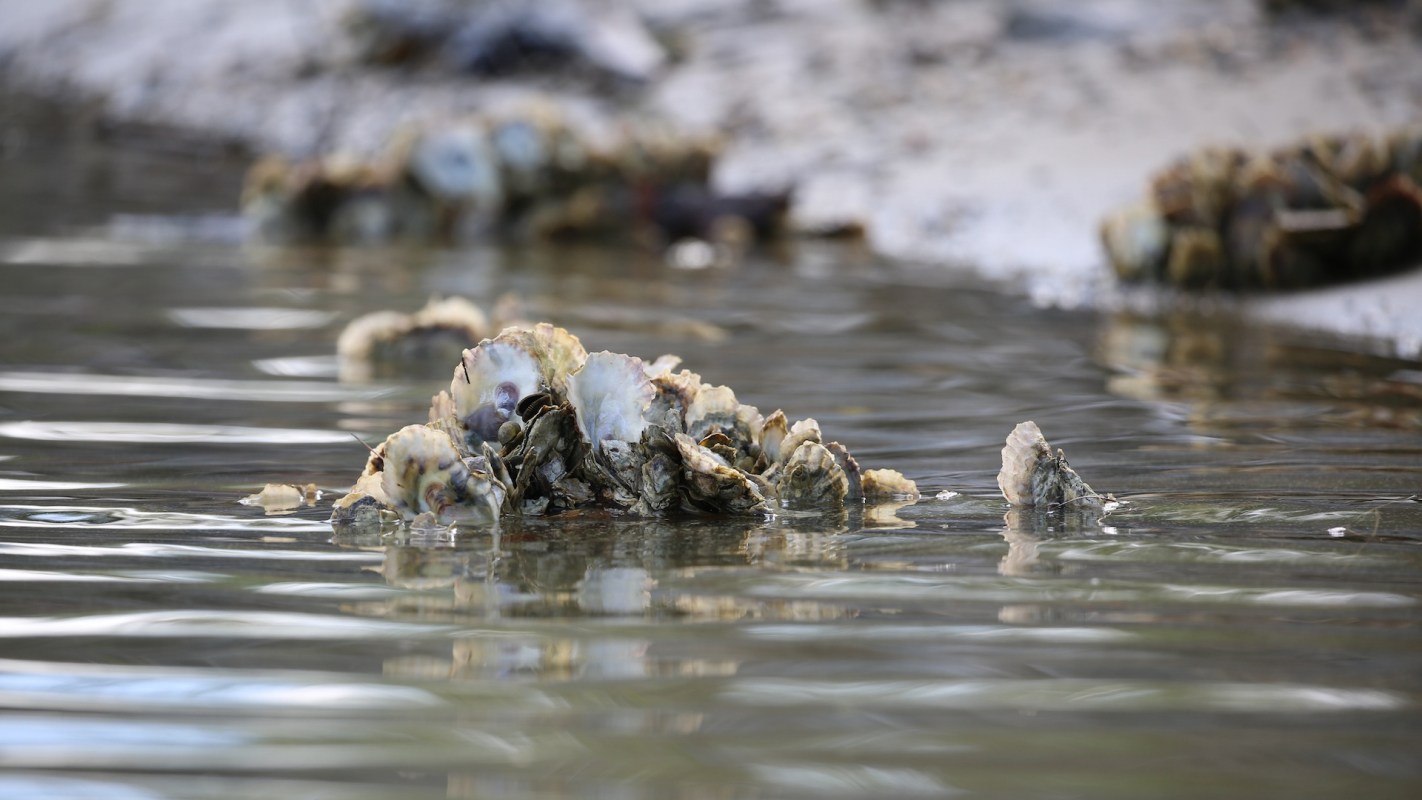
Testing wild oysters from two Texas Gulf Coast sites found microplastics in almost all specimens, and the animals' tissues also showed signs of physiological stress that may reflect pollution-related effects.
The findings add to growing concern about what filter-feeding seafood can reveal about water quality — and what that could mean for ecosystems and the people who eat shellfish.
Here's what to know
From South Padre Island and San Martin Lake, a shallow estuary near Brownsville, scientists analyzed 60 Eastern oysters for a study published Aug. 12 in PLOS ONE.
According to Study Finds, the team detected polyethylene microplastics in both gill and digestive tissues, most often as very small fibers.
University of Texas Rio Grande Valley researchers Rebecca Muñiz, Md Faisal Amin, and Md Saydur Rahman also compared freshly collected wild oysters with oysters kept for two weeks in filtered aquarium water.
The oysters taken from the wild generally contained larger detected plastic particles, about 3 to 4 micrometers on average, while the lab-held oysters averaged closer to 1 to 2 micrometers.
TCD Picks » Quince Spotlight
💡These best-sellers from Quince deliver affordable, sustainable luxury for all




Many tissue tests showed the field-collected oysters mounting a stronger stress response, with elevated antioxidant enzyme activity and other stress-linked markers.
They also produced less mucus in several comparisons, which is a problem because oysters rely on it to feed and protect themselves.
The study did not address whether people face any danger from eating these oysters.
Oysters are often eaten whole and sometimes raw, linking coastal water pollution to marine life and human exposure.
More background
The study examined not only plastic in shellfish but also how oyster tissues changed under real-world exposure and after a short recovery period in cleaner water.
Researchers measured a stress marker known as 3-nitrotyrosine protein, along with antioxidant enzymes including superoxide dismutase and catalase. Higher levels can indicate cells are responding to chemical stress.
At South Padre Island in particular, wild oysters also showed more acidic internal fluid, another sign consistent with stress.
Oysters use mucus to trap food and help protect sensitive tissues, so reduced production could interfere with basic survival functions.
Oysters are major water filters. A single oyster can filter as much as 50 gallons of water per day, and oyster reefs support coastal habitats already under strain from harvest pressure, storms, parasites, and ocean acidification.
What can be done?
Taken together, the results point to oysters as a potential monitoring tool for spotting coastal pollution before broader damage becomes obvious.
More testing of surrounding water and sediment would help clarify where the plastic comes from and how much other pollutants — including heavy metals, pesticides, and pharmaceuticals — may also contribute.
Strong monitoring programs remain central to tracking conditions in Gulf oyster beds.
Polyethylene, the plastic identified in the oysters, is commonly used in items such as bags and bottles, which can break down into smaller particles after entering waterways.
The researchers did not test site water or sediment for microplastics, and they may have undercounted thinner fibers.
As more research examines how pollution moves through marine food webs, these oysters offer an early signal of coastal water conditions and the seafood tied to them.

Get TCD's free newsletters for easy tips, smart advice, and a chance to earn $5,000 toward home upgrades. To see more stories like this one, change your Google preferences here.






