


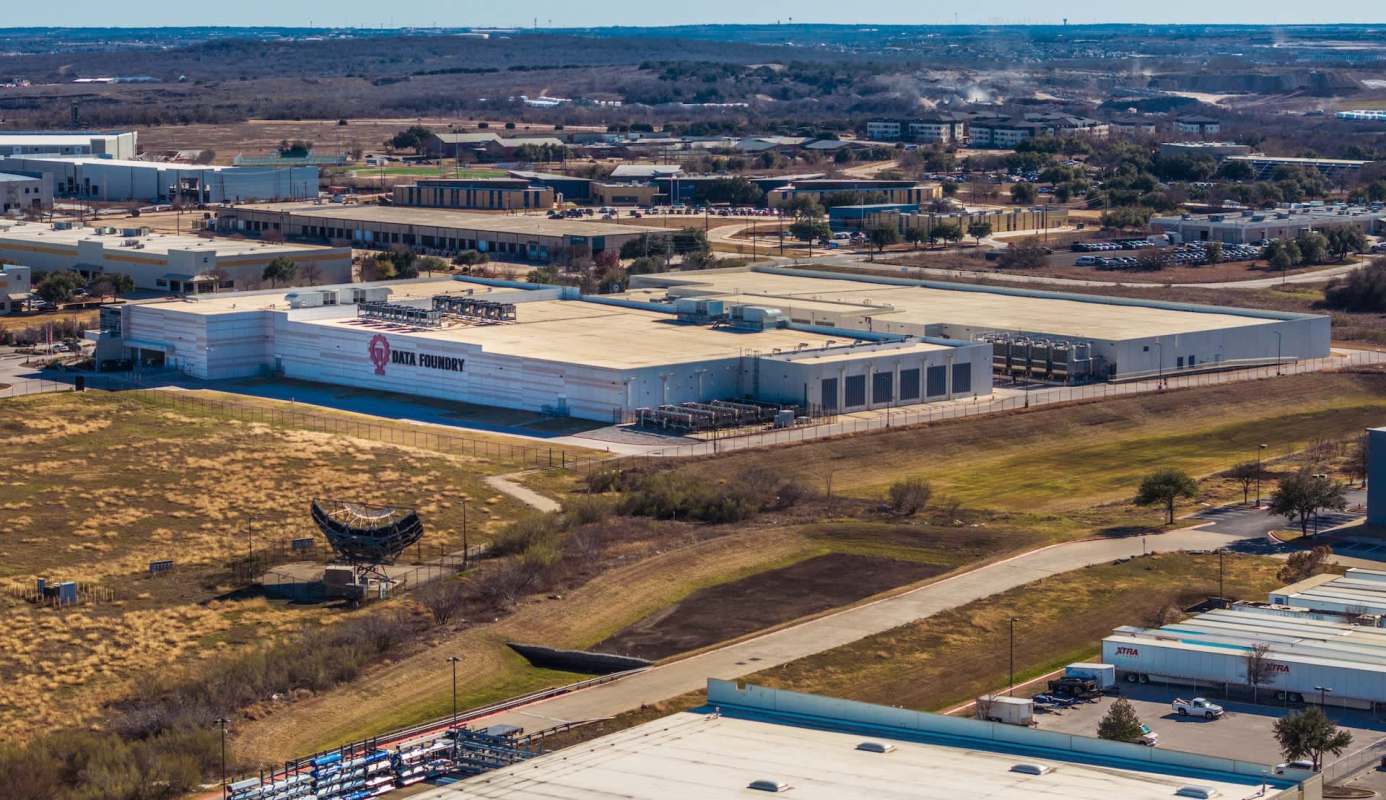
Texas is quickly becoming a major hub for the AI boom, but the massive electricity demand tied to that growth is now colliding with rising concerns about the state's power grid, water supplies, and local oversight.
Power requests linked to major projects in Texas now far exceed anything the state's grid has handled before.
What's happening?
Texas has at least 248 planned data center projects in addition to 335 existing facilities, according to a recent analysis by the Texas Tribune. Many of those projects are tied to artificial intelligence, which depends on enormous server farms to process and store data around the clock.
Data centers make up the overwhelming share of the biggest new power requests in Texas. In May, ERCOT said about 89% of the demand tied to major proposed projects came from data centers, and altogether those projects could require 439 gigawatts of capacity, the Tribune reported. That total is roughly five times the current all-time peak demand on the Texas grid.
Developers have been drawn to Texas by low land costs, fiber access, available power, and a business-friendly regulatory climate. Much of that growth is shifting into rural, unincorporated areas, where counties have far less ability than cities to block or shape development.
Gov. Greg Abbott has also shifted his tone on the issue, reported the Tribune, moving from promoting Texas as an AI "epicenter" to saying regulation should be a priority in the 2027 legislative session.
TCD Picks » Quince Spotlight
💡These best-sellers from Quince deliver affordable, sustainable luxury for all




Why does it matter?
AI's rapid growth is deeply tied to the energy grid because every chatbot query, image-generation request, or large-scale model training run relies on physical infrastructure — including servers, cooling systems, and a steady supply of electricity.
The biggest concerns include rising power demand, heavy water use, and the possibility that customers could end up paying more if infrastructure costs are shifted onto the public.
Data centers generate large amounts of heat, and many rely on water-based cooling systems to keep equipment running. A white paper from The University of Texas at Austin estimated, as reported by the Tribune, that data centers could make up 3% to 9% of Texas' total water use by 2040, compared with less than 1% today.
Texas is already grappling with strained energy and water resources. In Hood County alone, one developer has proposed three data centers with electricity needs comparable to powering 3 million homes.
What's being done?
State officials are beginning to respond. According to the Tribune, Abbott told utilities in June that regular customers should not have to absorb the infrastructure costs of serving data centers. He also called for ending data center sales tax exemptions and other incentives that cost the state more than $1 billion each year.
ERCOT and state regulators are also tightening how they plan for and approve massive power projects, while lawmakers have been asked to examine both the industry's growth and its overall water use ahead of the next legislative session.
Some communities are pushing back at the local level. The Tribune reported that San Marcos enacted a citywide ban on data centers, while officials in College Station turned down a land sale for an AI data center after heavy resident opposition. Other counties have considered pauses or adopted resolutions seeking more state oversight.
Margaret Cook, a leading data center researcher with the Houston Advanced Research Center, said, "Great power becomes great responsibility."
Rachel Hanes, policy director at Greater Edwards Aquifer Alliance, said the industry has long operated without "rules or requirements for their disclosure and reporting."

Get TCD's free newsletters for easy tips, smart advice, and a chance to earn $5,000 toward home upgrades. To see more stories like this one, change your Google preferences here.






