


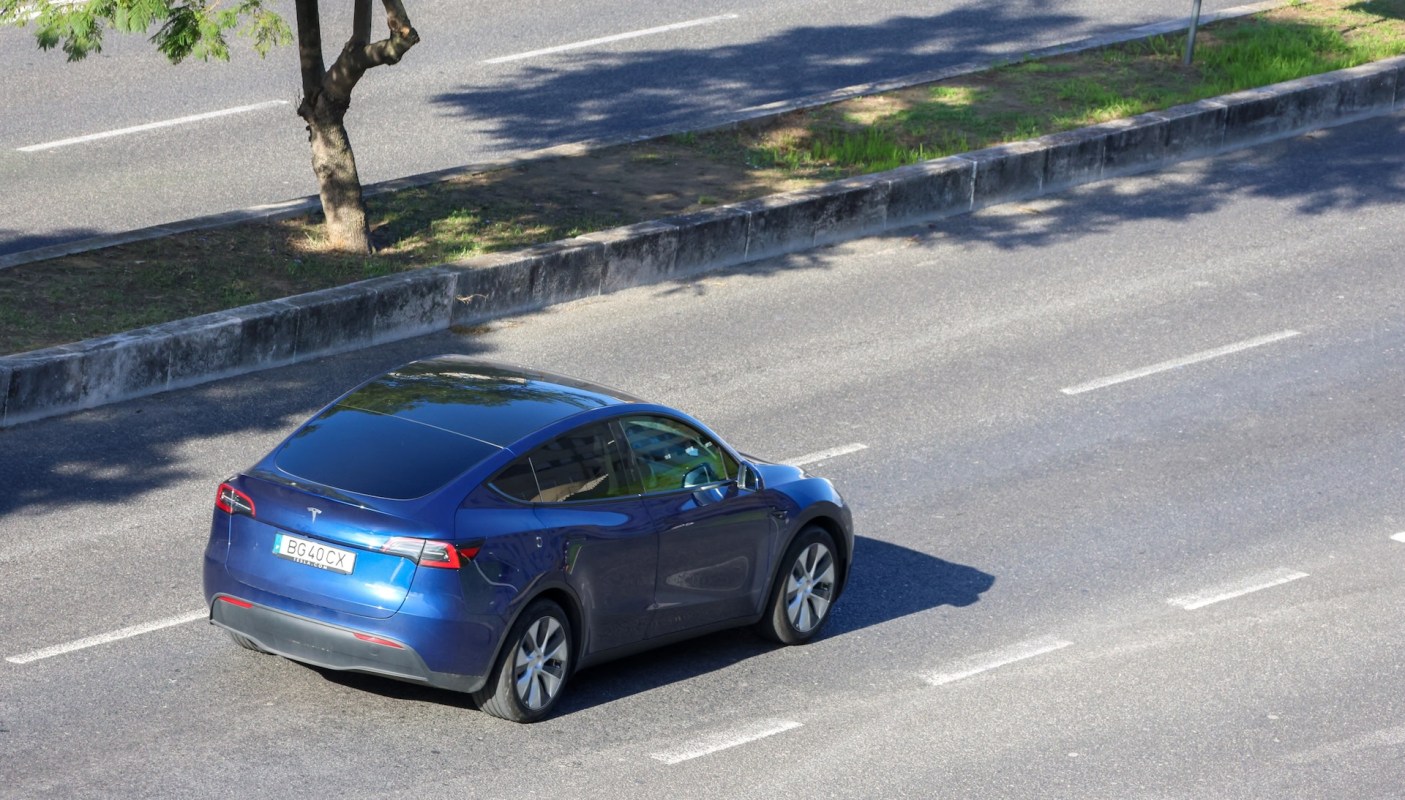
Tesla is rolling out a first-of-its-kind update that claims to make its cars safer without requiring a trip to the service center.
According to Teslarati, as part of the 2025.32 software release, Tesla announced a Frontal Airbag System Enhancement that uses the company's camera-based Tesla Vision technology to improve crash protection.
"This upgrade builds upon your vehicle's superior crash protection by now using Tesla Vision to help offer some of the most cutting-edge airbag performance in the event of a frontal crash. Building on top of regulatory and industry crash testing, this release enables front airbags to begin to inflate and restrain occupants earlier, in a way that only Tesla's integrated systems are capable of doing, making your car safer over time," the company's release notes said, per Not a Tesla App.
By predicting impact timing more precisely, the update aims to reduce injuries in serious accidents.
The news comes at a complicated time for the company. Tesla has earned numerous five-star crash safety ratings, but its second-quarter revenue fell 12% year-over-year to $22.5 billion, the steepest drop in more than a decade.
Meanwhile, surveys show that consumer trust in Tesla's self-driving features remains mixed. A report from CNBC noted that 35% of respondents would not buy a Tesla because of its supervised Full Self-Driving technology, with nearly half saying the feature "should be illegal."
Still, Tesla's software-driven safety improvements highlight the potential of electric vehicles to evolve in ways gas-powered cars can't. Beyond safety, EVs help cut air pollution from transportation, one of the largest sources of harmful carbon pollution.
And if you already own or are considering an EV yourself, installing solar panels at home can dramatically increase cost savings by making charging even cheaper. Platforms like EnergySage make it simple to compare vetted local installers and save up to $10,000 on installation.
Currently, the new Tesla feature is limited to the Model Y, but drivers of other vehicles have already started noticing similar updates arriving. One Tesla owner wrote, "Our Tesla Model 3 LR (2024) also received the same airbag update a few hours ago. Our TMS (2023) hasn't, but I suppose it's just a matter of time."
Another commenter added that the approach could be a major safety benefit if cameras only supplement existing sensors but warned, "If the vision sensors [are] replacing them altogether, then I wouldn't be wanting to drive a Tesla anytime soon."
TCD Picks » Quince Spotlight
💡These best-sellers from Quince deliver affordable, sustainable luxury for all




|
Do you worry about the longevity of EV batteries? Click your choice to see results and speak your mind. |
 For sure 💯
Join our free newsletter for weekly updates on the latest innovations improving our lives and shaping our future, and don't miss this cool list of easy ways to help yourself while helping the planet.
Cool Picks





