


Electric vehicles are often judged by one key question: Will they really last?
A longevity study has suggested that Tesla is making it increasingly difficult for skeptics to argue otherwise. The odds of the brands' vehicles reaching 250,000 miles are reportedly higher than those of several major automakers.
What happened?
Drawing on records of more than 174 million used vehicles, iSeeCars found that Tesla has a 4.6% likelihood of reaching 250,000 miles, nearly matching the 4.8% average across the industry, regardless of powertrain.
In the brand rankings, that result left Tesla tied for sixth out of 32 automakers. It also placed the company ahead of Subaru, Nissan, Mazda, BMW, Mercedes-Benz, and Porsche; Subaru's 2.3% mark was roughly half Tesla's, Teslarati reported.
The top of the list was led by Toyota at 17.8%, with Lexus at 12.8%. Both Honda and Acura also finished above Tesla. Even so, the result was notable for a comparatively young EV maker.
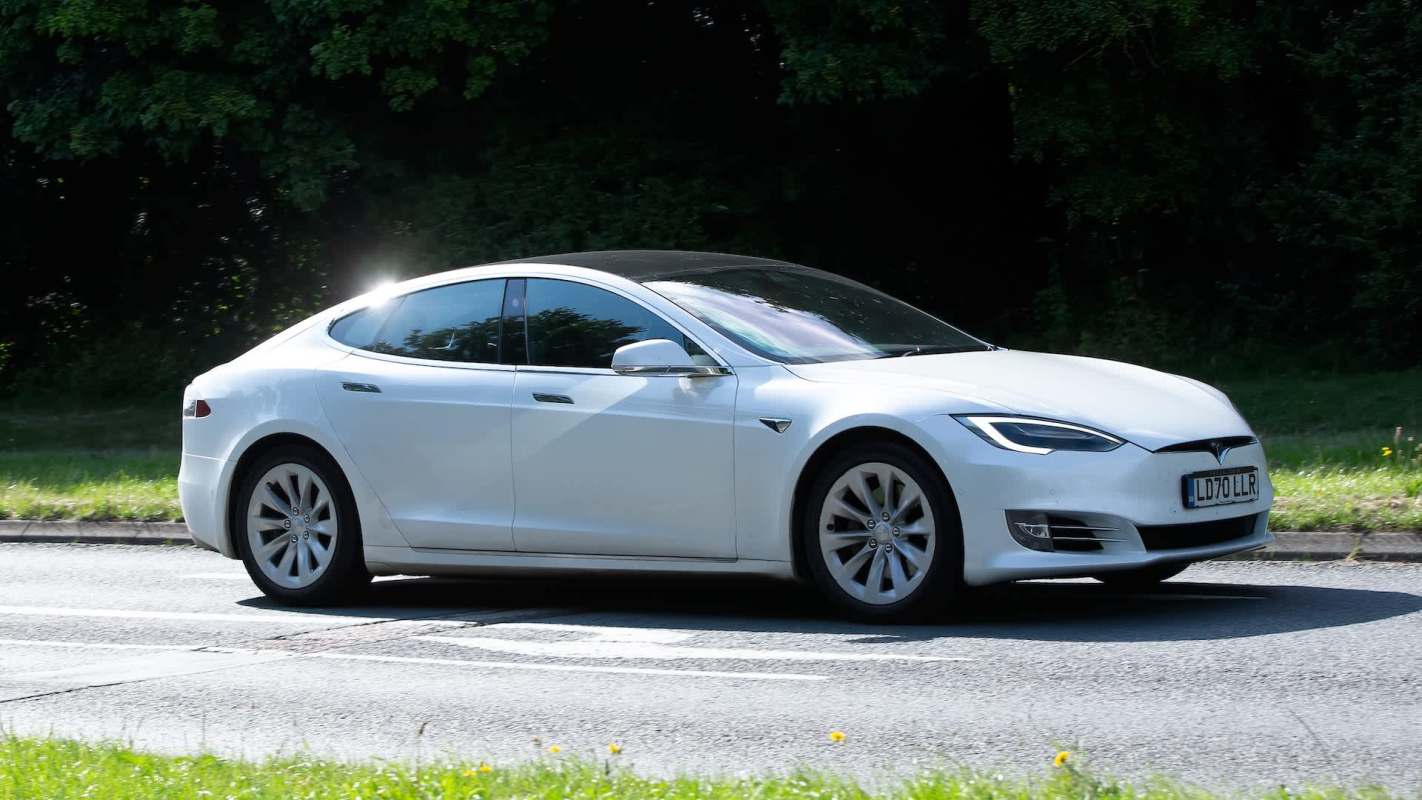
The Model S also posted strong numbers in the EV-specific data, receiving a 7.9/10 reliability rating, ranking first among 35 electric models, and carrying an estimated lifespan of about 154,419 miles, or roughly 16.9 years. iSeeCars also gave it a 21.9% chance of making it to 200,000 miles.
TCD Picks » Quince Spotlight
💡These best-sellers from Quince deliver affordable, sustainable luxury for all




Why does it matter?
Longevity can translate into better value. A vehicle that lasts longer can spread its upfront cost over more years and miles while reducing the likelihood of costly repairs tied to complex engine systems.
Compared with gas vehicles, EVs use simpler drivetrains with fewer parts that need regular service or are prone to wear. That means things like oil changes are off the table, and fewer failure points can make ownership easier and cheaper over time.
With Tesla drawing both praise and criticism for reliability, a study this large gives shoppers another way to judge the brand. Instead of centering on isolated complaints or short-term issues, it offers a look at how these vehicles may hold up over many miles.
Keeping a vehicle on the road longer can reduce the need for replacement manufacturing and help drivers get more use out of a lower-pollution transportation option.
What can I do?
Charging an EV at home is significantly cheaper than relying on public chargers. Installing solar panels can lower costs even further, since charging with your own electricity is cheaper than depending on public stations or the grid.
For secondhand EV sales, checking battery history, maintenance records, software support, and how a vehicle was driven and stored can provide a better sense of durability, since climate and driving habits still play a role.
No car brand gets everything right, but these results put Tesla squarely in the mix when the discussion turns to long-lasting vehicles.

Get TCD's free newsletters for easy tips, smart advice, and a chance to earn $5,000 toward home upgrades. To see more stories like this one, change your Google preferences here.






