


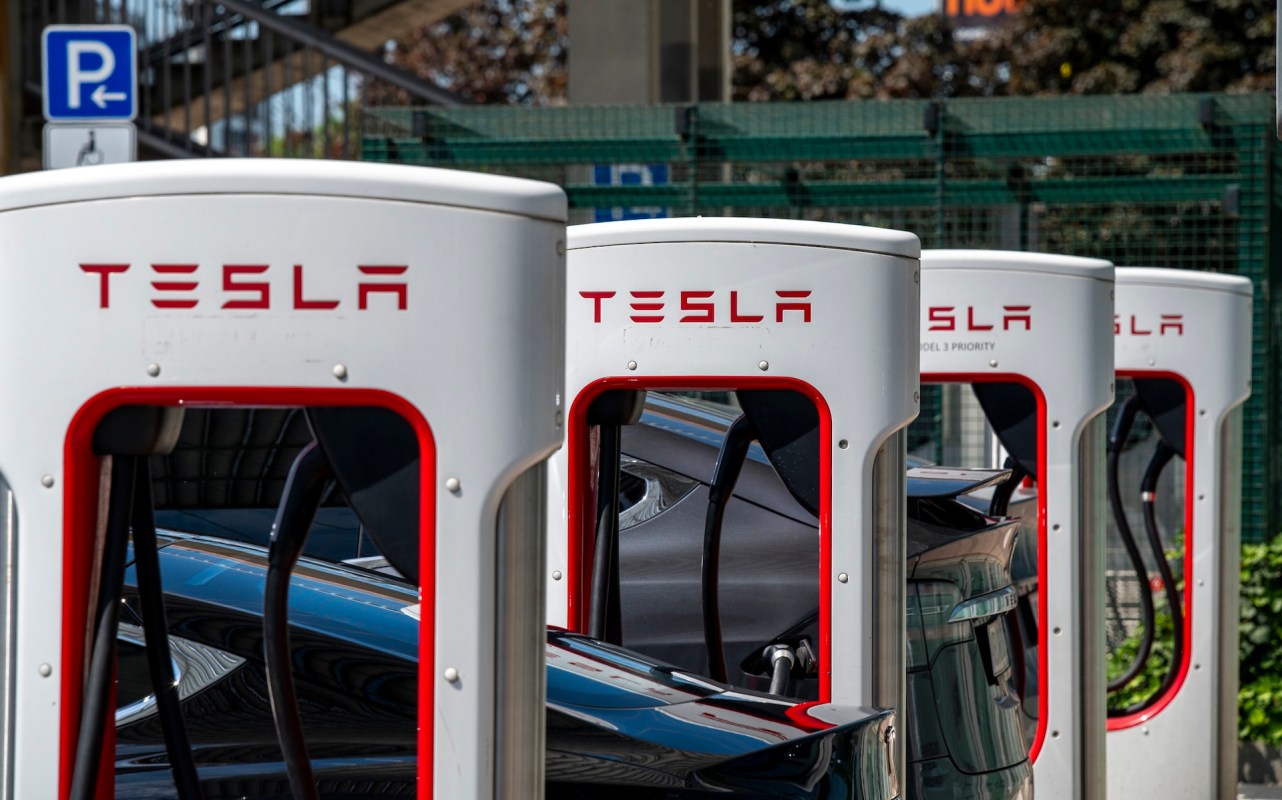
A 700-mile drive is exactly the kind of scenario that still makes some drivers question whether an electric vehicle can really replace a gas-powered car.
That is why one Tesla owner's decision to head to Arkansas using only Tesla Superchargers, with no backup charging plan at all, is drawing attention.
Here's what to know
The trip, shared in a YouTube video by The Arkansas eTraveler (@TheArkansaseTraveler), follows a drive from McCaysville, Georgia, to Bentonville, Arkansas, with Tesla's charging network as the only option.
The creator summed up the challenge this way: "700 miles back to Arkansas, every single charge on a Tesla supercharger. No Electrify America, no ChargePoint, Ionity not an option. No backup plan."
For many prospective buyers, the real concern is less the official range figure and more what happens on a long route when it is time to stop, plug in, and get back on the road.
Cost was part of the experiment too, with the creator saying, "I'm going to try and save money using time of use rates to do it overnight."
TCD Picks » Quince Spotlight
💡These best-sellers from Quince deliver affordable, sustainable luxury for all




Charging during lower-cost hours can make EV ownership cheaper than many people expect.
More background
Many EV stories focus on battery specs or company promises, but everyday drivers often care more about whether they can cover long distances without planning their entire day around charging anxiety.
Rather than a tightly managed showcase, a 700-mile run like this offers a more everyday look at how charging access holds up outside the best-known EV corridors.
One commenter wrote, "Was going to say, make it more interesting by NOT using Tesla network, but abrp says my not-a-tesla would make this trip 30 minutes faster than my [admittedly old] Tesla."
Even in a Tesla-focused test, that comment points to a broader shift: Trip-planning tools and non-Tesla charging options are improving too.
Stronger competition in charging and better route planning can make EV ownership easier, less stressful, and potentially less expensive.
What can be done?
The calculation goes beyond maximum range to route availability, charging speed, and whether a utility offers lower overnight electricity rates.
Time-of-use pricing can be especially important. If drivers can shift more of their charging to off-peak hours, they may cut fueling costs without changing much about their routine.
Public fast charging is valuable for road trips, but home or overnight charging is often where the savings add up the most.
Route-planning tools can help before a long drive. Even the commenter who challenged the Tesla-only framing referenced ABRP, a planning app many EV owners use to compare routes, stops, and timing.

Get TCD's free newsletters for easy tips, smart advice, and a chance to earn $5,000 toward home upgrades. To see more stories like this one, change your Google preferences here.






