


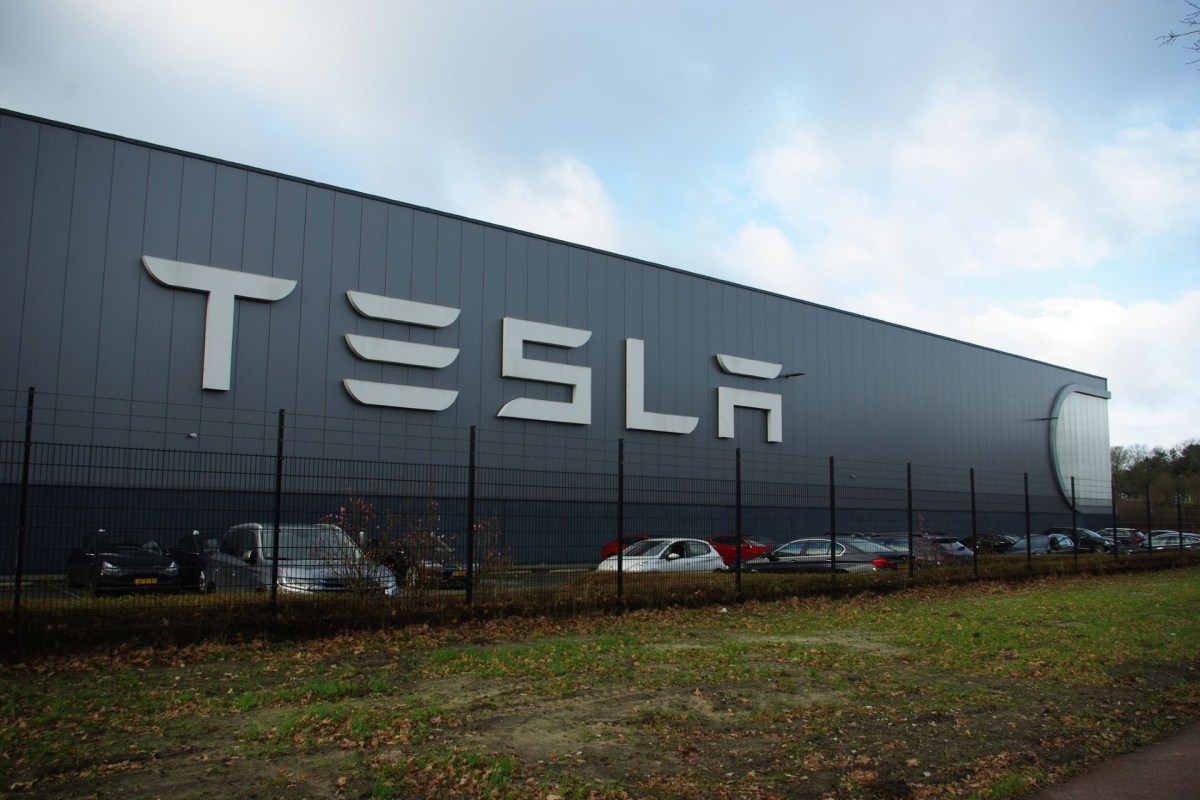
What if Tesla's next major energy move was not a vehicle at all, but a sprawling solar manufacturing campus outside Houston?
A new report suggests that may be exactly what is taking shape in Brookshire, Texas.
According to Electrek, Tesla is developing a major solar manufacturing operation at its Brookshire site, alongside the Megapack battery factory already under construction there. The property is located in Empire West Business Park, about 35 miles west of Houston.
The proposed operation would reportedly span nearly the entire solar manufacturing process — from ingot growth and wafer slicing to photovoltaic cell production and finished panel assembly — creating a vertically integrated facility supported by cleanroom-grade manufacturing space and more than $250 million in construction spending.
If completed as described, the project would represent Tesla's clearest step yet toward Elon Musk's stated goal of reaching 100 gigawatts of annual solar manufacturing capacity.
The scale would mark a dramatic expansion from Tesla's current solar footprint. The company's Buffalo, New York, facility can reportedly produce about 300 megawatts annually after quietly restarting production of its TSP-420 solar panel in late 2025.
TCD Picks » Quince Spotlight
💡These best-sellers from Quince deliver affordable, sustainable luxury for all




The Brookshire development would stand out because of how closely it ties together Tesla's broader energy ecosystem. The company already links rooftop solar, Powerwall home batteries, EV charging, and Megapack grid-scale storage into a connected energy platform.
The project arrives during a challenging period for Tesla's automotive business. The company's vehicle sales struggled through parts of 2025 amid rising competition, softer demand in several markets, pressure on profit margins, and backlash to Musk's political activities.
Expanding its energy division could help diversify the company's business while increasing the availability of clean energy products.
The timing also reflects a broader demand growth for electricity-intensive technologies, including AI data centers. Large-scale solar manufacturing could support power generation while reducing dependence on polluting fuels like oil, coal, and gas.
The scale of Tesla's ambition is significant. U.S. solar installations totaled roughly 32 gigawatts in 2023, meaning Tesla's long-term target would exceed that annual figure several times over.
Brookshire's access to industrial infrastructure, shipping routes, and skilled labor could help accelerate the buildout, though questions remain about construction timelines and international equipment sourcing.
For drivers considering an electric vehicle, charging at home is typically far cheaper than relying on public charging stations, often saving households hundreds of dollars annually. If you are interested in installing a Level 2 charger at home, Qmerit helps homeowners get free, instant installation estimates from certified installers.
Solar panels can also dramatically increase EV savings because charging with your own electricity is often cheaper than using public chargers or drawing power entirely from the grid. Services such as EnergySage make it easier to compare quotes from vetted solar installers and save on installation costs.
The Solar Explorer can help homeowners better understand their options. The tool simplifies the process of going solar with concierge-style guidance, helps users save up to $10,000 by comparing competitive bids from vetted local installers, and even offers $0-down subscription options for households working within tighter budgets.

Get TCD's free newsletters for easy tips, smart advice, and a chance to earn $5,000 toward home upgrades. To see more stories like this one, change your Google preferences here.






