


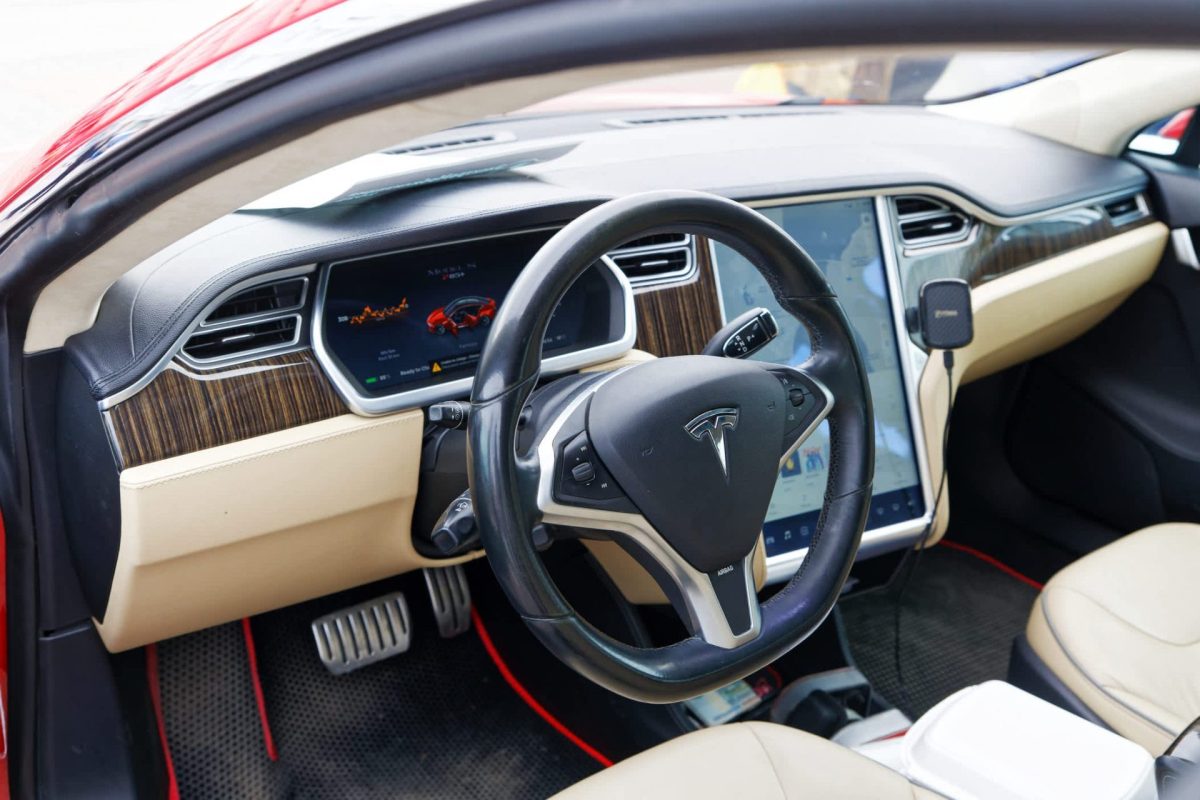
After more than a year of outdated self-driving software, millions of Tesla's older cars are finally beginning to receive a new update.
Even so, content creator The Electric Viking (@electricviking) reports that owners of Hardware 3 vehicles still are not getting the fully autonomous experience many say they already paid for.
What's happening?
On June 29, Tesla began rolling out firmware 2026.20.51, called Full Self-Driving Supervised version 14 light, to Hardware 3 vehicles, as The Electric Viking details in a YouTube video.
Tesla AI chief Ashok Elluswamy later confirmed that the release had begun. Hardware 3 owners had reportedly remained on version 12.6 for over a year even as Tesla kept improving the software on Hardware 4 vehicles.
To adapt some of that newer behavior to the older computers, The Electric Viking noted the company reportedly trained a smaller model through "knowledge distillation" so it could imitate the newer system.
With this update, Hardware 3 cars gain features such as parking, unparking, reversing, starting self-driving from park, more arrival choices, extra speed profiles, and fewer false slowdowns.
TCD Picks » Quince Spotlight
💡These best-sellers from Quince deliver affordable, sustainable luxury for all




"The features are actually real," The Electric Viking states in the video. He does note some of the limitations of the changes later on.
Why does it matter?
Older EVs may stay useful longer without needing to be replaced. If software can meaningfully improve the driving experience on cars already sitting in driveways, it can help protect resale value and reduce the waste associated with retiring otherwise functional vehicles too early.
At the same time, the update shows how far Tesla's earlier sales pitch and today's limits appear to diverge. The Electric Viking says many Hardware 3 cars were sold with assurances that they were ready for Full Self-Driving, and some customers spent up to $15,000 for that option.
However, the creator said Musk told investors on Tesla's Q1 2026 earnings call that Hardware 3 could not support unsupervised FSD.
So despite the new software, the system still sits at supervised Level 2 rather than delivering anything like a robotaxi experience. Drivers are getting an upgrade, but not quite what they paid for. Certainly, they aren't getting it on time, either.
What's being done?
For now, Tesla seems to be treating this lighter release as its immediate answer for older cars. The Electric Viking said the older hardware "physically cannot run the full version 14 stack," which would explain why Tesla is shipping a reduced build.
Beyond that, Tesla has reportedly weighed several ways to address owner complaints, including retrofit options, discounts on newer vehicles, and paid hardware upgrades for some drivers.
Pressure is also mounting in court. In the Netherlands, a collective action over Tesla's Hardware 3 claims reportedly has backing from law firm Kennedy and now includes 7,000 owners.
Not every one of the roughly 4 million Hardware 3 vehicles is in the same position, though. One commenter wrote that "of the roughly 4 million HW3-equipped vehicles, an estimated 500,000+ customers purchased FSD and are entitled to the capabilities they paid for."
At this stage, the release looks more like an interim fix than a full resolution.
"It is not anywhere near unsupervised autonomy," The Electric Viking suggests.
Some owners still spoke favorably about the existing software in the comments.
"FSD 12.x for HW3 is no slouch!" one exclaimed. "Works pretty good!"

Get TCD's free newsletters for easy tips, smart advice, and a chance to earn $5,000 toward home upgrades. To see more stories like this one, change your Google preferences here.






