


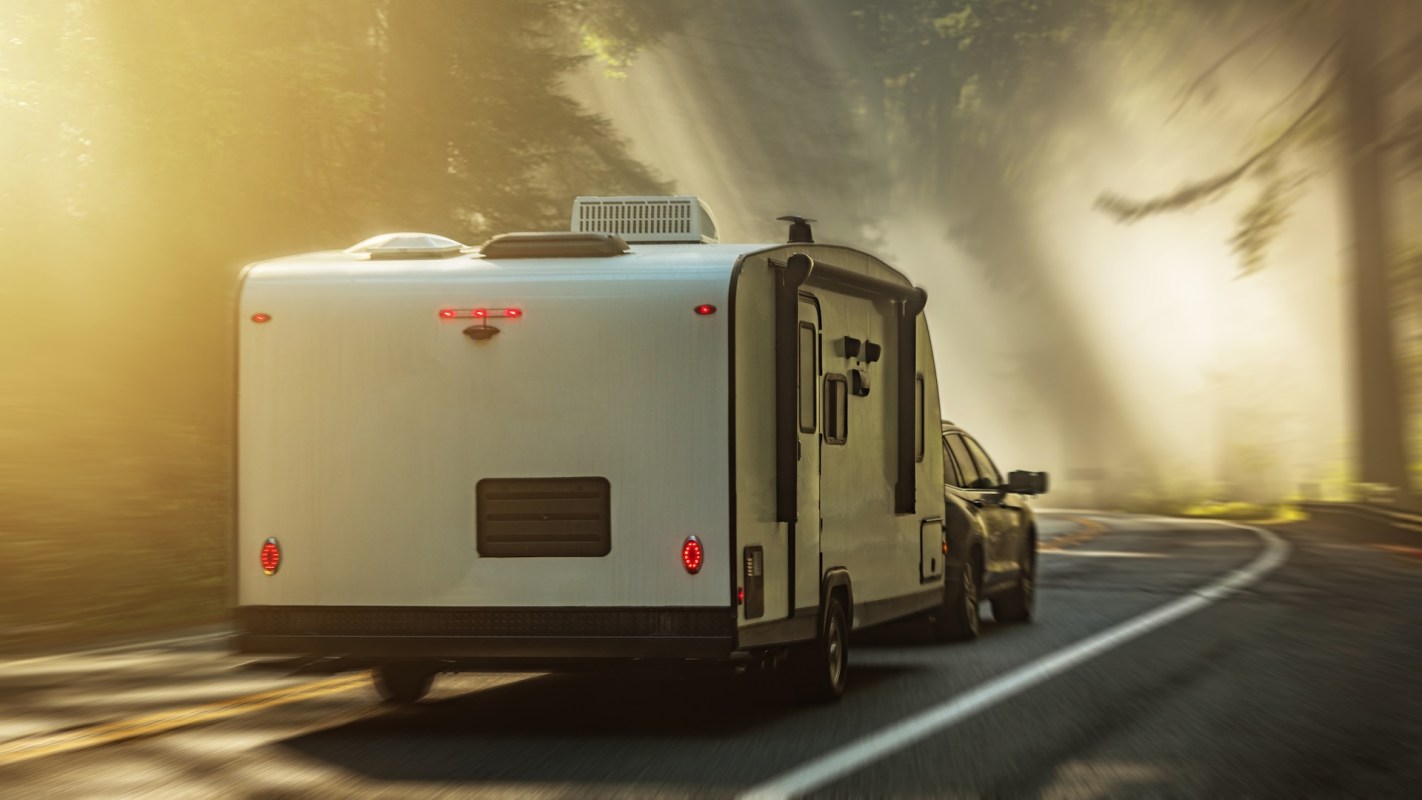
Towing a large family caravan is one of the toughest real-world tests for any electric vehicle, and one Tesla Model Y owner decided to document what happened while hauling a Swift six-berth caravan roughly 250 miles to the Norfolk Broads in England.
Here's what to know
In a YouTube video, Tesla Touring UK (@TeslaTouringUK) chronicles a roughly 250-mile trip to the Norfolk Broads with a Swift six-berth caravan in tow, including one arrival that left just 3% on the battery.
The point of the exercise was to give EV drivers a concrete example of what a substantial caravan trip might look like, with charging decisions that matter throughout the day.
"This is my most ambitious towing trip yet. It's nearly 250 mi with my six-berth caravan. Let's see how the Tesla does," the original poster said as they started their trip.
The first charging pause came after about 105 miles, even though one earlier estimate had suggested the car could go farther. The overall run involved at least two charges.
"It rerouted us to Blyth services, and I've still got 20% left. So, I wouldn't have risked it," they explained.
TCD Picks » Quince Spotlight
💡These best-sellers from Quince deliver affordable, sustainable luxury for all




A later stretch of roughly 90 miles ended at a hotel charger in King's Lynn, where the car arrived with almost no battery remaining.
"So, got here with 3%," they said.
Heavy towing reduces efficiency in electric vehicles just as it hurts fuel economy in gas and diesel models, which helps explain why real-world trip data matters more than online guesswork.
One commenter wrote: "Love the channel and the info and advice you pass on to people who tow with an electric motor … brilliant."
More background
Electric towing appears possible in this case — but only with careful planning, extra time, and a willingness to accept tighter margins than many drivers may want.
The day required active management: at one stop the caravan had to be unhitched, charging sessions were planned around time rather than always filling to 100%, and plans changed as the journey progressed.
The Dragonfly in King's Lynn stood out as their "favorite charging stop," largely because its spacious lot made maneuvering the caravan easier and the stop itself felt comfortable.
There may also be a financial upside, though the video does not provide a direct cost comparison. In many cases, charging an EV can cost less than filling a large tow vehicle with gasoline or diesel.
EVs can also save owners money on maintenance over time because they have fewer moving parts.
What can be done?
Manufacturer estimates may not reflect a loaded vehicle, highway speeds, weather, terrain, or the added drag of a large trailer.
Choosing routes with pull-through or roomy charging sites, keeping backup stops in mind, and leaving a larger battery buffer than navigation tools predict can help reduce stress.
Charging to 80% may save time on some legs, but this trip shows there are situations where topping up further can provide a bigger buffer.
An EV may still make sense for buyers who tow only occasionally if most annual miles are non-towing miles, where fuel and maintenance savings are more likely to add up.
For frequent long-distance caravan travelers, charging access and towing range remain central parts of the decision.

Get TCD's free newsletters for easy tips, smart advice, and a chance to earn $5,000 toward home upgrades. To see more stories like this one, change your Google preferences here.






