


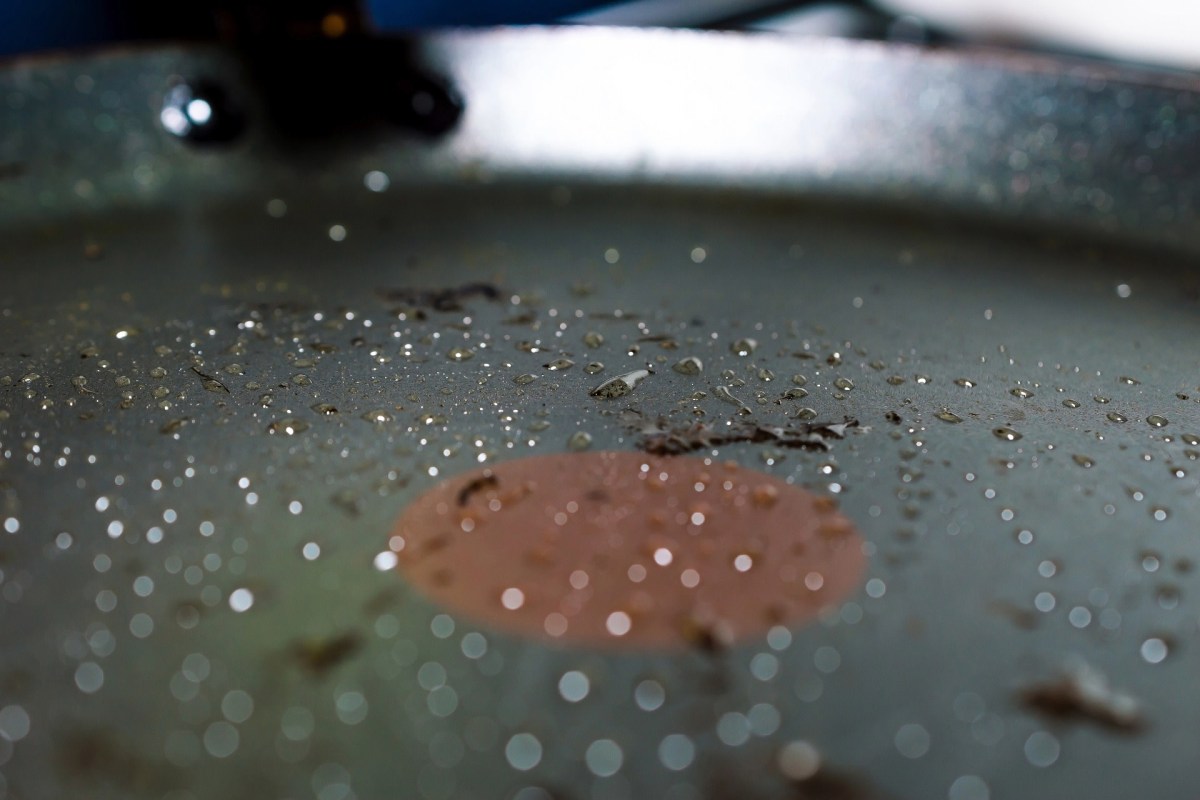
Plastics such as Teflon are known for their toughness, being used in everything from nonstick pans to electronics. But that same durability makes them nearly impossible to recycle, meaning they often stick around as pollution for decades.
Now, according to Interesting Engineering, scientists in Japan have developed a way to break down this stubborn material using half the energy of traditional methods.
Their work could make it much easier and cheaper to recycle a whole family of so-called forever chemicals, cutting waste and giving industries a new source of raw materials.
Polytetrafluoroethylene, best known by the brand name Teflon, is part of the PFAS family of chemicals. These materials resist heat, water, and chemicals, making them incredibly useful — and incredibly hard to dispose of safely. Conventional recycling methods require extreme heat (up to 1,832 degrees Fahrenheit) and large amounts of energy.
Scientists at Japan's National Institutes for Quantum Science and Technology found that by combining moderate heat with a powerful electron beam, they could fully decompose PTFE at just 698 degrees Fahrenheit. That's a big drop from traditional processes, slashing energy use by about 50%.
When PTFE powder was treated at this lower temperature, it broke down completely into gases called oxidized fluorocarbons and perfluoroalkanes. These gases can be captured and reused as chemical feedstocks, supporting a circular economy where old products become the building blocks for new ones.
By cutting the cost and difficulty of recycling these tough plastics, this method could encourage industries to process their waste instead of sending it to landfills or incinerators. While it would be ideal to reduce the production of plastic products entirely, this is a step in the right direction toward cleaner soil and water.
It could also save companies money. Recycling PTFE with this technique uses roughly half the energy of current methods, lowering operating costs while providing a steady supply of valuable raw materials.
The researchers hope their approach will be scaled up for industrial use, making large-scale recycling of fluoropolymers a reality. If successful, it could be a big win for both the environment and the bottom line.
|
What would be your biggest motivation for switching to an induction stove? Click your choice to see results and speak your mind. |
 Energy savings 💰
Join our free newsletter for weekly updates on the latest innovations improving our lives and shaping our future, and don't miss this cool list of easy ways to help yourself while helping the planet.
TCD Picks » Upway Spotlight
💡Upway makes it easy to find discounts of up to 60% on premium e-bike brands





Cool Picks





