


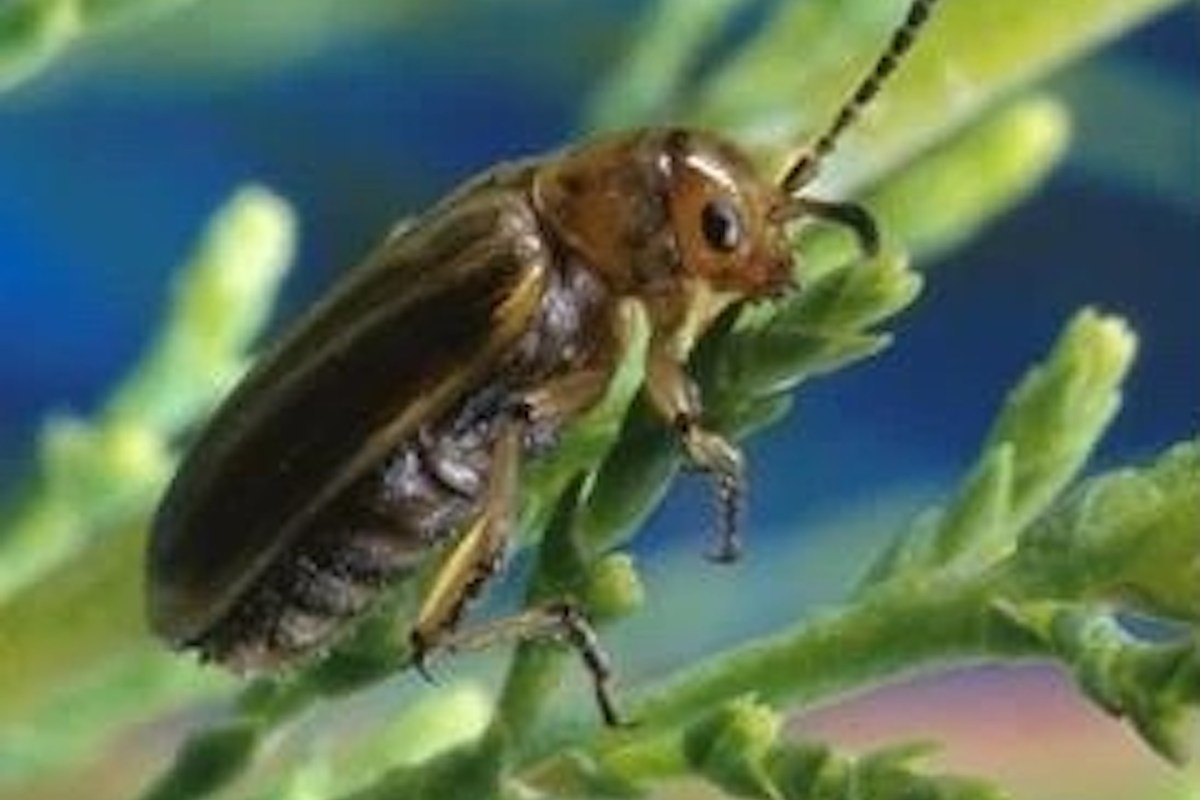
Efforts to clear a tree introduced near rivers in the American West has created harm to the habitat used by an endangered bird species, Diario AS reported.
What happened?
After years of study, the U.S. Department of Agriculture approved the controlled release of the tamarisk leaf beetle in 2001 to reduce tamarisk trees, which are also known as saltcedar.
As Diario AS summarized, the Eurasian tree had spread across millions of acres of western riverbanks. People brought it to the U.S. in the 19th century as an ornamental plant and to help control erosion. Instead of helping, however, it used huge amounts of water, made soils saltier, and increased fire danger.
Scientists chose the tamarisk leaf beetle because testing indicated it fed and reproduced on tamarisk rather than other trees or crops. The beetles moved through states and removed leaves from tamarisks along river corridors.
The trouble was that the federally endangered southwestern willow flycatcher, having lost much of its usual willow and cottonwood habitat, had begun nesting in dense tamarisk stands.
Why is this concerning?
That shift turned a targeted ecosystem management campaign into a habitat crisis.
TCD Picks » Quince Spotlight
💡These best-sellers from Quince deliver affordable, sustainable luxury for all




Scientists had expected the beetles would not move far enough south to reach important flycatcher breeding grounds in Arizona, New Mexico, and Southern California because of a mismatch in daylight-driven reproductive timing.
Instead, the beetles adapted. Within about a decade, they had spread into key nesting areas and begun stripping leaves from tamarisk during the spring and early summer as birds were breeding.
Trees without leaves expose nests to extreme heat, make them easier for predators to find, and support fewer insects for the birds to eat.
Researchers have documented losses of up to 94% of flycatcher nesting habitat in places including Nevada's Virgin River and stretches of the Lower Colorado.
What's being done?
According to Diario AS, federal agencies have stopped releasing tamarisk leaf beetles in critical flycatcher nesting areas. But stopping new releases does not fully solve the problem because the beetles are still spreading and changing without human help.
Land managers are trying to figure out how to handle tamarisk now since it can help and harm different organisms in its environment.
Protecting rivers and wildlife will likely require restoring local willow and cottonwood habitat so birds are a part of more beneficial ecosystems.
As the climate and landscape continue to change, recovery efforts will need to account for species already pushed into survival mode.

Get TCD's free newsletters for easy tips, smart advice, and a chance to earn $5,000 toward home upgrades. To see more stories like this one, change your Google preferences here.






