


A prehistoric New Zealand bird thought to be extinct in 1898 (but found again in the middle of the 20th century) is doing its best to avoid going the way of the dodo — with lobbying from some tribal leaders who value the bird's presence.
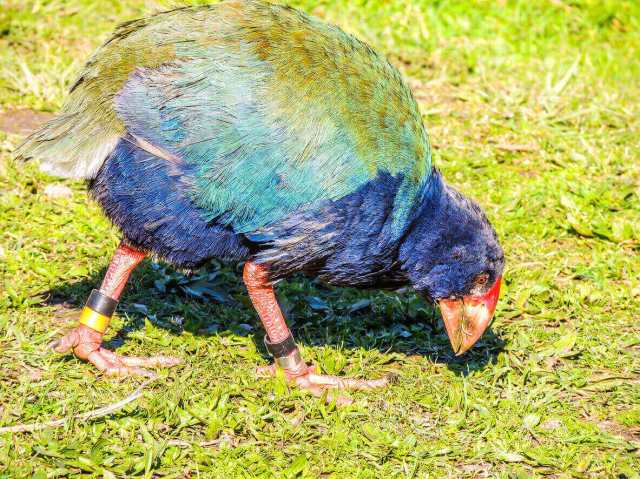
The Guardian recently reported on the return of the Takahē, a large, flightless bird that thrives in grasslands. They are colorful creatures, standing at a little over 1.5 feet tall, with a unique song.
New Zealanders consider the growing population of around 500 as a conservation win that's been a century in the making.
If you ever visit the country's South Island, where the newest birds have been released, you will likely find them hard to miss. They have large, red legs and a red beak with blue, green, and turquoise feathers among the coloring on their bodies, according to the New Zealand Conservation Department.
They thrive in the country's native grasslands, including Kahurangi National Park.
The birds are also culturally important to the natives.
"There are few things more beautiful than to watch these large birds galloping back into tussock lands where they haven't walked for over a century," Tā Tipene O'Regan, 87, a tribal elder who is among those championing the bird's return, told the Guardian.
The population was devastated just before the start of the 1900s by cats, rats, and other animals that arrived with European settlers. And while the population is growing at about 8 percent a year, the New Zealand government still lists the animal as "Threatened-Nationally Vulnerable."
There are now three sites where the government works with tribes to establish Takahē strongholds. Eighteen birds were recently released as part of an elaborate process of incubating eggs and feeding chicks with sock puppets to protect the young from predators, the Guardian reports.
The birds survive on a high-fiber diet and mate once a year, producing only one or two chicks, according to the conservation department.
TCD Picks » Quince Spotlight
💡These best-sellers from Quince deliver affordable, sustainable luxury for all




The species's decline happened when some New Zealand tribes had land "confiscated, sold, or stolen."
So, the reemergence of the unique creature could have a deeper meaning for many of the native people whose ancestors lived with a thriving Takahē population.
"I am now largely blind, but I still saw them," O'Regan told the Guardian.
Tūmai Cassidy of Ngāi Tahu, the tribe to whom the lands belong, said seeing the birds released was "incredibly significant — for me personally, being able to do it on my own land, just remembering and thinking about the seven generations of our people who fought to have our rights and our land returned."

Join our free newsletter for weekly updates on the coolest innovations improving our lives and saving our planet.
Cool Picks





