


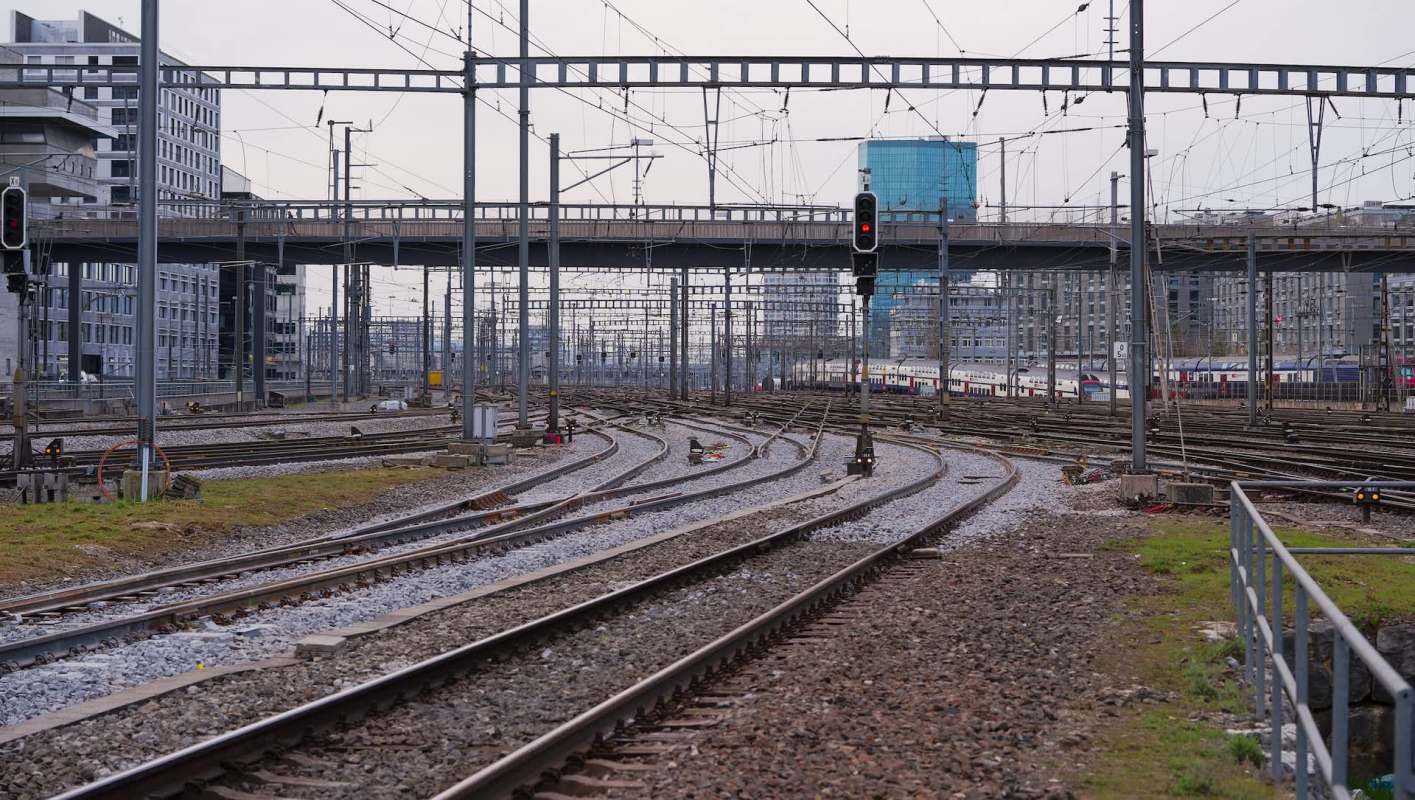
Switzerland's rail network faced repeated track deformations during a summer heat wave, with 97 cases of warping or compression highlighting the pressure extreme temperatures can put on rail infrastructure.
Swiss Federal Railways (SBB) said the incidents did not compromise safety, though an expert cautioned that heat-stressed rails can increase derailment risk.
Here's what to know
Compared with the prior year, heat-related track problems climbed sharply on the SBB network in summer 2026. SBB logged 97 cases of track warping and compression deformation, according to Swissinfo. Swissinfo, citing SonntagsZeitung, said that was nearly four times the previous year's total.
While SBB said the added deformations and settlement did not affect rail safety, Patrick Braess, a specialist at ETH Zurich, said high temperatures can increase derailment risk.
The issue comes down to how steel behaves in high temperatures. As heat rises, rails expand, and if the track structure cannot absorb that stress, it can warp or deform under compression.
The 2026 cases point to a broader challenge for transportation systems during increasingly hot summers. Rail networks depend on precision, and even small changes in track geometry can force operators to increase inspections and maintenance.
TCD Picks » Quince Spotlight
💡These best-sellers from Quince deliver affordable, sustainable luxury for all




More background
When extreme heat damages rail lines, it can disrupt commutes, freight movement, and emergency transportation while increasing risks for passengers, rail workers, and nearby communities, making it both a public safety and economic concern.
If trains must slow down, undergo additional maintenance, or temporarily alter service, workers may struggle to get to work, businesses may face shipping delays, and public agencies may face higher repair costs. Heat waves also carry direct health risks, especially for older adults, outdoor workers, and others exposed to prolonged high temperatures.
SBB's 2026 experience shows how one heat wave can repeatedly strain a rail network rather than cause a single, isolated defect in one location. The company said it routinely checks tracks with measurement and diagnostic vehicles.
The company described the heat as exceptional and, in response, created a dedicated working group after the summer of 2026.
What's being done?
SBB said it is pursuing targeted solutions rather than relying on a single quick fix. One key step is using concrete sleepers, which SBB said remain more stable than wooden ones under extreme heat stress.
Swissinfo reported that the railway is raising the welding neutralization temperature to help rails cope with higher baseline heat. The goal is to help the track structure handle expansion during hotter weather without deforming as easily.
SBB has also experimented with painting tracks white to cool them. The company said the treatment initially reduced temperatures by about 8.1 degrees Fahrenheit (4.5 degrees Celsius) on average, but after two years the benefit fell by roughly half because of soiling. Heavier traffic also wears down the effect faster.
Even with that reduced effectiveness, SBB has not ruled out the method. The company said it is still studying whether white coatings may make sense in specific situations, while its working group continues assessing where additional measures are needed.

Get TCD's free newsletters for easy tips, smart advice, and a chance to earn $5,000 toward home upgrades. To see more stories like this one, change your Google preferences here.






