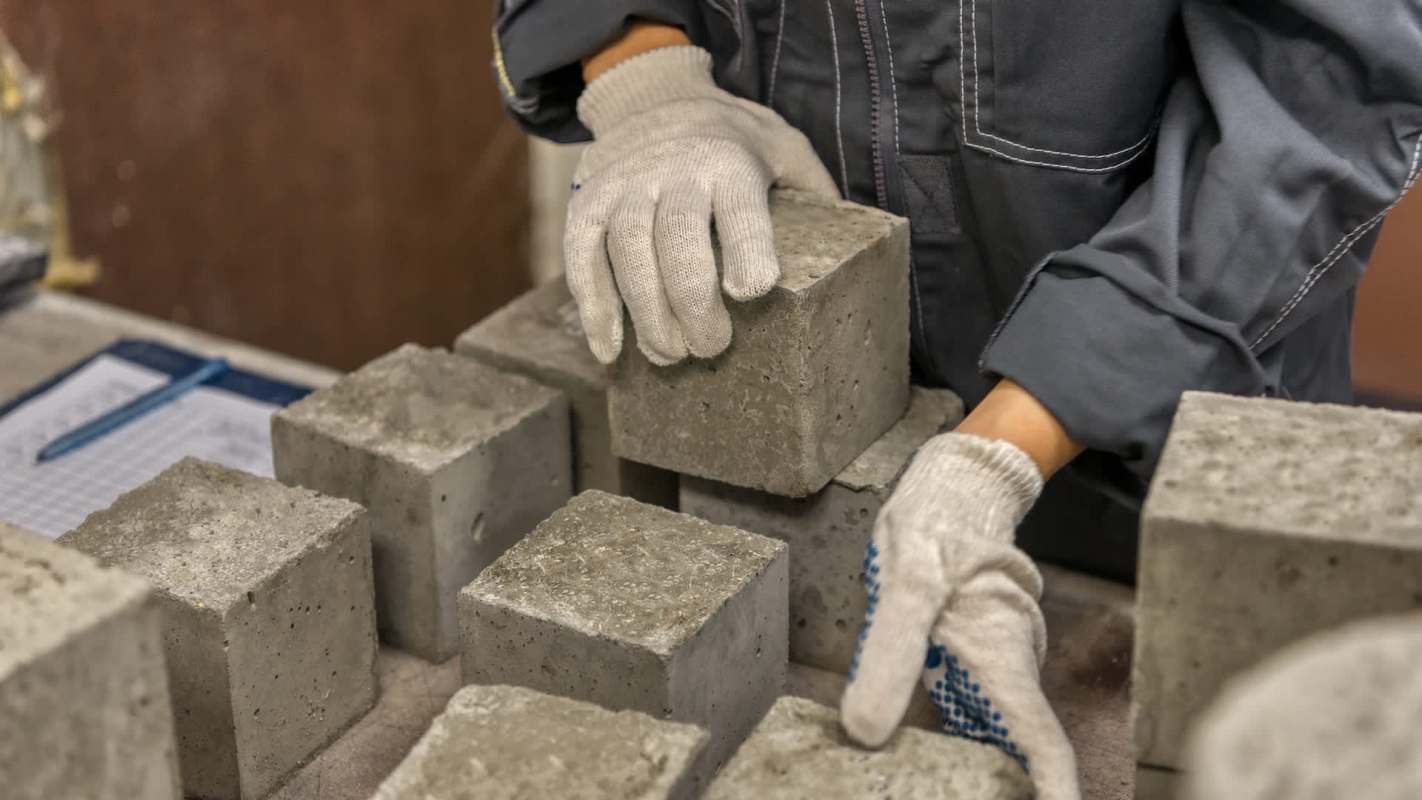
Concrete is the most used building material on the planet, but the production of it — from beginning to end — wreaks havoc on the environment, largely due to the inclusion of cement.
Fortunately, scientists around the world are finding new ways of making concrete more sustainable and less polluting — and creating the building materials of the future in the process.
1. Concrete made of desert sand

The sand traditionally used to make concrete is harvested from riverbeds or from crushing rocks, but reserves are running low. So, experts from the Norwegian University of Science and Technology and University of Tokyo are looking for a solution — in the desert.
Desert sand is considered too fine to use in concrete, but the researchers are experimenting with various production methods to figure out a mix that's strong and durable.
Read more →
2. Extending concrete's life
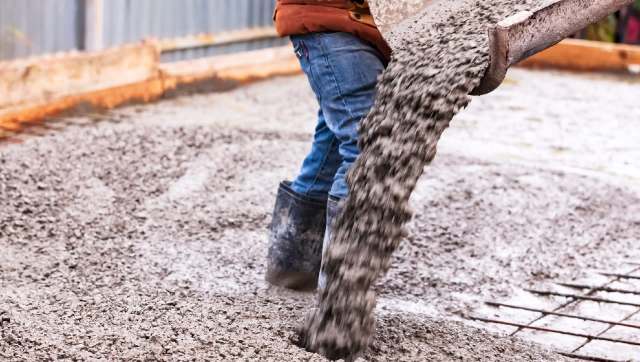
As structures begin to fail, demolition and reconstruction are inevitable but incredibly taxing, both financially and environmentally. Even when repairs can be made, concrete mixes often fall short.
That's why scientists in India are developing a mix that has not only proved stronger than traditional repair mortars but also more resistant to cracks and has a stronger bond. The substance, containing quarry dust, polymer modifiers, curing agents, and hybrid fibers, has a lower environmental impact and cost than traditional mixes.
Read more →
TCD Picks » EDF Spotlight
💡EDF's Vital Signs newsletter delivers stories about game-changing solutions close to home and around the world


3. Using readily available ingredients
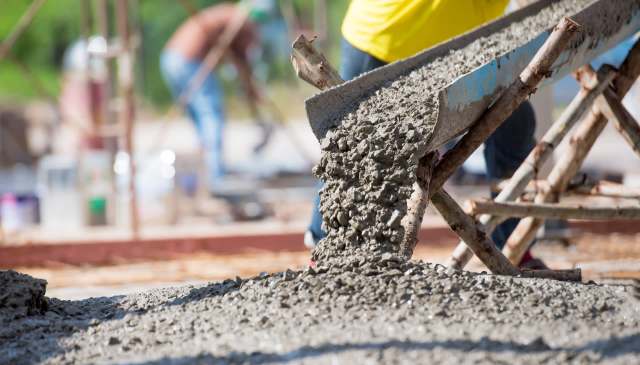
Researchers in Egypt are experimenting with ingredients to replace cement in concrete while at the same time reducing multiple types of pollution.
The mixtures are largely made up of quarry powders, which are left over when rocks are pulverized to make stone products; ground plastic, which can be made from plastic waste; and crumb rubber, which can be made from rubber waste such as old tires.
Read more →
4. Lowering demand for cement
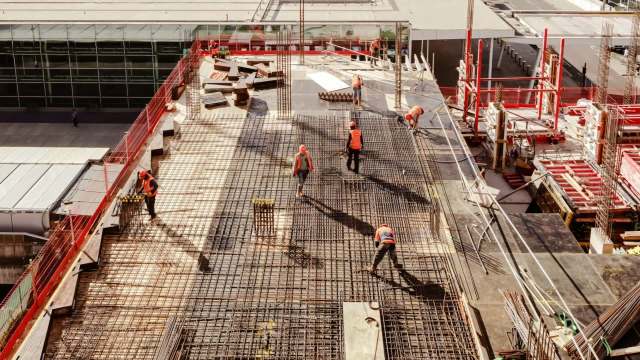
Scientists in Iran aren't looking to replace cement but rather replace a portion of it in a concrete mixture with ceramic waste dust and pozzolans — materials with properties similar to cement when mixed with lime.
The team tried several mixtures with different percentages of ceramic dust and pozzolans, along with different curing times. It found that a ratio of 15% pozzolan and 10% ceramic dust resulted in improvements in concrete quality. It only used 25% less cement, but it's a step in the right direction.
Read more →
5. Mining byproducts as binder materials
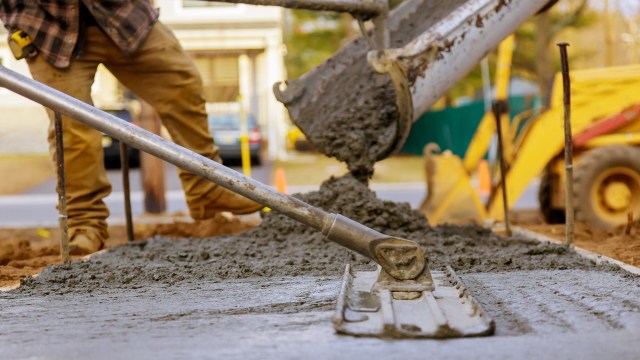
Mining lithium is essential to many clean energy technologies, but the process leaves behind hazardous byproducts such as delithiated beta spodumene. Scientists in Australia are developing a geopolymer concrete mix that uses DBS as a binder material in place of traditional binder materials such as fly ash, which is a byproduct of burning coal.
The environmental impacts go well beyond replacing fly ash. Using DBS in this way removes it from the environment, where it can contaminate soil and groundwater.
Read more →

Get TCD's free newsletters for easy tips, smart advice, and a chance to earn $5,000 toward home upgrades. To see more stories like this one, change your Google preferences here.
Cool Picks