



As the booming airline industry looks for ways to reduce its impact on the planet, researchers revealed that sustainable aviation fuel could be produced from municipal solid waste.
The study, published in Nature Sustainability, said such a program could meet 28% of global jet fuel demand and lessen air pollution by 16%, Space Daily reported.
Sustainable aviation fuel, which the outlet described as "a low-carbon alternative made from feedstocks such as used cooking oil and crops," is not the only way innovators are looking to revamp environmentally costly flights. One group is turning back the clock with a propeller design to reduce fuel burn, and another is transforming microalgae into biofuel.
Still, less than 1% of global jet fuel use comes from sustainable fuels, Space Daily noted, adding that aviation accounts for 2.5% of worldwide pollution and that air travel will double by 2040. (Other options are plentiful.)
"Unlike road transport, which is quickly shifting toward electrification, there's no silver-bullet solution for achieving carbon-neutral aviation," first author Jingran Zhang said. "Turning everyday trash into jet fuel could be an innovative but major near-term step toward cleaner aviation. By converting municipal waste into low-carbon jet fuel that already works in today's engines, we can start cutting emissions immediately, without waiting for future technology."
Turning trash into fuel would have major benefits. First, it would reduce air pollution by 80-90% compared with traditional aviation fuel. It would also convert plastic, metal, and other garbage into an important product, replacing the need to store those unwanted goods in landfills or burn them. That would produce clean energy, herald the arrival of zero-waste goals, lessen pollution, and conserve land, according to Space Daily.
Perk up the winter blues with natural, hemp-derived gummies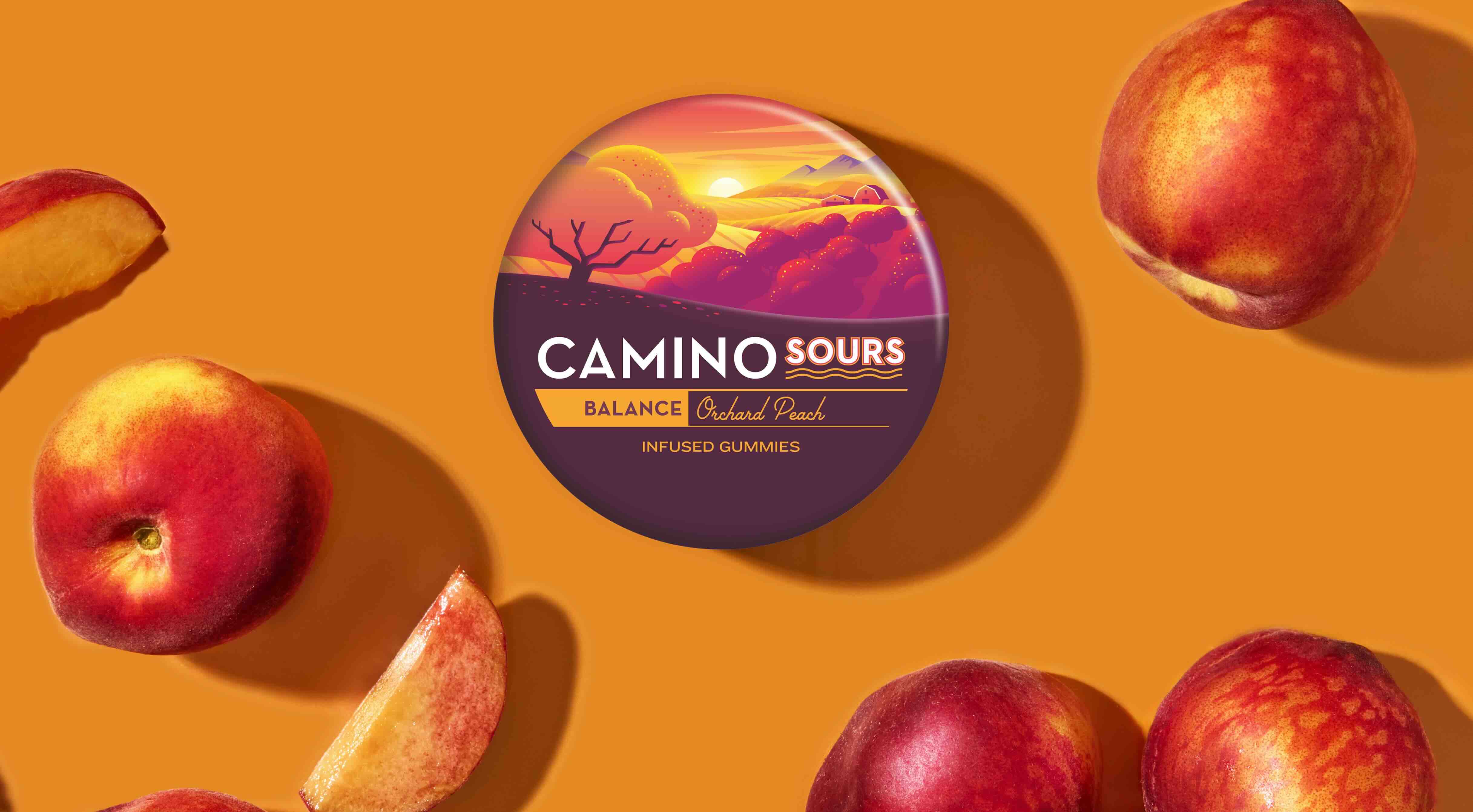 Camino's hemp-derived gummies naturally support balance and recovery without disrupting your routine, so you can enjoy reliable, consistent dosing without guesswork or habit-forming ingredients. Flavors like sparkling pear for social events and tropical-burst for recovery deliver a sophisticated, elevated taste experience — and orchard peach for balance offers everyday support for managing stress while staying clear-headed and elevated.
Learn more → |

One problem with the idea is that only one-third of the trash was converted into fuel due to "gas composition mismatches," the website pointed out. The researchers said adding carbon dioxide or green hydrogen to the mix would boost the effort.
"Efficiency could be improved by capturing carbon dioxide or adding green hydrogen, produced with renewable power, during processing," Space Daily stated.
The economic benefits would include savings for airlines that already gain from government incentives and subsidies that encourage the use of more environmentally friendly fuels. The United States and Europe have said they will greatly reduce aviation pollution by using sustainable fuels, with the latter to move from a 2% share this year to a 70% share by 2050.
"Broad collaboration among governments, fuel producers, airlines, and aircraft manufacturers will be essential to increase production, lower costs, and accelerate aviation's path to net-zero emissions," lead author Michael B. McElroy said.
TCD Picks » Upway Spotlight
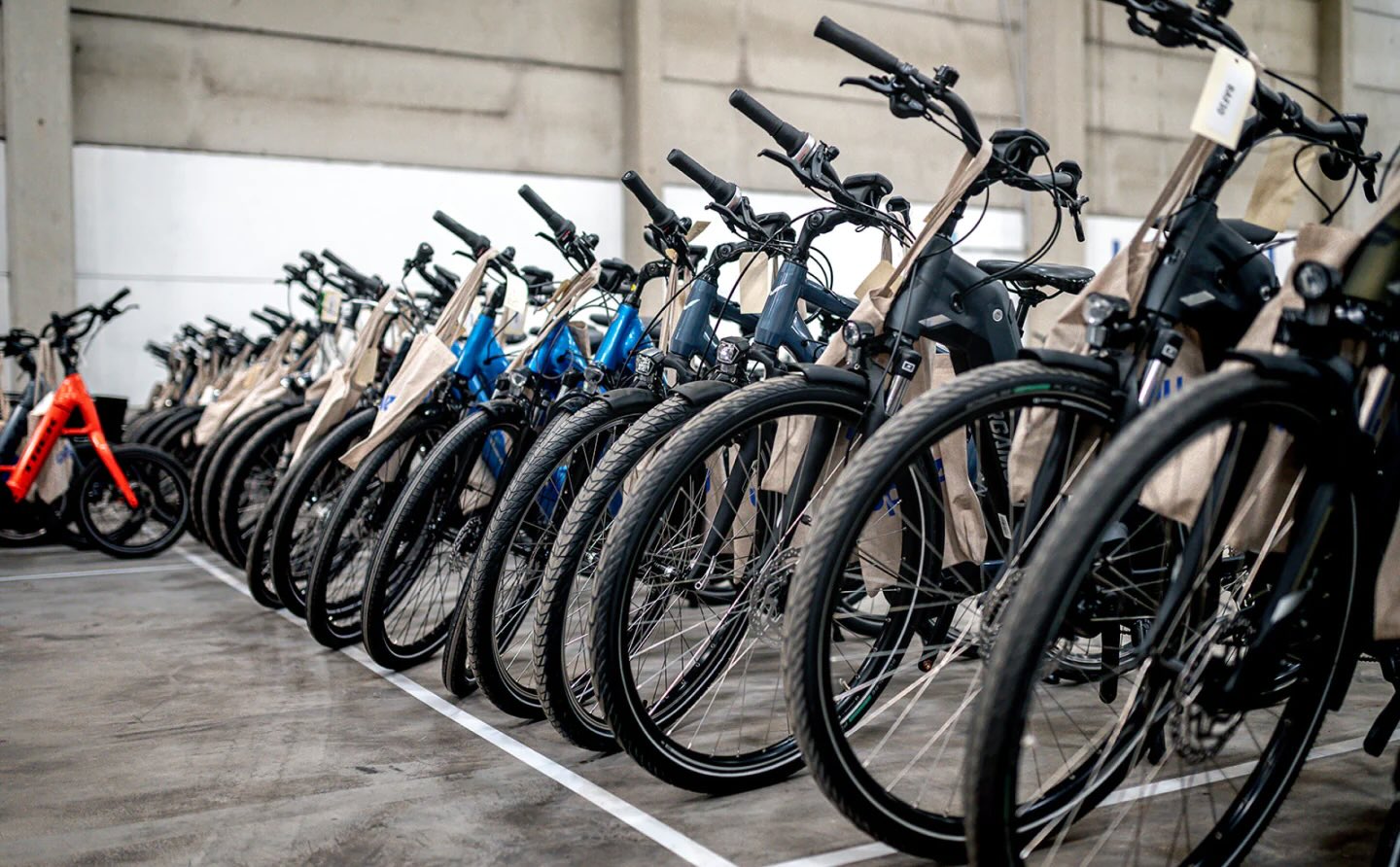
💡Upway makes it easy to find discounts of up to 60% on premium e-bike brands




|
Would you trust a wingless jet on a cross-country flight? Click your choice to see results and speak your mind. |
 No way 🙅
Get TCD's free newsletters for easy tips to save more, waste less, and make smarter choices — and earn up to $5,000 toward clean upgrades in TCD's exclusive Rewards Club.
Cool Picks





