


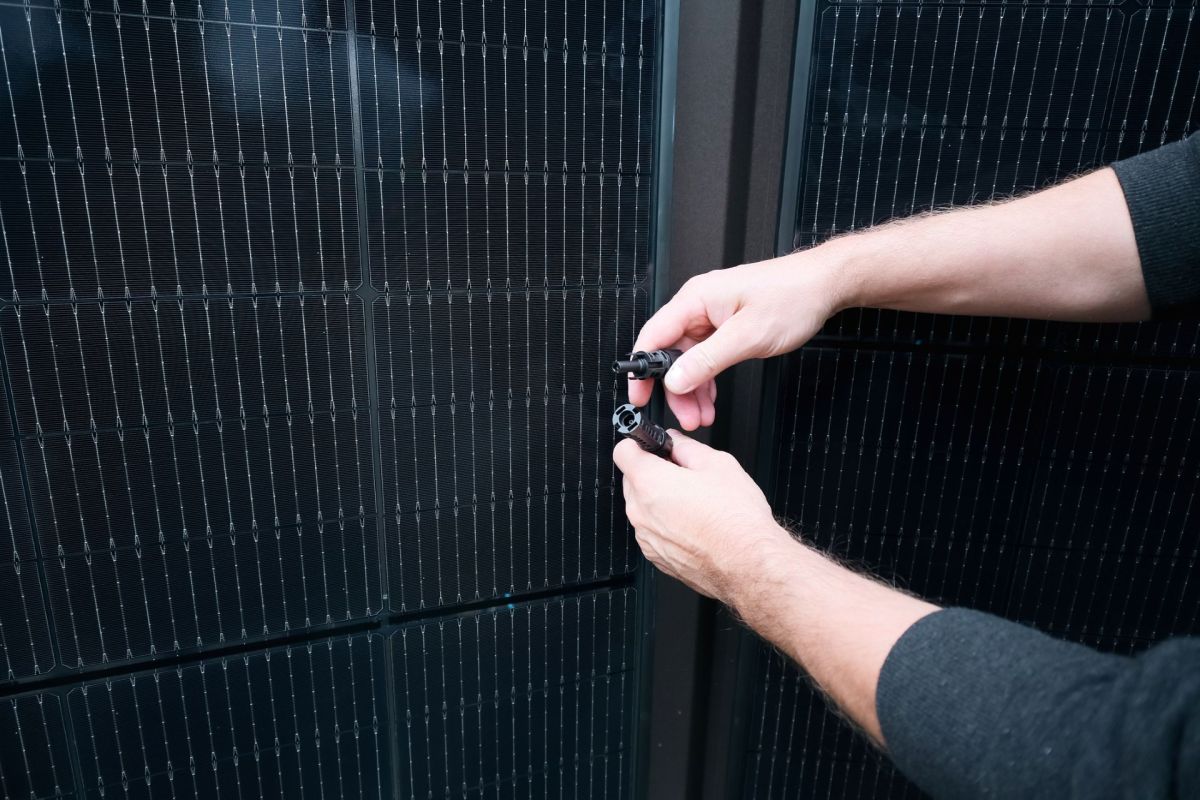
Plug-in solar kits priced at roughly £500 (~$627 USD) are now expected to reach the U.K. market in August, giving consumers a far cheaper way to test out home solar.
That cost is much lower than a conventional rooftop setup, which could make getting started far easier. But, as The Conversation reported, the success of the rollout is dependent on the government's next steps.
What's happening?
Lidl and Iceland are among the retailers working with the government on bringing plug-in solar kits to the UK, the outlet noted. The push follows regulatory changes that would allow small systems to send electricity into a home through a standard plug.
Current proposals would allow plug-in systems up to 800 watts. The Conversation said that, depending on where they are positioned, those setups could generate about 200 to 500 kilowatt-hours a year, or roughly one-tenth of a typical household's energy use.
Even with that progress, experts say there are still practical concerns to address. Dylan Ryan, a lecturer in Mechanical & Energy Engineering at Edinburgh Napier University and the piece's author, said some older electrical systems may not be suited to this kind of power flow, and he also raised concerns about lower-quality products being sold online.
Additional restrictions may also come into play for people in rental homes, shared buildings, flats, or conservation areas.
TCD Picks » Quince Spotlight
💡These best-sellers from Quince deliver affordable, sustainable luxury for all




Why does it matter?
For households, the main draw of plug-in solar is simple. It's a cheaper way to produce some of your own electricity and lower energy bills.
Performance, however, depends heavily on the setting. Ryan wrote that balcony solar is not well suited to shaded or north-facing spaces, and that panel angle matters too.
"Without this angle, performance could be cut by 30-45 per cent," he contended.
The advertised purchase price is not the whole picture, since safety fixes and installation needs can add extra cost. Ryan warned that "you can't just run a cable in through an open window as that wouldn't be safe."
As a result, some homes may need a weatherproof outdoor socket, and once an electrician is required, a direct hardwired setup may start to look more practical than a basic plug-in kit. In some situations, households may also need planning permission or may need to check with insurers, per the Conversation.
Unused electricity creates another complication. As the outlet reported, export payments are usually lower than the retail cost of grid electricity, so many households would want to consume most of the solar power they generate themselves.
A battery can help with that, but it can also add several hundred pounds to the upfront cost.
What's being done?
Before the systems reach shoppers, the U.K. government says it will put new product standards and safety protections in place. Ryan highlighted one specific hazard.
"'Anti-islanding' refers to the danger that the plug prongs are live for a short time after being unplugged," he wrote.
He also said householders would still need to contact their district network operator and submit a G98 notification stating that the system could send electricity back to the grid. Ryan added that it remains unclear how easy that process will be.
In conclusion, Ryan said the technology could help more people try solar, but only if the rollout is handled carefully.
"By quickly addressing some of these practical issues, the government can encourage a wider shift to solar power," he said.

Get TCD's free newsletters for easy tips, smart advice, and a chance to earn $5,000 toward home upgrades. To see more stories like this one, change your Google preferences here.






