


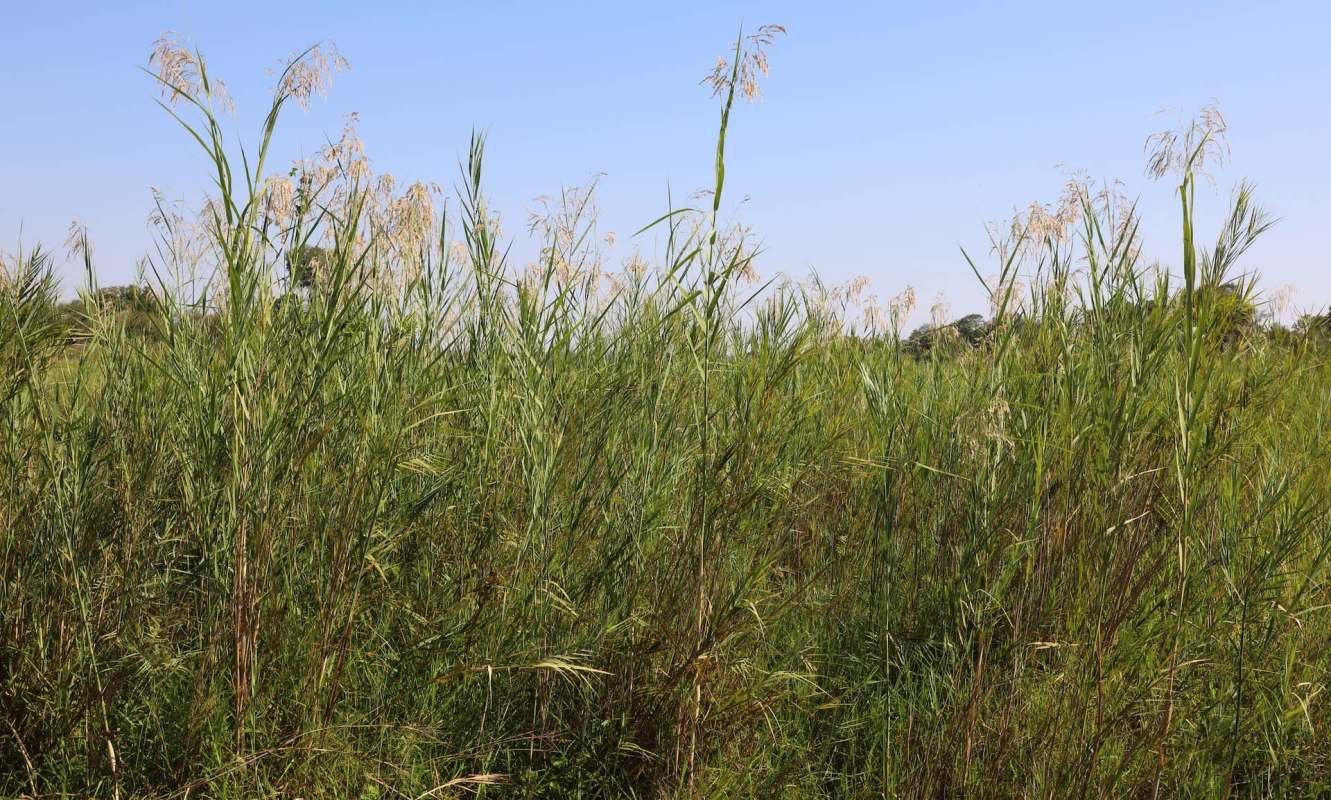
Minnesota may still have something many states no longer do: a real chance to stop an invasive reed before it permanently transforms wetlands across the state.
Healthy wetlands help store water, support biodiversity, and make local landscapes more resilient for nearby communities.
What's happening?
In Minnesota, researchers and state partners are trying to contain invasive phragmites, a tall European reed grass that can crowd out native plants and dry out wetlands.
Many infestations in the state remain small enough to eliminate, the Star Tribune reported.
Part of that effort involves identifying the plant in the field.
Alexis Kreider, a researcher at the Minnesota Aquatic Invasive Species Research Center, has been helping with that work, distinguishing the invasive subspecies from native phragmites even though they can look very similar.
TCD Picks » Quince Spotlight
💡These best-sellers from Quince deliver affordable, sustainable luxury for all




The invasive form acts very differently, spreading aggressively and disrupting sensitive wetland ecosystems.
Daniel Larkin, a professor and extension specialist with the Minnesota Aquatic Invasive Species Research Center, said Minnesota is in "this kind of unique spot where we have a lot of it, but where there are management options that are effective."
About 75% of infestations are in the metro area and are often smaller than a tennis court.
Since the first confirmed case in 2009, Minnesota has logged more than 2,500 phragmites sites, and Chelsey Blanke, a researcher at the Minnesota Aquatic Invasive Species Research Center, said roughly one-third are no longer showing up.
Why does it matter?
Wetlands absorb floodwater, help protect water quality, and create habitat for fish, birds, and pollinators. When invasive phragmites takes hold, those benefits can start to erode.
One reason is the plant's heavy water use. It pulls substantial moisture from the soil and releases it into the atmosphere through transpiration.
Over time, that can turn wetland areas into drier, more terrestrial landscapes, reducing biodiversity and weakening ecosystems that nearby communities depend on.
Once it is established, the plant is also hard to control. It can spread through seeds, stem fragments, above-ground shoots, and underground rhizomes, which means methods like mowing or burning may not solve the problem and can sometimes make the spread worse.
In other states, infestations have already become much larger.
What's being done?
Larkin said the effort brings together counties, watershed districts, and state natural-resource officials in what he sees as a rare statewide model for phragmites control.
After infestations are confirmed, the DNR brings in contractors for yearly herbicide applications, with the research center coordinating the work.
Imazapyr, the preferred herbicide, stays active long enough to reach and kill the plant's large root network. Treatment usually takes two to three years.
Another goal of the program is to avoid unnecessary chemical use.
"We really try to find these patches when they're small and where the treatment can be targeted, so that there's as little herbicide being put on the landscape as possible," Larkin said.
Residents are also an important part of the response because the program depends in part on people spotting and reporting suspicious patches.
Blanke said, "What we really want is people to be looking out for it, reporting it, and then treatment deployed as quickly as possible."
Landowners can get removal through the statewide program without charge.
Blanke said, "We're preventing it from becoming this really huge problem."
She added, "It's a hopeful thing. It's not always the case with invasive species issues."

Get TCD's free newsletters for easy tips, smart advice, and a chance to earn $5,000 toward home upgrades. To see more stories like this one, change your Google preferences here.






