


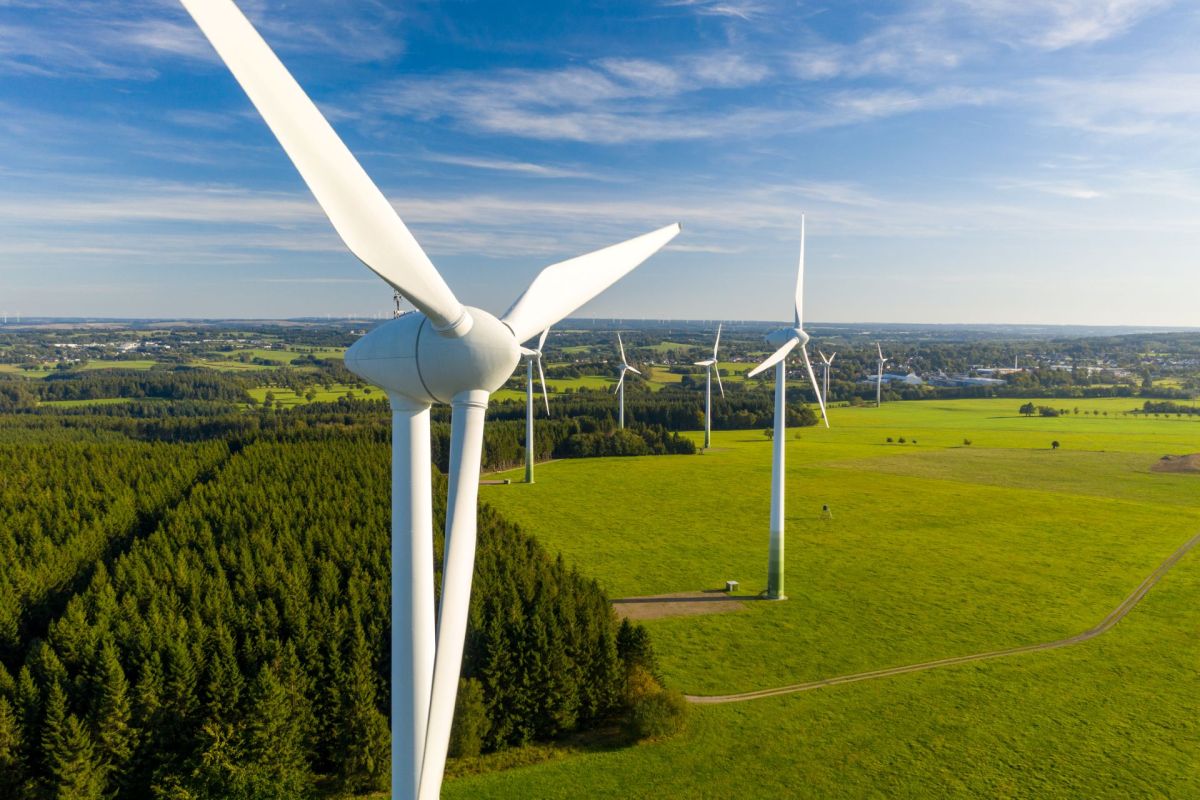
When the wind blows, and nobody needs the electricity, store it in hot carbon blocks for later. That is the idea behind a massive new battery project in South Dakota that is giving unwanted wind power a second life.
Antora Energy, a California startup, is building a 5-gigawatt-hour storage system for biofuels company POET at its Big Stone City ethanol plant. As CleanTechnica reported, the project uses more than 200 solid carbon blocks and ranks among the world's largest energy-storage installations.
During off-peak hours, the system will absorb low-cost wind electricity that would otherwise be curtailed due to low demand. When the plant needs energy, the blocks will release high heat directly or generate electricity through thermophotovoltaic cells, a technology often compared to a giant toaster oven because it captures light from superheated materials.
As CleanTechnica reported, the project was completed in under a year and is being brought online in phases, with full power expected by October. It arrives at a key moment for wind in the United States, which, according to Wood Mackenzie, provides about 12% of U.S. electricity and ranks as the nation's fourth-largest power source.
Wind farms often produce their cheapest electricity when fewer people need it. Without storage, that power can go to waste, and turbine owners lose revenue when operators tell them to dial back production. Systems like this help wring more value from existing wind farms, rather than leaving clean energy on the table.
That has benefits beyond the grid. POET plans to use the stored energy to reduce the natural gas burned at its ethanol plant, cutting fuel costs while lowering planet-heating pollution and other air pollution tied to nonrenewable energy sources. Cleaner industrial sites can also mean healthier air for nearby communities.
TCD Picks » Quince Spotlight
💡These best-sellers from Quince deliver affordable, sustainable luxury for all




Better storage could also help make the power system more dependable and less expensive over time. If utilities and large manufacturers can use more low-cost renewable electricity instead of wasting it, cities and companies have another way to control costs that might otherwise be passed on through higher prices.
Antora has spent years moving thermophotovoltaic technology from the lab toward the factory floor. The company, which spun out of MIT research and received support from the U.S. Department of Energy, reported a 40% conversion efficiency in 2022 by running its cells at extremely high temperatures.
It is now scaling up production in California. A pilot facility in Sunnyvale is already producing the specialized cells, and, as CleanTechnica reported, a larger commercial plant in San Jose is in development. Antora says its thermal batteries are built as integrated modules, which should make them easier to ship and install at industrial sites.
That could give more factories a practical path to replace volatile fossil gas with stored wind or solar energy, especially in regions with abundant renewables. Other companies are also exploring ways to match 24/7 industrial operations with excess clean electricity, helping more renewable power find a useful home instead of being curtailed.
"They're taking excess wind energy that doesn't have a home on the grid and otherwise would be wasted, and they're capturing that," POET president and COO Jeff Lautt told South Dakota News Watch in a recent interview, according to Clean Technica.
"Nobody's got a switch for the wind, so it blows when it wants to blow," Lautt added.

Get TCD's free newsletters for easy tips, smart advice, and a chance to earn $5,000 toward home upgrades. To see more stories like this one, change your Google preferences here.






