


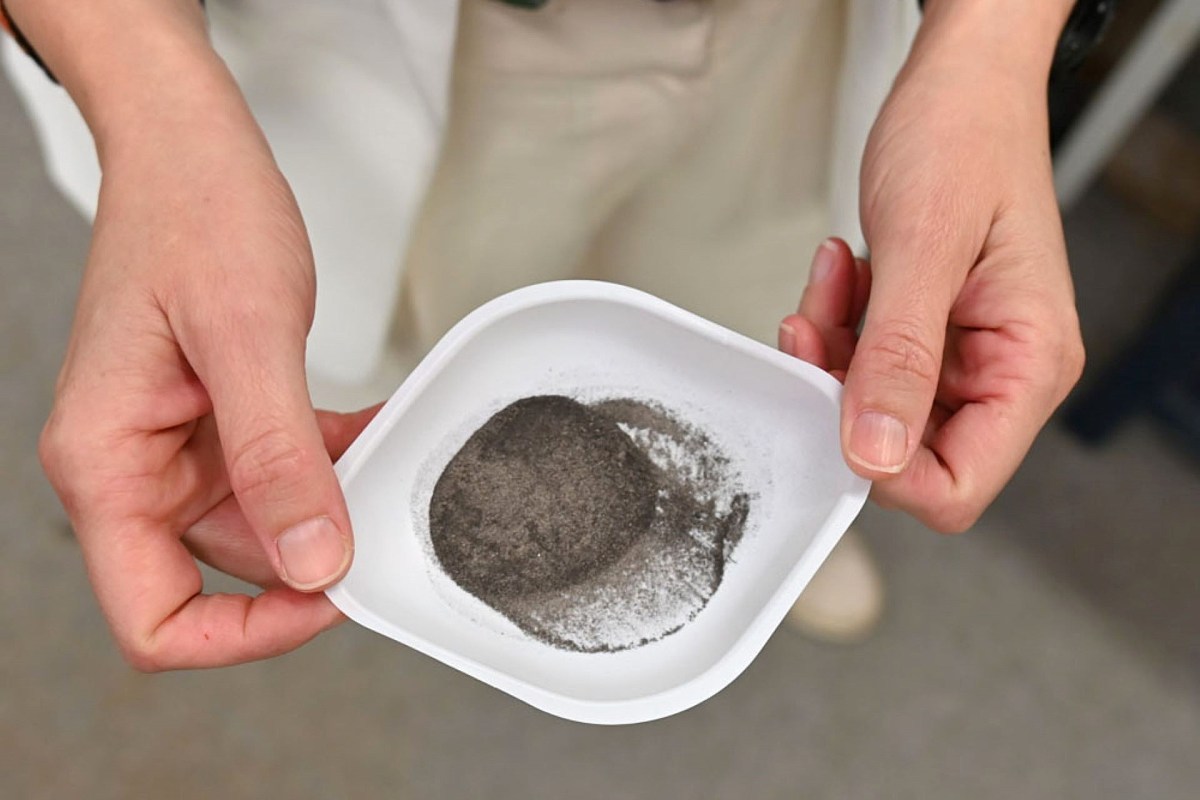
Old solar panels contain only a tiny amount of silver by weight, but that small fraction carries enormous value.
Australian researchers say stainless steel could offer a practical way to recover much of that metal instead of letting it go to waste, according to a study covered by pv magazine.
What's happening?
The study brought together researchers from the University of Newcastle in Australia, CSIRO Energy, and PV Industries to examine how electrochemical conditions shape silver recovery from end-of-life solar modules.
The work was published in Electrochimica Acta under the title: "A parametric analysis of electrochemical variables in silver recovery for solar module recycling."
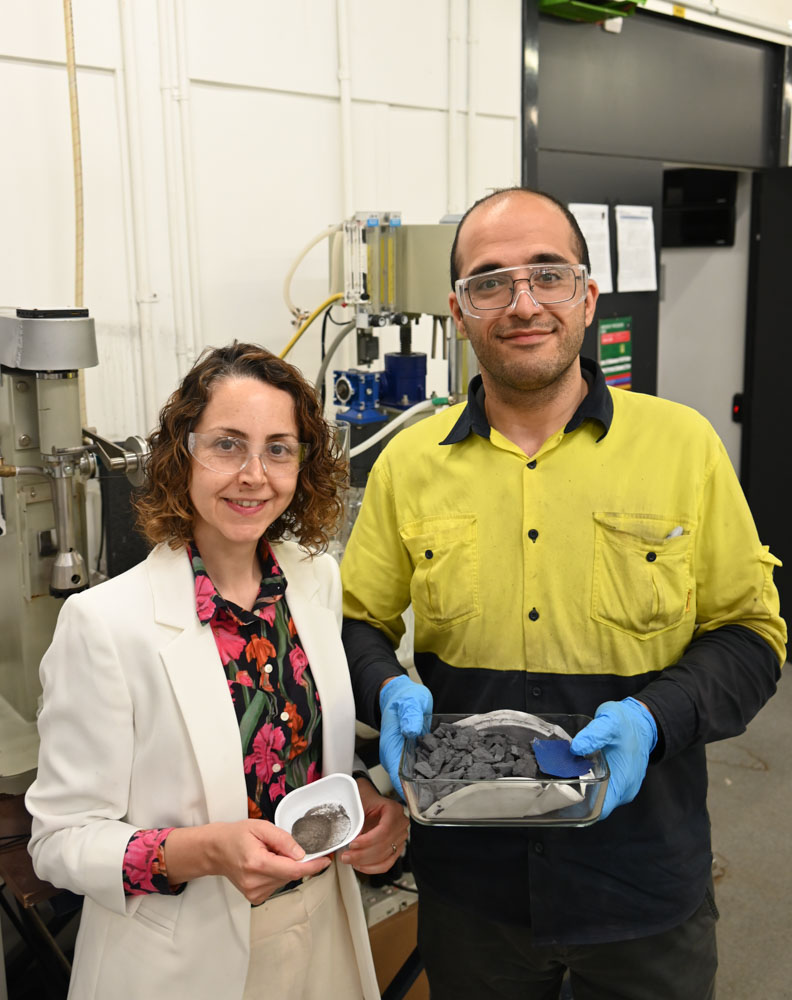
Using a nitric-acid-based electrolyte meant to mimic dissolved silver from recycled solar cells, the team compared silver, 316L stainless steel, copper, and graphite as cathodes while focusing on three variables: electrode material, current density, and copper contamination.
The value at stake is substantial.
TCD Picks » Quince Spotlight
💡These best-sellers from Quince deliver affordable, sustainable luxury for all




"Although silver represents only around 0.03% of the weight of a complete PV module, it accounts for half of the material value," the authors explained.
They also warned that if current trends continue, "85–95% of the world's silver reserves could be locked away in PV modules by 2050."
Not every material performed equally well.
Graphite failed to produce a consistently stable silver deposit, and the copper cathode dissolved into the electrolyte during deposition, while 316L stainless steel came close to matching silver itself.
Recovery improved as current density increased, but only up to -35 mA cm⁻²; beyond that level, performance deteriorated.
Why does it matter?
Solar panels help reduce pollution while generating affordable electricity, but the industry also has to account for what happens when those panels reach the end of their useful lives.
Improved recycling methods can keep valuable materials in circulation and reduce how much equipment ends up discarded.
That is especially important for silver, which remains expensive and difficult to replace at scale.
Recovering more of that metal could help lower recycling costs and improve the economics of manufacturing new solar technology.
When recyclers can capture more value from old panels, it becomes easier to build a cleaner energy system without relying as heavily on newly mined materials.
Mining and refining metals can require large amounts of energy and water while also contributing to air and water pollution.
More effective recovery from retired solar equipment can ease pressure on raw extraction and support more affordable clean energy, which means cleaner air in communities.
What's being done?
The study helps pinpoint the operating conditions that could make large-scale silver recovery more reliable, and stainless steel stands out as a stable candidate among the materials tested.
Higher current density increased recovery and Faradaic efficiency to a point, while copper in the solution changed the electrochemical behavior and influenced the shape of the silver deposit.
At the concentrations tested, however, the recovered silver showed no evidence of copper co-deposition.
"It was found that stainless steel delivered comparable performance to silver, achieving an average recovery rate of 93% and a Faradaic efficiency of 92%, while offering greater stability and avoiding contamination of the deposited silver," the researchers reported.

Get TCD's free newsletters for easy tips, smart advice, and a chance to earn $5,000 toward home upgrades. To see more stories like this one, change your Google preferences here.






