


According to Ohio's Country Journal, the spotted lanternfly, an invasive insect, has steadily expanded in recent years and is now considered established across all of Ohio.
What's happening?
What began as a more limited quarantine has widened again and again. Ohio first quarantined 14 counties, then 32, and now the entire state is covered as the pest continues to spread.
Ohio Department of Agriculture Director Brian Baldridge said, "About 2021 is when we first started seeing it."
Its rapid spread is partly tied to how easily it gets moved from place to place.
Baldridge described the spotted lanternfly as a "hitchhiker" that is often carried on vehicles, railcars, and equipment.
"If you look at when it got to the United States, and kind of worked its way through Pennsylvania into Ohio, it was along the rail spurs," he said. "They were probably on rail cars, and we saw it starting to branch out from that area."
TCD Picks » Quince Spotlight
💡These best-sellers from Quince deliver affordable, sustainable luxury for all




Officials say the insect becomes easier to identify later in the summer.
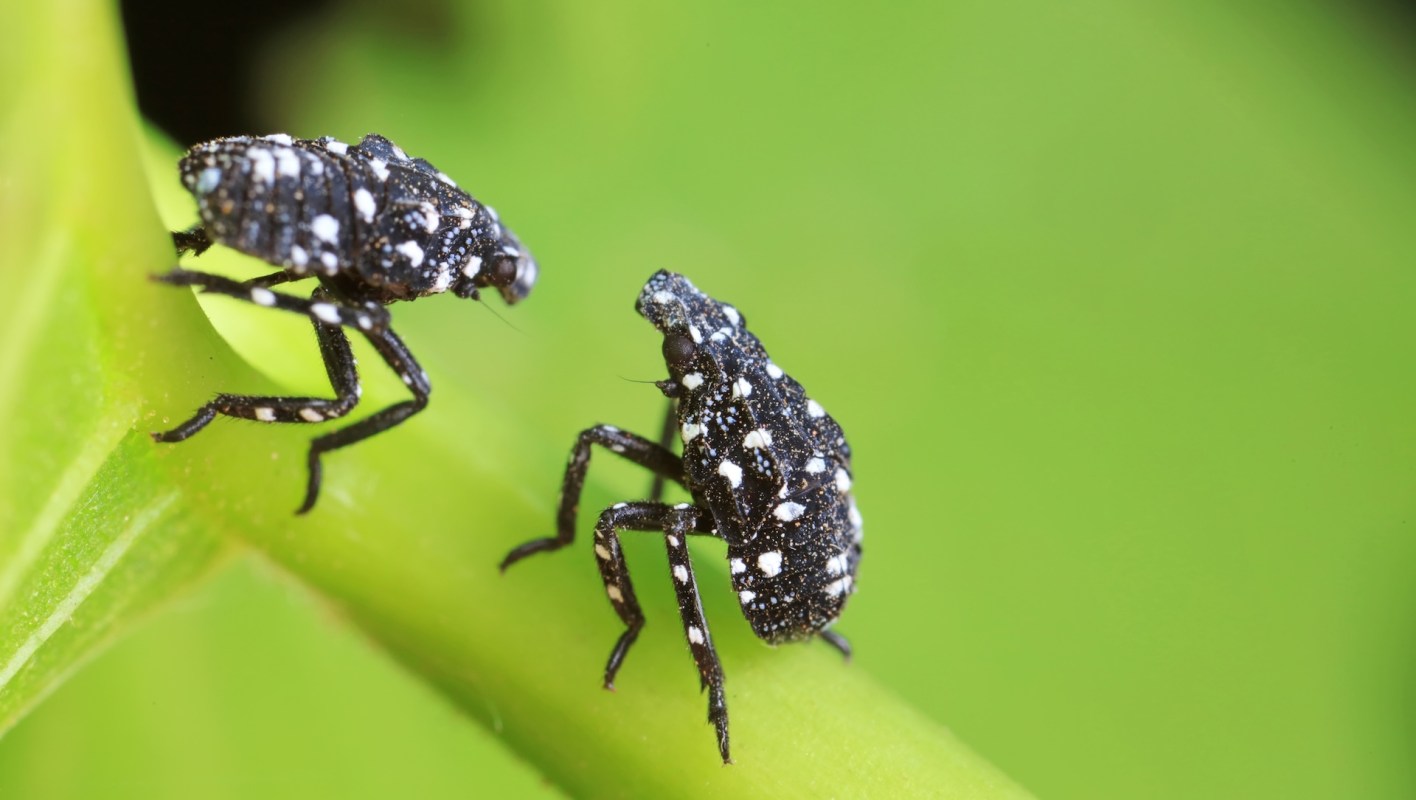
For now, many Ohioans are seeing it in the nymph stage — small, black, and covered with white spots — but by August it grows larger and develops brighter red coloring and wings.
Why does it matter?
Among the many plants spotted lanternflies feed on, grapes represent one of Ohio's biggest concerns.
Baldridge said, "Our wine industry, our vineyards, they're the ones that they really go after."
Certain host plants can also help the pest thrive. Along with ornamental and landscape plants, spotted lanternflies are attracted to tree-of-heaven, an invasive tree species already found in parts of Ohio. The more host plants they find, the easier it is for populations to build.
Tending fruits, vegetables, and other plants can help families save money on produce, enjoy fresher and better-tasting food, and support both mental and physical health. An invasive pest that stresses plants or makes outdoor spaces less enjoyable can chip away at those benefits, especially during peak growing season.
What can I do?
Officials say one of the most useful first steps is learning how the insect looks at different stages of the season.
"Right now they're kind of in that dime-size or under-size stage," Baldridge said. "They're kind of black with white spots on them. They hatch in April, so this is what we call the nymph stage."
People can also inspect their property for host plants the insect prefers, especially tree-of-heaven.
"The message we want to get out to property owners is to take a look at their yard and realize what is there," Baldridge said. "If you can remove plants like the tree-of-heaven, it's going to be one less host out there for it."
Officials also recommend killing spotted lanternflies when you see them, and Baldridge said soapy water may help deter them.
"We still say, if you see them, squish them and take care of business," Baldridge said.
He added, "Just educate yourself, understand where it likes to live in your yards or on your farm, and then what you can do to kind of deter this pest from being around."

Get TCD's free newsletters for easy tips, smart advice, and a chance to earn $5,000 toward home upgrades. To see more stories like this one, change your Google preferences here.






