Spinosaurs are already among the strangest dinosaurs scientists have studied. With crocodile-like jaws and an apparent taste for fish, they have long stood apart from more familiar meat-eating theropods.
Now, as Science reports, new research suggests they may have had another unusual adaptation in the form of salt glands above their eyes that helped them shed excess salt while living or feeding in brackish environments.
What's happening?
A study published in Historical Biology says some spinosaurs may have used salty tears to cope with briny estuaries and marshes.
Paleontologist Andrea Cau and colleagues examined fossils from multiple spinosaur species and reported what they described as the first complete set of skeletal signs for a supraorbital salt gland in a non-avian dinosaur.
The main clue was a distinct hollow above the eye in certain skulls, which may have housed the gland and the blood vessels tied to it, as Science noted.
"In high-salinity environments, these glands help the animals solve the problem of excreting salt," Cau said.
TCD Picks » Quince Spotlight
💡These best-sellers from Quince deliver affordable, sustainable luxury for all




If that interpretation is correct, it would add to growing evidence that spinosaurs were not just large predatory dinosaurs, but semiaquatic specialists adapted to estuarine and marsh ecosystems.
Why does it matter?
Still, the idea is not settled. Some Spinosaurus skull fragments from Morocco and elsewhere do not seem to show the same pocket, leaving open the possibility that the feature is an artifact rather than a trait shared across multiple species.
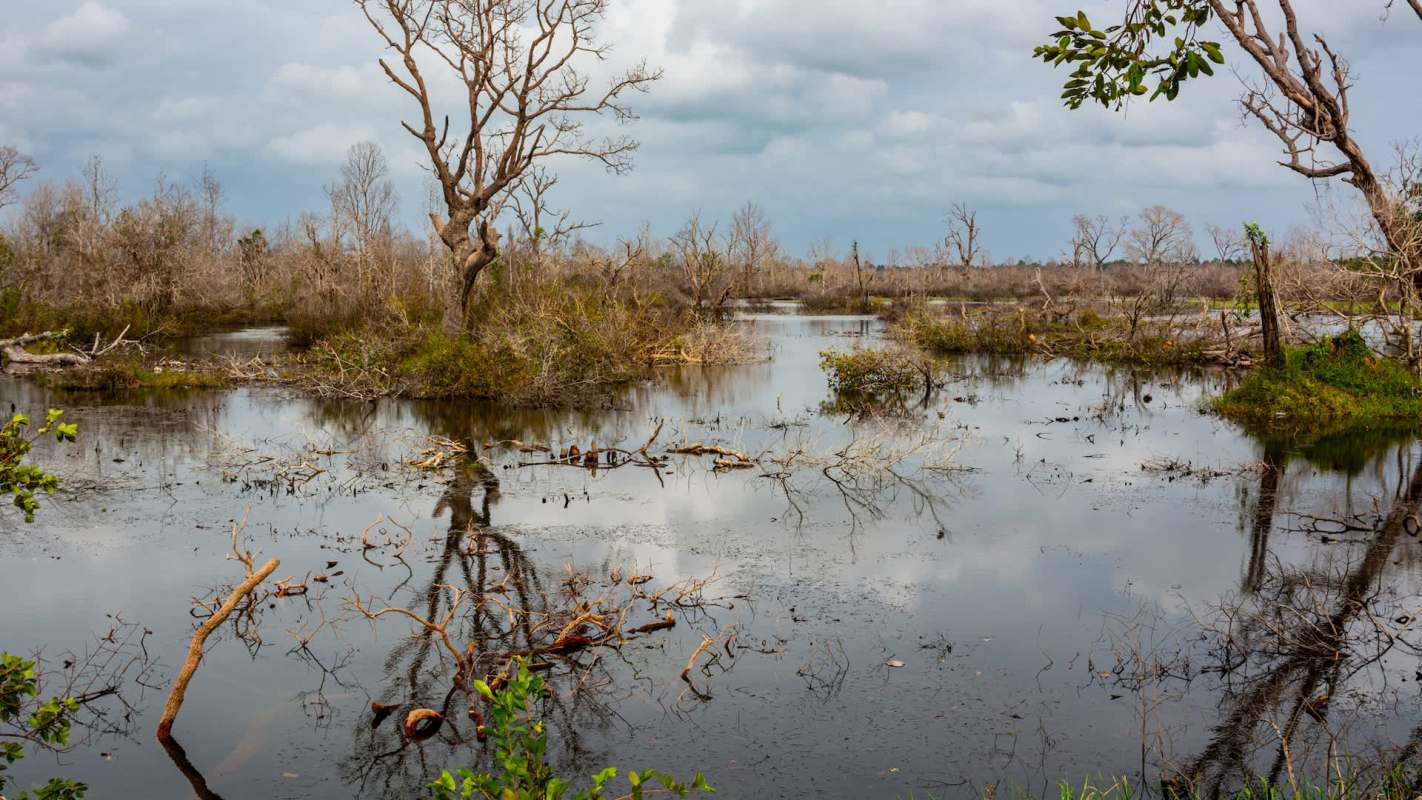
Brackish wetlands and estuaries would have posed a major physiological challenge for most land predators. Animals exposed to high salt levels generally need specialized ways to manage that stress.
If spinosaurs really did have salt glands, it would strengthen the case that they occupied a more aquatic niche than other large predatory dinosaurs. That would further distinguish them from better-known theropods and could reshape scientists' understanding of dinosaur ecosystems.
The nuance of whether spinosaurs were swimming actively in the water or wading more for their prey remains an open debate, even with the glands.
Fossils can also offer clues to how an animal ate, where it lived, and what environmental pressures shaped its survival. This study shows that the work is really never done in examining these specimens for new insights.
What's being done?
The study gives paleontologists a clearer set of skeletal clues to search for in museum collections and future discoveries. Fossils that once may have seemed too incomplete to answer questions about behavior could become more useful when examined for these features.
Spinosaurs have long been at the center of debates over swimming, wading, and fishing behavior, and this latest proposal feeds directly into that conversation. Cau told Science he doesn't want the mystery over its ancient habitats to dominate the discourse.
"The biology of this dinosaur is more than just the debate about its aquatic adaptations," Cau concluded.

Get TCD's free newsletters for easy tips, smart advice, and a chance to earn $5,000 toward home upgrades. To see more stories like this one, change your Google preferences here.