


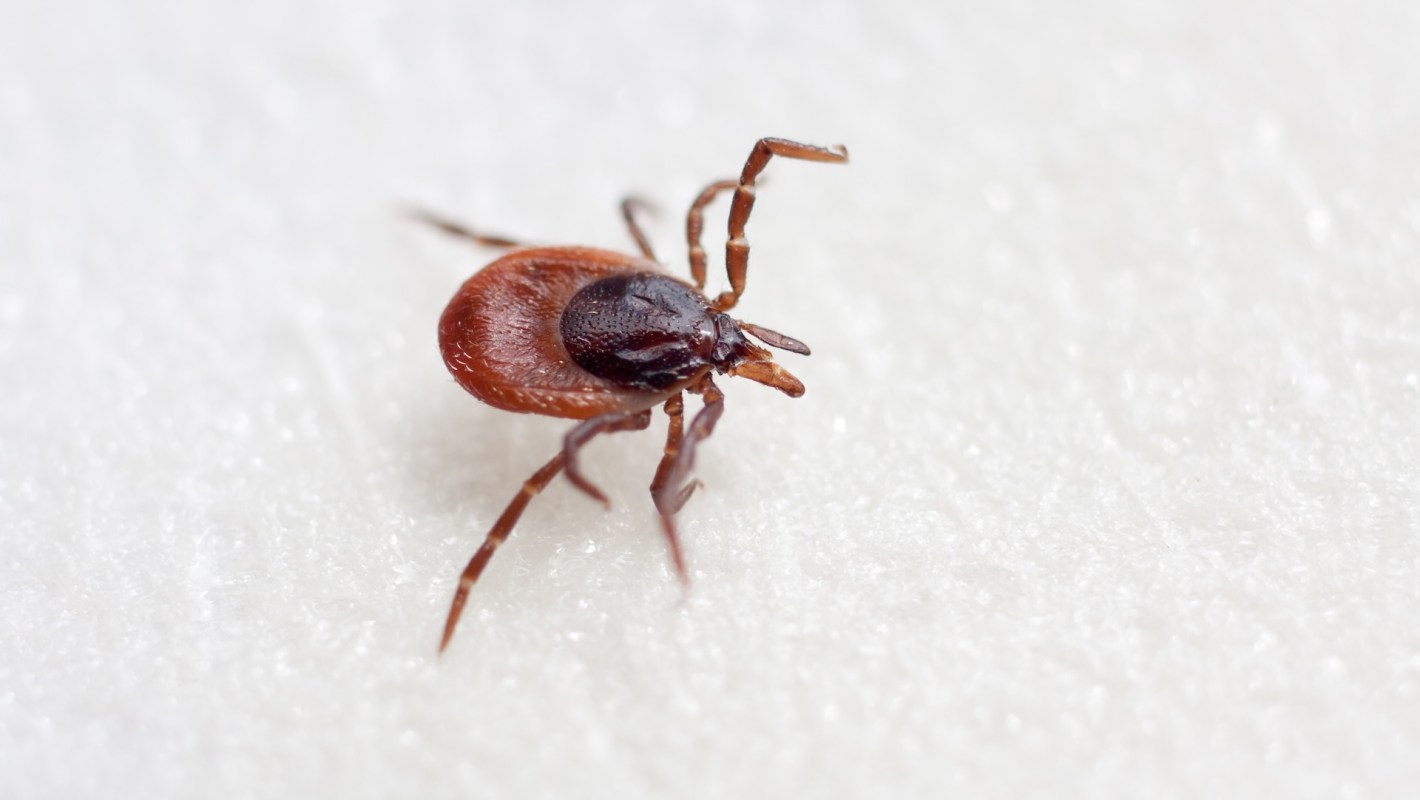
Spain has confirmed its first fatality linked to a locally acquired case of Crimean-Congo hemorrhagic fever, a rare but serious tick-borne disease that can also spread through contact with an infected person's blood or bodily fluids.
The fatal case is the second recently reported locally acquired infection in the province of Salamanca, raising concerns about monitoring, prevention, and public awareness during tick season, according to Outbreak News Today.
What happened?
Public health officials in Castilla y León said the patient was an 84-year-old man from Salamanca.
He became the province's second confirmed, locally acquired case of Crimean-Congo Hemorrhagic Fever (CCHF) after he sought treatment for a tick bite at the Salamanca University Hospital Complex.
Standard testing later confirmed the infection.
The patient was moved from his home to Gómez Ulla Hospital in Madrid, where he died, marking the first death tied to recent, locally acquired cases in the region.
TCD Picks » Quince Spotlight
💡These best-sellers from Quince deliver affordable, sustainable luxury for all




Authorities also traced the man's contacts and told them what follow-up measures to take.
Why does it matter?
CCHF is a viral disease most often associated with bites from Hyalomma ticks.
It can also be transmitted through exposure to the blood or other bodily fluids of an infected person, particularly when health care workers do not have proper protection.
CCHF is a severe disease, and confirmation of a second local case followed by a death comes as officials rely on early testing, hospital precautions, and contact tracing when infections appear.
Health officials around the world have warned people to take tick bites seriously and to seek care if symptoms develop after outdoor exposure.
What can I do?
Spanish authorities are urging people to reduce tick exposure by wearing appropriate clothing for countryside visits, staying on marked paths, and using insect repellent on both people and pets.
Checking clothing, skin, and pets after spending time outdoors can help with prompt tick removal.
On the institutional side, officials are already carrying out contact monitoring and follow-up for anyone who may have been exposed.
If you're interested in how everyday choices can reduce health risks outdoors, The Cool Down has also covered practical ways to protect yourself from ticks in your yard and why experts say it's important to watch for changing pest patterns.
Officials said contacts should be "periodically monitoring their body temperature and reporting any changes in their health status to their designated epidemiologist."

Get TCD's free newsletters for easy tips, smart advice, and a chance to earn $5,000 toward home upgrades. To see more stories like this one, change your Google preferences here.






