


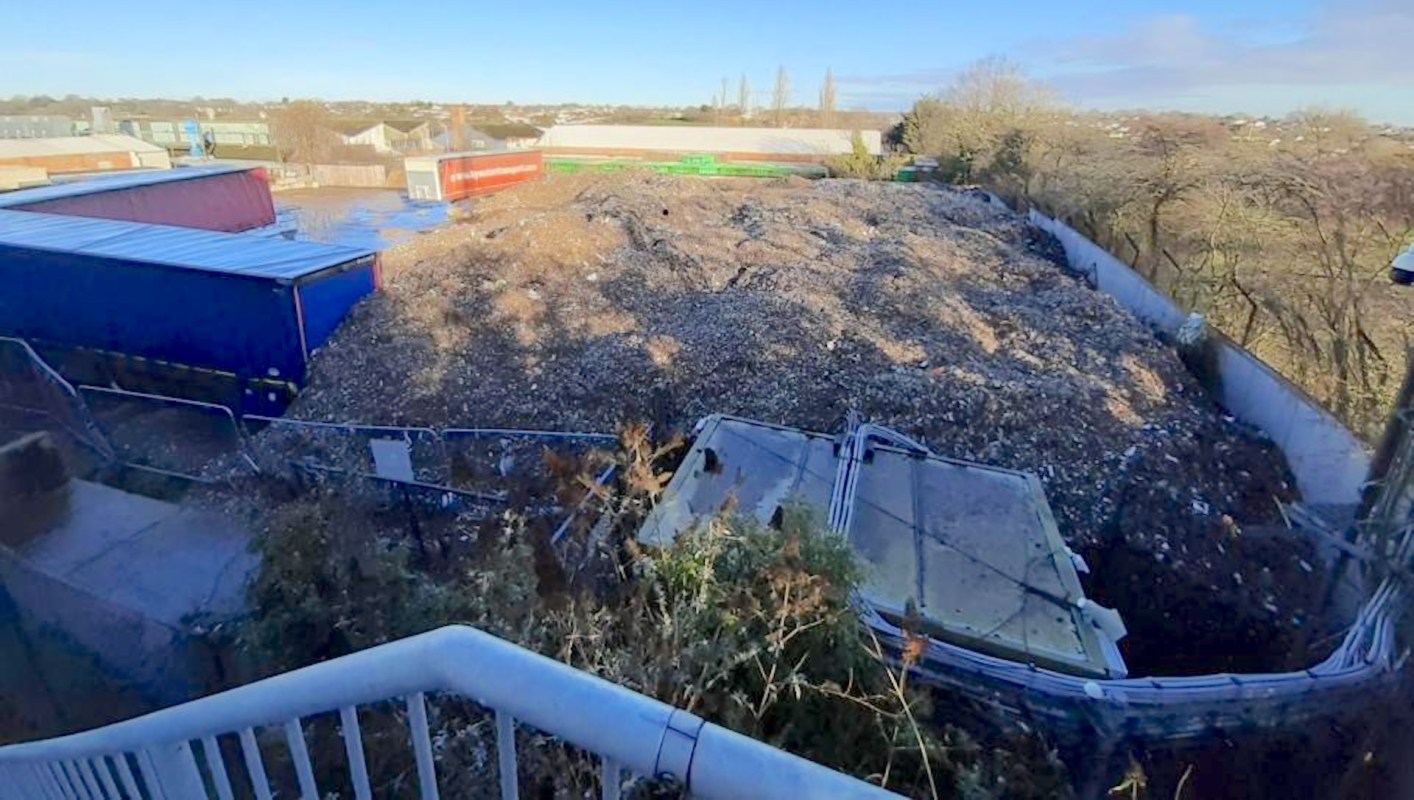
To sharpen its response to illegal dumping, Southend Council plans to move six mobile cameras among the places where rubbish is repeatedly being dumped.
The council will use resident reports and its own records to identify problem areas, with the goal of catching persistent offenders while also keeping spaces clean by discouraging more waste from building up in public areas.
Here's what to know
According to the Echo, Southend Council is creating a dedicated fly-tipping task force and preparing to deploy six DEFRA-funded mobile CCTV cameras.
Ron Woodley, the Rochford and Southend East Independent Group councillor for capital projects and public protection at Southend Council, said the problem remains a priority for the city.
"Fly-tipping is illegal, anti-social and remains a focus for the council," Woodley said.
The Southend initiative comes as part of a broader government push against waste crime. The Echo reported that planned changes could raise waste-offense penalties from £300 to £5,000 while also increasing drone use and front-line enforcement.
TCD Picks » Quince Spotlight
💡These best-sellers from Quince deliver affordable, sustainable luxury for all




More background
Illegal dumping has been a persistent problem for many communities because it touches several issues at once: neighborhood appearance, public health, environmental quality, and municipal budgets.
When waste is left in alleys, vacant lots, or along roadsides, councils often have to spend public money clearing it away. And not only does trash piled up look unappealing, it can also cause harm to wildlife.
City leaders have tied the camera program to wider goals around civic pride and regeneration in Southend.
Woodley said the approach is meant to focus on specific problem areas.
"Using resident reports and council data to target areas of concern, these measures are intended to help identify and deter offenders and support focused enforcement action where it is needed most," Woodley said.
According to the Echo, the national effort is expected to involve police forces, the National Crime Agency and additional Environment Agency officers, reflecting concern that organized networks can make money from illegal dumping.
What's being done?
The clearest immediate measure is the mobile-camera plan. Because the units can be moved as dumping hotspots shift, the council is not limited to watching one permanent location, which could make enforcement more adaptable and less predictable for offenders.
A dedicated task force is also intended to bring different council powers into a single response, giving officials a more coordinated way to handle complaints and enforcement in the hardest-hit areas.
Nationally, the tougher approach could include raising fines from £300 to £5,000, as well as deploying more drones and conducting more intelligence-led investigations.
Council leaders say the stronger response in Southend reflects residents' frustration with visible waste.
Daniel Cowan, Labour leader of Southend Council, put it this way: "People in Southend have told us loud and clear that they're sick of seeing their neighbourhoods blighted by dumped rubbish and those who think they can make money while someone else cleans up the mess."

Get TCD's free newsletters for easy tips, smart advice, and a chance to earn $5,000 toward home upgrades. To see more stories like this one, change your Google preferences here.






