


A South Korean battery project with the potential to improve electric vehicle performance is ahead of schedule and set for commercial production by 2029, according to a news release.
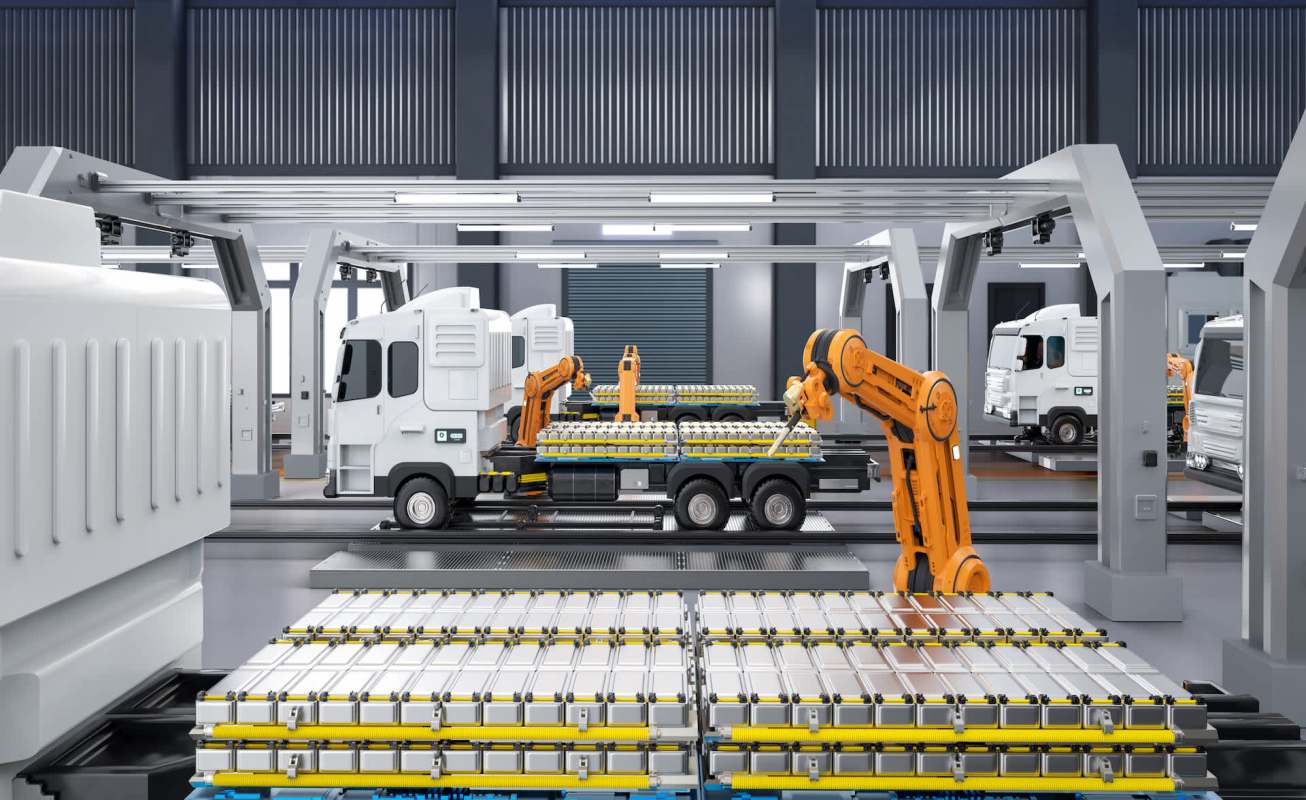
SK On has finished its solid-state power pack pilot plant, which is a crucial part of the plan.
"This pilot plant will serve as a cornerstone for SK to leap forward as a strong and resilient company in addressing any changes in business environment," SK On CEO Seok-hee Lee said.
Solid-state batteries use a nonflammable, solid electrolyte. That's the opposite of the liquid kind used in most batteries. Top Speed reported that they charge faster, last longer, and are safer than common packs. But mass-producing them affordably has been a challenge — one that SK seems poised to answer. Porsche and even NASA are working on their own versions, as well.
The tech, including SK's, could unlock "longer driving range [and] faster charging times," Electrek's Peter Johnson wrote, referring to battery technology often touted as a "holy grail" for the sector.
It's a huge boon for EV drivers trying to maximize charging opportunities. Juicing up at home remains the most affordable way to power the energy storage. Qmerit is a great resource to get you started with quotes and other resources for installing a Level 2 charger at home. Some basic questions about your electrical panel and garage can help create a plan for your scenario.
There are three ways to charge your cleaner ride. Level 1 charging, from a standard wall outlet, can take up to 50 hours to charge the battery to 80% from empty; for Level 2 charging, it would take up to 10 hours. Direct Current Fast Charging can provide a couple of hundred miles in 15 minutes. They are available at public stations such as Tesla's Superchargers. They are also more expensive, according to the Department of Transportation and Qmerit.
For reference, home charging can cost up to $720 for 13,489 miles. Public chargers can cost up to three times as much. Gas cars remain a costly and polluting option, at up to $2,100 annually for the same mileage, according to Qmerit's data, which highlights the value of charging at home.
Save $10,000 on solar panels without even sharing your phone number Want to go solar but not sure who to trust? EnergySage has your back with free and transparent quotes from fully vetted providers in your area. To get started, just answer a few questions about your home — no phone number required. Within a day or two, EnergySage will email you the best options for your needs, and their expert advisers can help you compare quotes and pick a winner. Solar panels can save you more than $50k over their 25-year lifespan, and EnergySage can help you save as much as $10k on installation. Which begs the question — isn't that worth an email or two? |

Some states offer incentives for buying and charging your EV, which increases the value further. Ford's Power Promise provides a Level 2 home charger and installation for customers who buy or lease a Ford EV.
EV drivers also enjoy up to $1,500 a year in gas and service savings, including no more oil changes. That's in addition to the thousands of pounds of heat-trapping tailpipe exhaust that's prevented each year when the cleaner ride replaces a gas car, per Department of Energy data. Government-cited research linked the fumes to lung, heart, and other health problems, too.
|
Do you worry about the longevity of EV batteries? Click your choice to see results and speak your mind. |
 For sure 💯
 Cleaner solar energy from a rooftop panel can boost savings by providing free energy to charge the EV. EnergySage can help you compare quotes, find an installer, and secure federal tax breaks before they expire on Dec. 31, saving you up to $10,000.
Better batteries can increase performance and reduce charging costs, and SK's team seems poised to contribute. A revamped manufacturing process at its 50,000-square-foot plant is crucial to the effort, according to the release.
"We aim to remain at the forefront of commercializing all-solid-state batteries to accelerate electrification," Lee said.

Join our free newsletter for weekly updates on the latest innovations improving our lives and shaping our future, and don't miss this cool list of easy ways to help yourself while helping the planet.






