


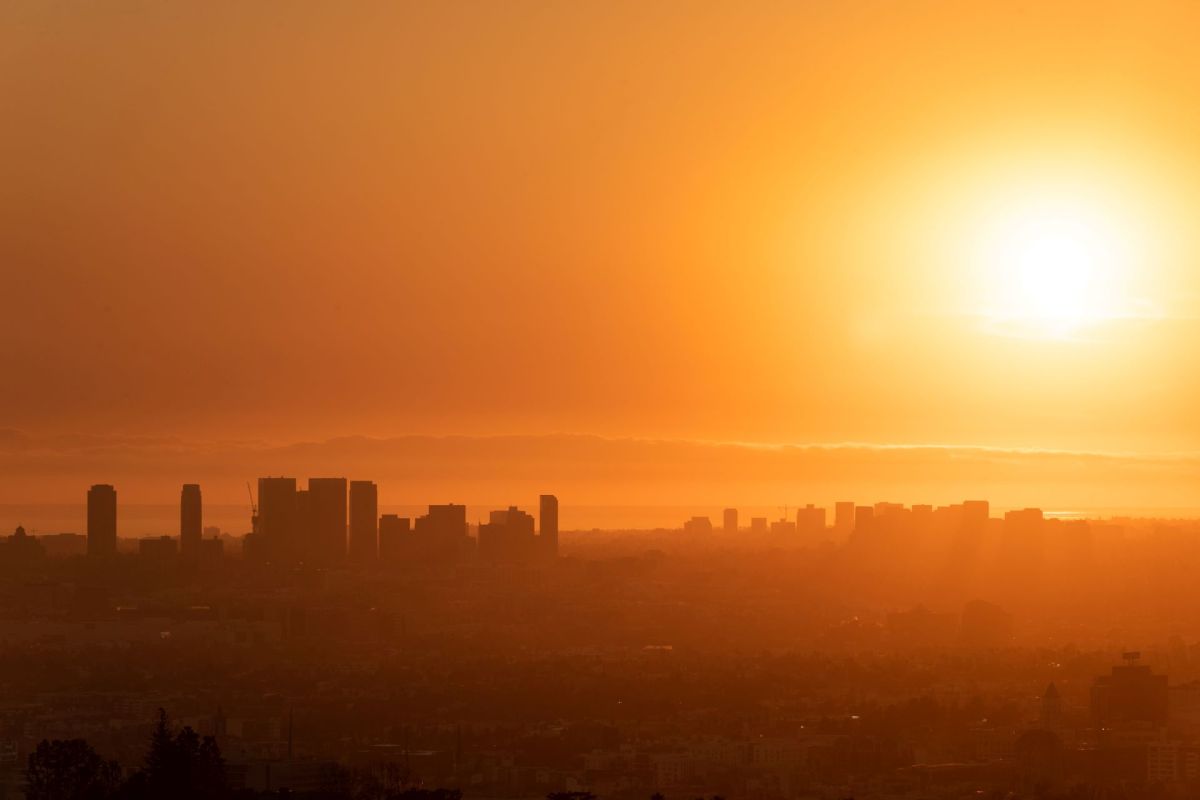
New research estimates the devastating effects an extreme geomagnetic storm would have on the United States and how viable that threat is.
Here's what to know
A massive solar storm may sound like something out of science fiction, but new research suggests widespread blackouts, billions of dollars in daily losses, and major disruptions for millions of Americans are a very real possibility.
As ZME Science reported, a new study estimates that an extreme geomagnetic storm expected only once every 250 years could leave as many as 5 million people in the United States without electricity, impact more than 135,000 businesses, and cause $1.81 billion in losses each day. In the study's 100-year storm scenario, 3.5 million people and 91,000 businesses would lose power, producing an estimated $1.22 billion in economic losses each day.
Published in AGU Advances, the research used an integrated framework to follow the effects of space weather through the U.S. power system and into the wider economy. The model ties together physics, engineering, and economics to estimate damage under storms of different severity.
These storms begin when the Sun throws off plasma and magnetic energy from its corona in coronal mass ejections. After that energy reaches Earth's magnetic field, it can create geoelectric fields by interacting with conductive materials. The resulting currents can then interfere with electrical transmission by passing through extra-high-voltage transformers on the grid.
In 1967, a solar storm nearly started WWIII when it disrupted U.S. early-warning radars and led American leaders to suspect the Soviet Union.
TCD Picks » Quince Spotlight
💡These best-sellers from Quince deliver affordable, sustainable luxury for all




More background
Researchers say space weather is still poorly quantified as a risk, even though it has proven it can cause major damage. Previous socioeconomic studies have often examined the problem in separate disciplinary slices rather than linking geophysical causes to the way the power grid operates.
To check the accuracy of their approach, the authors compared simulated impacts at electric substations with measurements collected by the Tennessee Valley Authority during the 2024 Gannon storm.
Extended power outages can disrupt refrigeration, heating and cooling, internet service, medical equipment, fuel distribution, and business operations.
What's being done?
The findings help identify where grid investments could improve protection against future storms.
Better forecasting could give officials time to respond and reduce the risk of dangerous misinterpretation.
The authors advise that future work should explore chain-reaction effects within the grid and compound disasters, such as a geomagnetic storm hitting during a heat wave, hurricane, or other extreme weather event.
Where can I learn more?
Many of the vulnerabilities that make geomagnetic storms so expensive also show up in more familiar threats to the grid, like aging equipment and weather-related outages. These articles place space weather in that larger context and look at the broader resilience challenges facing U.S. electricity systems, including hurricane pressure on solar power.
• U.S. Department of Energy officials warn a 100-fold increase in blackouts could hit vulnerable communities.
• Across the United States, America's aging power grid may struggle through longer, more erratic storm seasons.
• In the Caribbean and U.S., utilities can use super grids to offset losses when hurricanes disrupt solar generation.
• At utility-scale solar farms, strong winds can damage infrastructure and slow regional power recovery.

Get TCD's free newsletters for easy tips, smart advice, and a chance to earn $5,000 toward home upgrades. To see more stories like this one, change your Google preferences here.






