


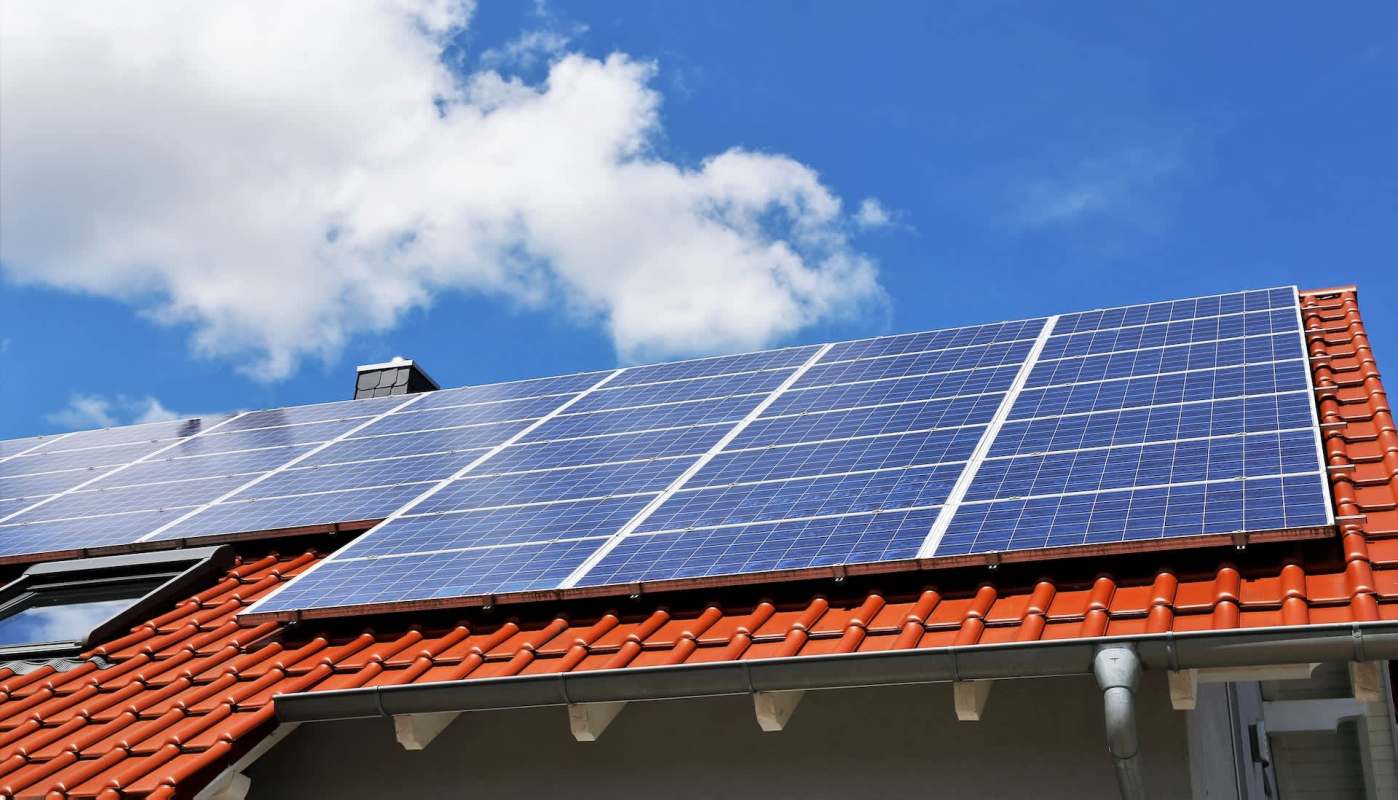
Solar power policy is changing quickly across the United States — and not only in the sunniest parts of the country. During Q2 2026, lawmakers, regulators, and courts recorded hundreds of policy actions that could influence how people install, share, and pay for rooftop and community solar.
What's happening?
Across 45 states plus Washington, D.C., and Puerto Rico, 284 policy actions related to distributed solar were taken during Q2 2026, according to the NC Clean Energy Technology Center's quarterly "50 States of Solar" report covered by CleanTechnica.
Illinois, Maryland, New Jersey, Virginia, New Hampshire, Connecticut, Maine, and Rhode Island saw the most activity overall. As CleanTechnica reported, the most common issues were net metering with 53 actions, community solar with 48, and residential fixed-charge or minimum-bill increases with 45.
The report also identified three major trends: more legislation to allow plug-in solar, more debate over how to distribute the costs of distributed generation programs, and more attention to grid interconnection for residential and public-sector customers.
According to CleanTechnica, Brian Lips, Senior Project Manager at NCCETC, said, "This quarter saw a flood of bills addressing plug-in solar, with half of all states considering bills that would lessen the regulatory burden for these systems."
Why does it matter?
As clean energy sources become more of a priority across the country, these policy battles can directly affect how affordable solar is for households, renters, schools, and small businesses.
TCD Picks » Quince Spotlight
💡These best-sellers from Quince deliver affordable, sustainable luxury for all




Net metering rules help determine how much customers are paid for excess electricity they send back to the grid, while community solar policies can expand access for people who cannot install panels on their own roofs. Plug-in solar could offer a lower-cost entry point for people in apartments, shaded homes, or buildings they do not own.
The report's top five actions showed how different the stakes can be from state to state. Per CleanTechnica, they included Connecticut lawmakers ordering successor programs for net metering and community solar, an Arizona court decision vacating Arizona Public Service's grid access charge, Maryland's requirement to adopt a successor net-metering program, a Virginia regulatory decision on Dominion Energy's net-metering successor, and Texas approval of a residential distributed generation rate for El Paso Electric.
All of these rulings will help shape monthly utility bills, solar payback periods, and whether cleaner energy options become easier or harder for consumers to access.
What's being done?
States are taking a mix of legislative, regulatory, and court-driven steps to update solar rules as adoption rises. Some are working to broaden access through plug-in solar and community solar programs, while others are revising compensation structures or utility charges in response to concerns about fairness and grid costs.
Faster and simpler interconnection can reduce delays and costs for households, schools, and public buildings that want to add solar, making clean energy projects easier to complete.
"This signals strong interest in the technology across all corners of the country as a way to increase opportunities for customers who can't access traditional solar systems," Lips said.
Rebekah de la Mora, Project Manager at NCCETC, added, "States are using a variety of tools at their disposal to prevent cost shifting," per CleanTechnica.

Get TCD's free newsletters for easy tips, smart advice, and a chance to earn $5,000 toward home upgrades. To see more stories like this one, change your Google preferences here.






