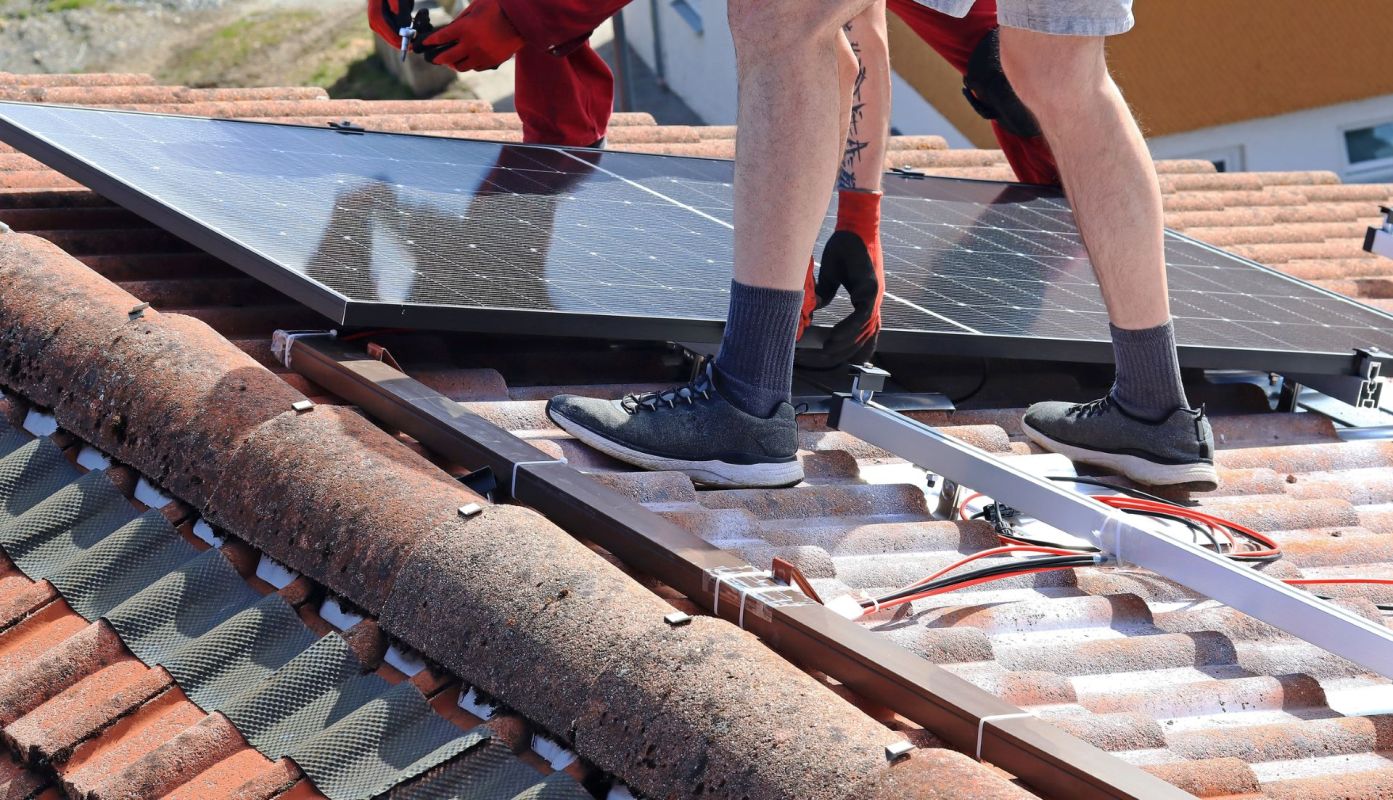
Surging utility bills had one homeowner looking at solar again, but a large tree casting afternoon shade on part of the roof was still a major issue.
Here's what to know
In a Reddit post, one homeowner wrote, "I originally thought [the large oak tree] would make solar basically pointless, but with electricity prices going up, I'm looking into it again."
They said the oak tree along a neighbor's fence shades the roof in the afternoon and asked whether Callsun panels would be a good fit for a DIY installation in partial shade.
When sunlight is inconsistent across a roof, the panel label is usually only a small part of the story. Output can depend much more on cell design and on module-level equipment, such as microinverters or power optimizers.
But generally, going solar is one of the best ways to save money on home energy, especially as utility rates rise. Homeowners who want to see what a professionally designed system might cost can explore EnergySage to get free solar installation estimates and compare quotes.
More background
One reason shade creates so much confusion in residential solar is that it is rarely a simple yes-or-no problem. A roof with some afternoon obstruction may still make sense for solar, but the answer depends on when the shadow falls, how much roof area it covers, and whether the rest of the array stays clear.
People building their own systems can easily zero in on a cheaper panel that looks promising in online reviews. But a low price does not help much if the roof placement, inverter setup, or overall layout are poorly matched to the home.
Afternoon shading can be especially frustrating because those hours often overlap with heavier household electricity use, meaning every lost kilowatt-hour can extend the payback period.
Save $10,000 on solar panels without even sharing your phone number Want to go solar but not sure who to trust? EnergySage has your back with free and transparent quotes from fully vetted providers that can help you save as much as $10k on installation. To get started, just answer a few questions about your home — no phone number required. Within a day or two, EnergySage will email you the best local options for your needs, and their expert advisers can help you compare quotes and pick a winner. |

In other words, the main issue is usually system design rather than brand alone. A poor configuration can reduce monthly savings, while a well-planned one can still help offset high utility bills.
What can be done?
The first step is to measure the shade as accurately as possible before purchasing equipment. That can mean using design software, working with a shade analysis tool, or getting multiple opinions on whether microinverters, power optimizers, or a different panel layout would do the best job of limiting losses on a partially shaded roof.
Adding battery storage could also help maximize power, and it is also one of the best ways to protect your home during outages, save money on energy, and even go off-grid. Home batteries can store excess daytime production for use after sunset or when the grid goes down. Homeowners can also explore EnergySage for information about home battery storage options, including competitive installation estimates.
Free tools can also make the shopping process much easier. With EnergySage's help, the average person can save up to $10,000 on solar purchases and installations, since the service allows homeowners to compare quotes and weigh equipment options side by side.
More From EnergySage
💡Go deep on the latest news and trends shaping the residential solar landscape

EnergySage's solar map shows the average cost of a home solar panel system by state, along with details on local incentives. Together, these resources can help you get the best price for rooftop solar panels.

Get TCD's free newsletters for easy tips, smart advice, and a chance to earn $5,000 toward home upgrades. To see more stories like this one, change your Google preferences here.