


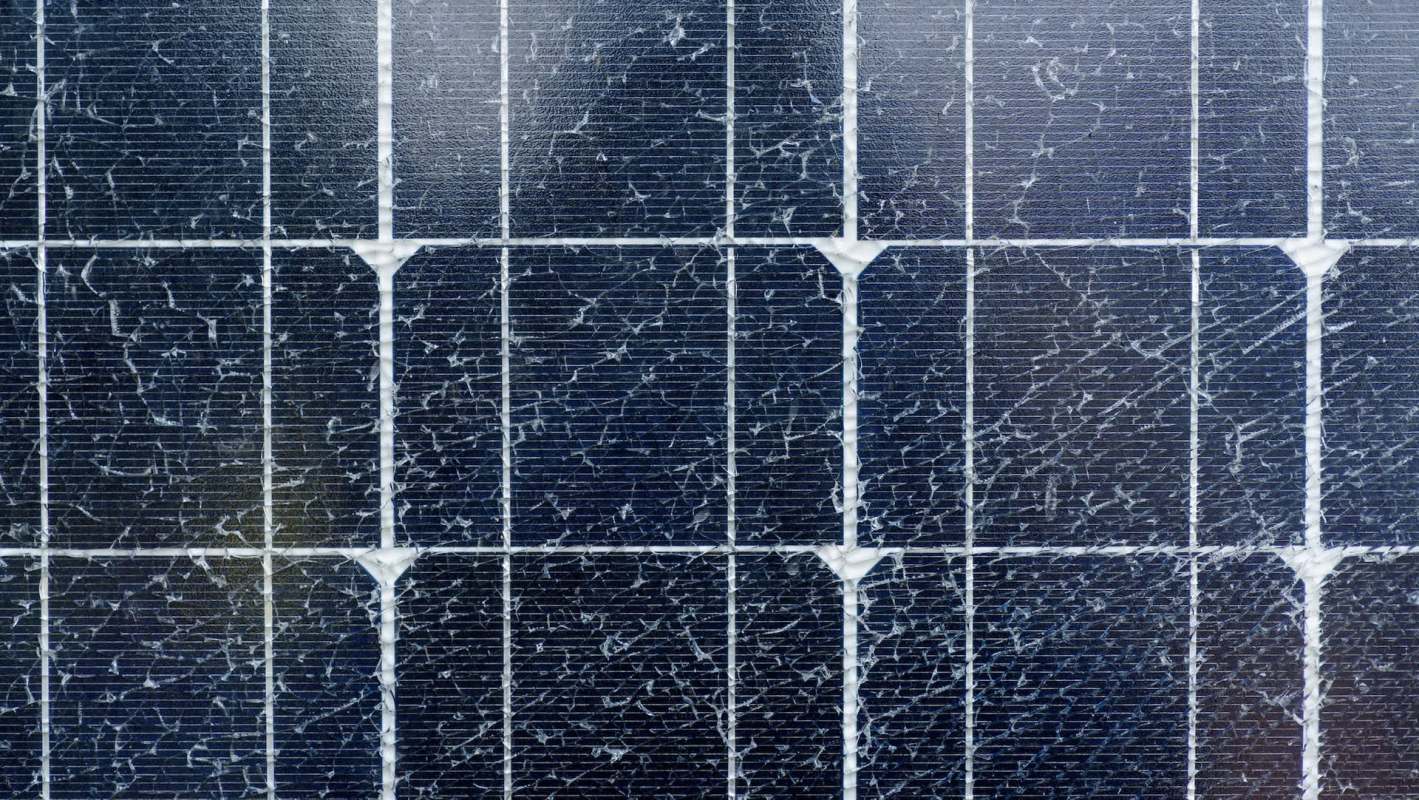
The long-term performance of a solar panel can hinge on something most buyers never see: the thin layers of material that protect its cells from heat, moisture, and mechanical stress.
New research from Germany's Fraunhofer Center for Silicon Photovoltaics CSP is taking a closer look at those hidden materials, showing that the microclimate created within the solar cell can impact how that cell performs and ages over the long term.
What's happening?
To evaluate durability, Fraunhofer CSP has been putting solar modules through accelerated stress conditions and tracking how they respond.
As reported by SolarBytes, the work focused on solar encapsulant materials.
Encapsulants keep solar cells sealed and protected over years of outdoor use. If those layers start to break down, panels can lose output, discolor, delaminate, or become more vulnerable to damage.
In its research, scientists studied two types of encapsulants closely: ethylene-vinyl acetate (EVA) and polyolefin elastomer (POE).
TCD Picks » Quince Spotlight
💡These best-sellers from Quince deliver affordable, sustainable luxury for all




Researchers discovered that the materials used to build and seal solar panels can shift the microclimate inside the cells, and that microclimate can have a major impact on long-term performance.
While POE is a newer innovation in the solar cell industry, researchers note that EVA can still perform competitively.
"It becomes clear that EVA does not necessarily have to be inferior to the novel POE encapsulants if it is combined with the right rear side encapsulation," the full study concluded.
Why does it matter?
Better solar materials can mean more reliable electricity at a lower lifetime cost.
When panels last longer and maintain their performance, homeowners, businesses, and utilities can get more energy from the same installation without paying for early replacements or added maintenance.
That reliability becomes even more important as solar expands into hotter regions and onto rooftops, warehouses, parking structures, and community solar sites. Even a small improvement in module durability can scale into major savings when thousands or millions of panels are involved.
There is also a broader public health benefit. The longer solar systems remain productive, the more they can help displace electricity generated from fossil fuels, which are linked to climate-warming pollution and harmful air contaminants.
Stronger module design is not just a manufacturing issue. It can also support cleaner air and a more resilient grid.
The study sharpens the industry's understanding of tradeoffs. Rather than assuming one encapsulant is simply "better," manufacturers can more carefully match materials to climate conditions, module architecture, and expected service life.
Research like this is helping solar companies refine how panels are built before problems emerge in the field. Manufacturers can take a closer look at barrier layers, sealing methods, and overall module construction.
Better material formulations and more targeted quality testing could lead to tougher panels without dramatically changing how affordable solar has become.
As solar becomes an even larger part of household energy, grid planning, and corporate clean power purchases, small materials advances like this one can improve durability and lower ownership costs.
These hidden layers may not get much attention, but they can play an outsized role in whether a panel keeps delivering affordable clean energy year after year.

Get TCD's free newsletters for easy tips, smart advice, and a chance to earn $5,000 toward home upgrades. To see more stories like this one, change your Google preferences here.






