



DC Water has turned a piece of everyday infrastructure into a clean energy asset with a solar array built atop a drinking-water reservoir in Washington, D.C.
As Solar Power World detailed, the project is expected to lower electricity costs for more than 500 households while also showing how municipal property can serve more than one purpose.
What happened?
In a press release, DC Water announced it finished a 1.8-megawatt solar installation at Brentwood Reservoir in Washington, D.C. The system was built over a buried concrete reservoir that stores about 25 million gallons of drinking water.
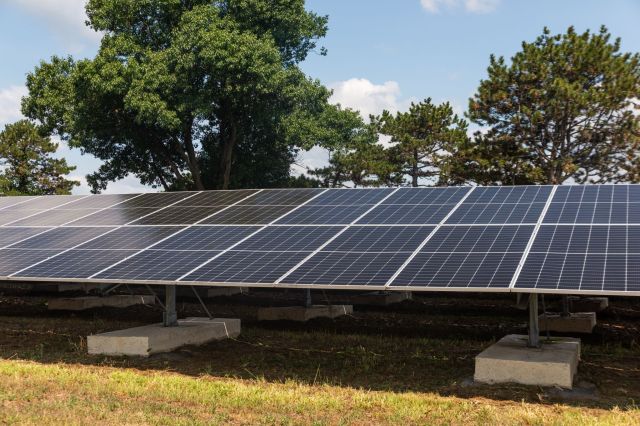
The community solar effort was headed by NHT Ingenuity Power, a collaboration between National Housing Trust and Urban Ingenuity, which is an innovation lab of Working Power.
More than 500 income-qualified households in D.C. are slated to receive lower energy bills through the Solar for All program, and DC Water said the array could deliver up to $3.8 million in savings over its lifetime.
"The District is proud to help deliver meaningful bill savings for residents while advancing a cleaner, more affordable future," Richard Jackson, director of the D.C. Department of Energy and Environment, said in the release.
Why does it matter?
Not everyone can install panels on a roof. Renters, apartment residents, and people with shaded or structurally unsuitable homes are often left out. Community solar allows households to benefit from shared renewable power instead.
For households that can put up panels, going solar is one of the best ways to save money on home energy. If you're considering it, you can explore EnergySage's free tools to get quick solar installation estimates and compare quotes.
Save $10,000 on solar panels without even sharing your phone number Want to go solar but not sure who to trust? EnergySage has your back with free and transparent quotes from fully vetted providers that can help you save as much as $10k on installation. To get started, just answer a few questions about your home — no phone number required. Within a day or two, EnergySage will email you the best local options for your needs, and their expert advisers can help you compare quotes and pick a winner. |

In this case, because the panels occupy space above existing public infrastructure, the project adds renewable generation without taking the reservoir out of service.
"By converting underutilized spaces into renewable energy assets, this project demonstrates the power of reimagining critical infrastructure as sources of clean energy," Jackson added.
What's being done?
Brentwood also fits into a larger local effort to spread solar benefits more widely.
Since 2019, the DCSEU has partnered with local developers and contractors on more than 250 Solar for All community solar projects, aimed at extending access to more than 11,000 income-qualified families and producing upwards of $80 million in lifetime bill savings.
More From EnergySage
💡Go deep on the latest news and trends shaping the residential solar landscape

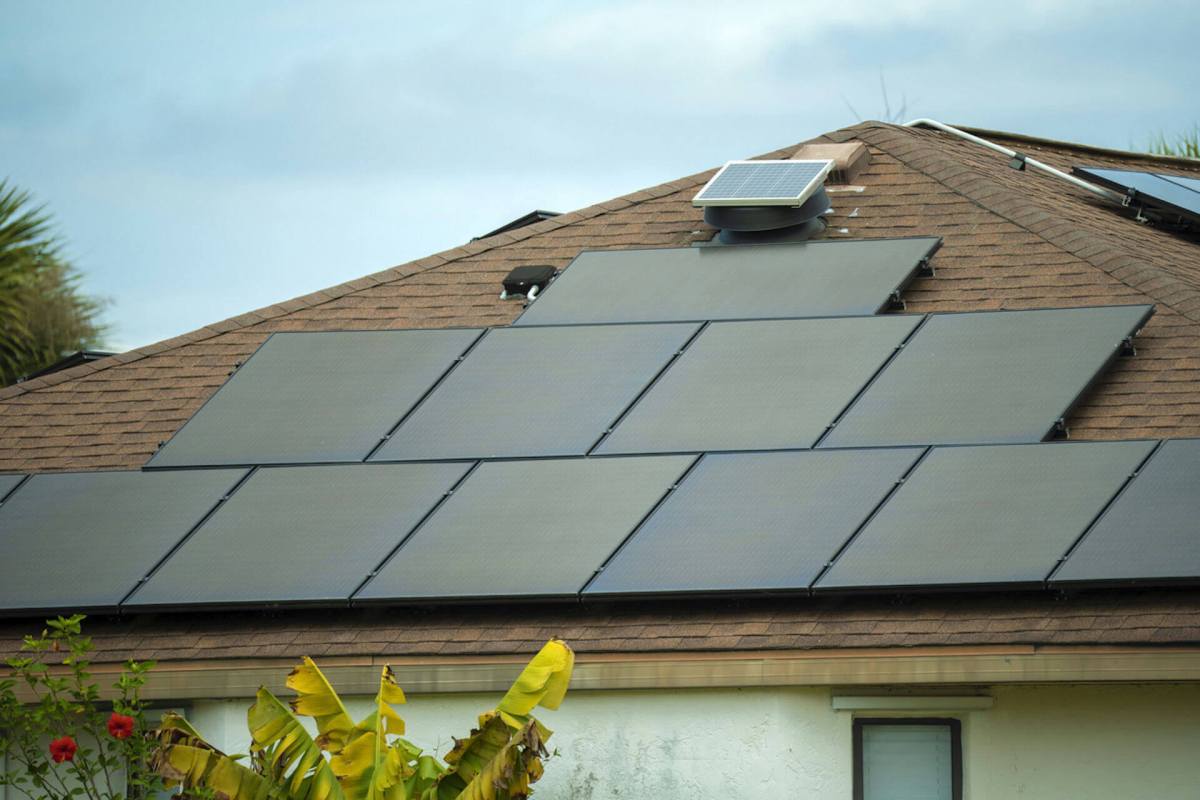

For homeowners trying to tap into those types of savings, EnergySage's free services can also simplify comparison shopping by putting multiple quotes and tools in one place. With EnergySage's help, the average person can save up to $10,000 on solar purchases and installations.
For people thinking about rooftop solar, EnergySage's solar map shows the average cost of a home solar panel system by state, along with details on local solar panel incentives. Together, these resources can help householders get the best price for rooftop solar panels.
Adding battery storage to a solar setup is one of the best ways to protect your home during outages, save money on energy, and go off-grid. Batteries let households store extra solar power for use after sunset or when the grid goes down.
EnergySage's free tools provide information about home battery storage options, including competitive installation estimates.

Get TCD's free newsletters for easy tips, smart advice, and a chance to earn $5,000 toward home upgrades. To see more stories like this one, change your Google preferences here.






