


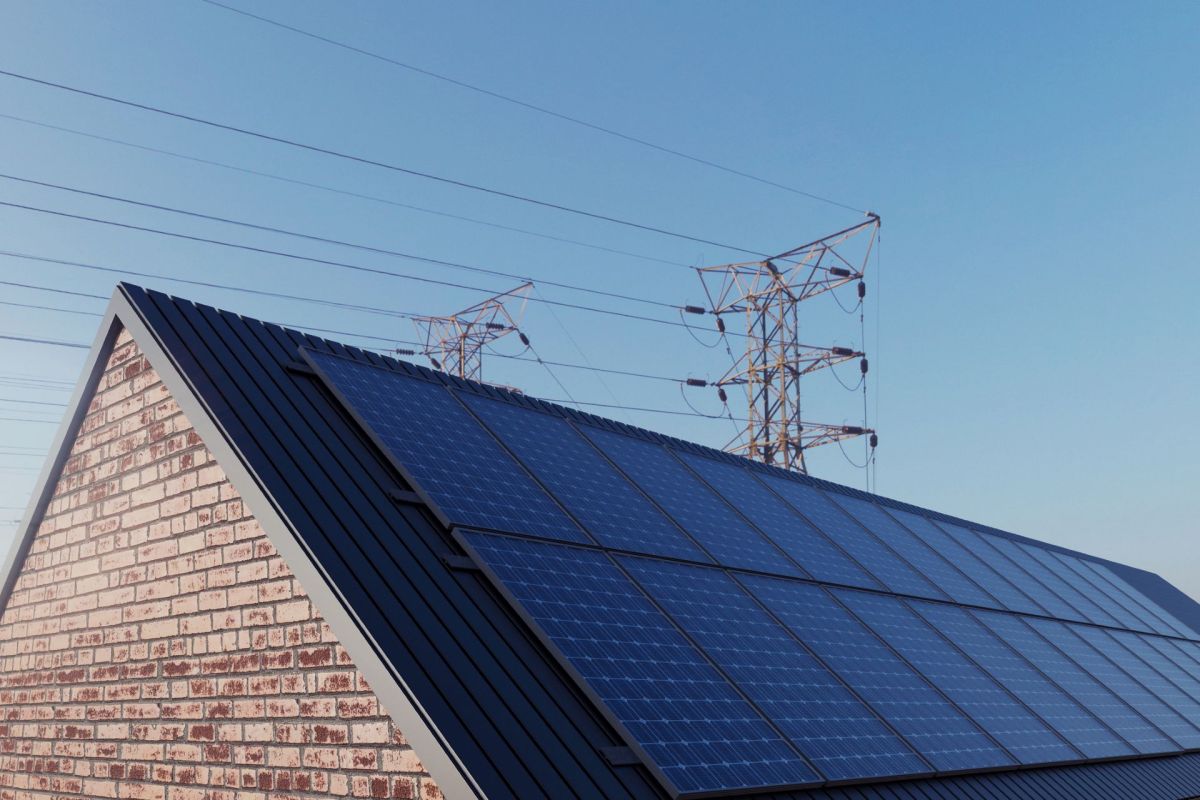
A $7 billion federal Solar for All program designed to cut household power bills by at least 20% for more than 900,000 homes remains frozen, even after two court rulings found the Trump administration's attempt to terminate it illegal.
Supporters say the delay is holding up money meant for rooftop and community solar projects, postponing savings for working families and slowing associated job creation.
Here's what to know
A bloc of 111 lawmakers led by Sen. Bernie Sanders of Vermont and Reps. Emanuel Cleaver of Missouri and Lizzie Fletcher of Texas are urging the Trump administration to restart the Solar for All program immediately, according to Vermont Business Magazine. Congress passed the program in 2022 to make rooftop and community solar more attainable for working-class families.
Although two federal district courts ruled in September that efforts to terminate Solar for All were unlawful and directed the Environmental Protection Agency to restore the funding, the administration has continued withholding the money since August 2025.
In their letter, the lawmakers said the ongoing pause is preventing the program from helping households already dealing with higher utility costs. "Currently, nearly $7 billion that Congress allocated to slash utility bills, create jobs, and strengthen the electric grid is sitting idle in the EPA's bank account instead of working to benefit American families," they wrote.
Solar can be especially meaningful for families trying to bring down recurring housing costs. Going solar is one of the best ways to save on home energy, and solar leases in particular can deliver hundreds of dollars in monthly savings with no upfront costs. Those who want to compare options can use EasyHome's free explorer tool to see their potential savings from vetted installers in their area.
More background
At its core, the program aims to help working-class households access rooftop and community solar options that may otherwise be difficult to afford upfront.
According to Vermont Business Magazine, the program could reduce electricity bills by 20% or more for over 900,000 households, save working families more than $8.7 billion in lifetime electric costs, and create hundreds of thousands of well-paid jobs.
Crushed by your bills? See instant solar savings from vetted installers in just a few clicks With energy prices through the roof, there's never been a better time to go solar — and EasyHome can help you find the best prices from the best installers in your area. EasyHome takes the guesswork and headaches out of energy upgrades by showing you estimated savings from a network of vetted local partners. To get started, just enter your ZIP and share a few details about your home — seeing your estimate is really that easy. |

Because funding remains stalled, local solar efforts, job-training plans, and participating businesses are being forced to wait. For households, that means a longer timeline before they can realize potential monthly savings and more stable energy expenses.
Support for restoring the program is also broad within the Democratic caucus. Along with Sanders, Cleaver, and Fletcher, 27 senators signed the letter, including Sens. Elizabeth Warren of Massachusetts, Cory Booker of New Jersey, Amy Klobuchar of Minnesota, and Peter Welch of Vermont, as well as 84 House members.
What's being done?
Lawmakers are pushing the issue through a formal letter asking the EPA to follow the court orders and release the money so Solar for All can move from planning to deployment.
They also said the grantees are ready to begin using the funds right away. "The EPA's illegal termination of Solar for All has left states, communities, and businesses across the country in limbo. Nevertheless, the program's grantees stand ready to put Solar for All dollars to work on residential solar projects to slash utility bills and create many thousands of good jobs," the lawmakers wrote. "The EPA must immediately restore Solar for All and ensure projects nationwide proceed to implementation as Congress intended."
For homeowners trying to understand their own options while bigger policy disputes play out, EasyHome's free explorer tool can help show what solar could look like in their area. EasyHome can also help readers explore backup battery storage, since pairing solar with a battery can maximize savings and let homeowners power their home with solar when the grid goes down.
"As hardworking Americans grapple with skyrocketing energy bills, Solar for All stands to deliver meaningful savings to hundreds of thousands of households," the lawmakers said.
Where can I learn more?
The Solar for All dispute is part of a broader fight over whether clean-energy programs can deliver real relief on household utility bills.
• In Rhode Island, a judge revived a $7 billion solar program for low-income families.
• In Harris County, a Texas solar project could cut electric bills by $1,000.
• New York is trying to get 2.5 million households up to $500 off utility bills.
• Across the U.S., households could pay $6,500 more for energy by 2040.
• Trump's grid order has put the U.S. battery boom in limbo as demand rises.

Get TCD's free newsletters for easy tips, smart advice, and a chance to earn $5,000 toward home upgrades. To see more stories like this one, change your Google preferences here.






