


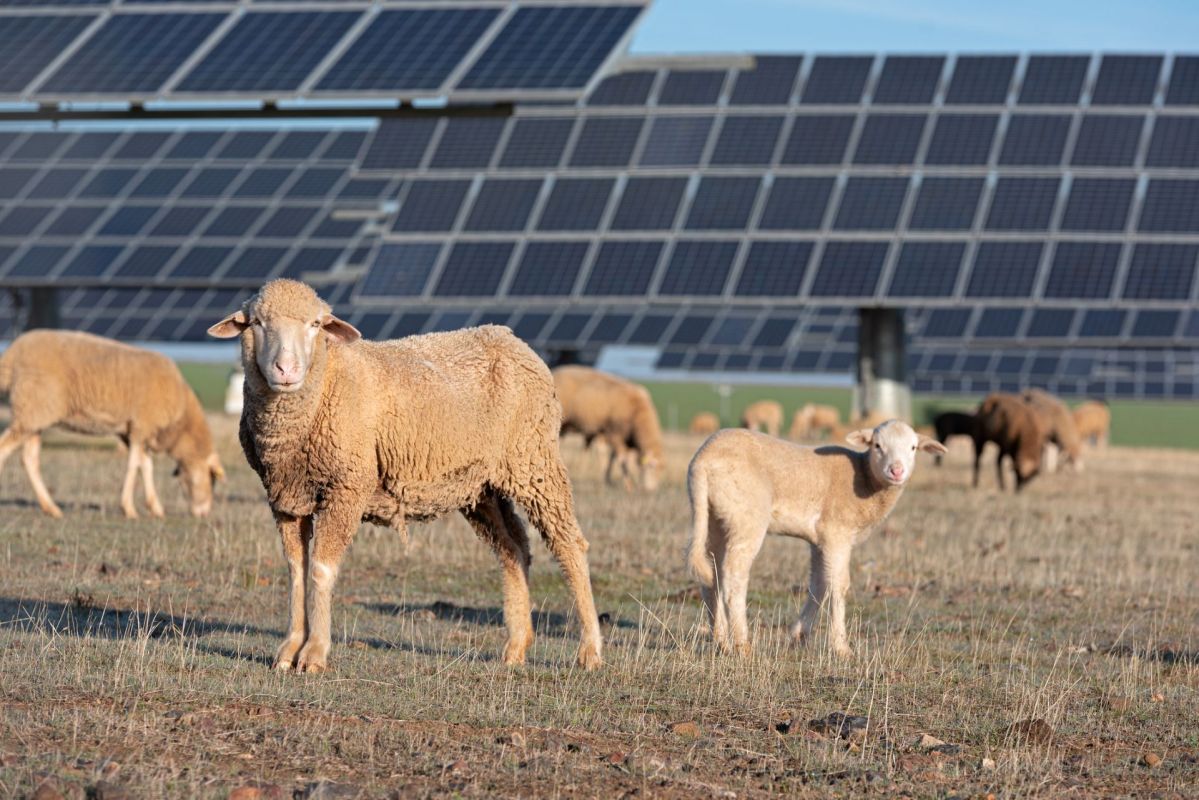
A giant solar farm in Minnesota ran into an unexpected maintenance problem: Vegetation planted to help restore the land began growing tall enough to interfere with the panels.
Rather than sending in louder, more polluting equipment, operators turned to 2,000 sheep and a surprising security recruit: a donkey.
What's happening?
The issue emerged at the Sherco Solar facility in Becker, Minnesota, where overgrowth along the array began shading the lowest row of panels. That lowered electricity production and even led to inverter shutoffs.
As Ecoportal reported, the project sits on just under 5,000 acres of former farmland and can generate 710 megawatts from nearly 1.7 million solar panels.
This was not simply an appearance problem. Prairie grasses and invasive weeds were spreading quickly across the open site, cutting down the sunlight reaching parts of the installation.
Regular mowing has downsides as well: Gas-powered equipment can kick up dust that settles on panels, is hard to use in tight areas, and can damage glass or wiring.
TCD Picks » Quince Spotlight
💡These best-sellers from Quince deliver affordable, sustainable luxury for all




The environmental plan for the site included 35 native grasses and wildflowers meant to hold soil in place and support pollinators such as bees and butterflies. But aggressive weeds began overtaking those plantings, and dead vegetation was holding moisture around panel posts, creating worries about rust.
Local water-protection rules limited herbicide use, and removing weeds by hand across thousands of acres was too costly, so the operators needed a different solution. Cue the sheep and a donkey.
Why does it matter?
When preventable maintenance issues reduce a solar farm's efficiency, the result is less electricity and fewer climate and cost benefits. Keeping panels unobstructed helps existing infrastructure produce as much power as possible and supports a more reliable energy supply without additional fossil-fuel burning.
The Sherco project also highlights that farming and renewable power do not always need to be in conflict. Managing vegetation in a way that preserves native plants and pollinators can cut erosion, build healthier soil, and make big energy sites more environmentally useful.
What's being done?
Sherco Solar addressed the problem with targeted grazing. The sheep keep invasive weeds cropped low enough for sunlight to reach the panels, and they do it without chewing wires or climbing onto equipment. Their manure also returns nutrients to the ground, and their hoof traffic may help native seeds settle into the soil, according to Ecoportal.
The donkey has a separate job: protecting the flock. Since coyotes and other predators move through the property, the guard animal helps keep the sheep safe across miles of fenced land and makes grazing more workable on a site of this scale.
Xcel Energy says livestock removed the need for mowers and helped native prairie species grow around the facility.
And for homeowners interested in the same broader clean-energy transition, EnergySage can help you go solar with free tools that let you curate competitive bids from local installers without them obtaining any of your contact information unless you choose to work with one further.
As solar projects expand across working landscapes, the Sherco site suggests that controlling vegetation does not always have to mean using more machinery; it can also come from working with nature.

Get TCD's free newsletters for easy tips, smart advice, and a chance to earn $5,000 toward home upgrades. To see more stories like this one, change your Google preferences here.






