


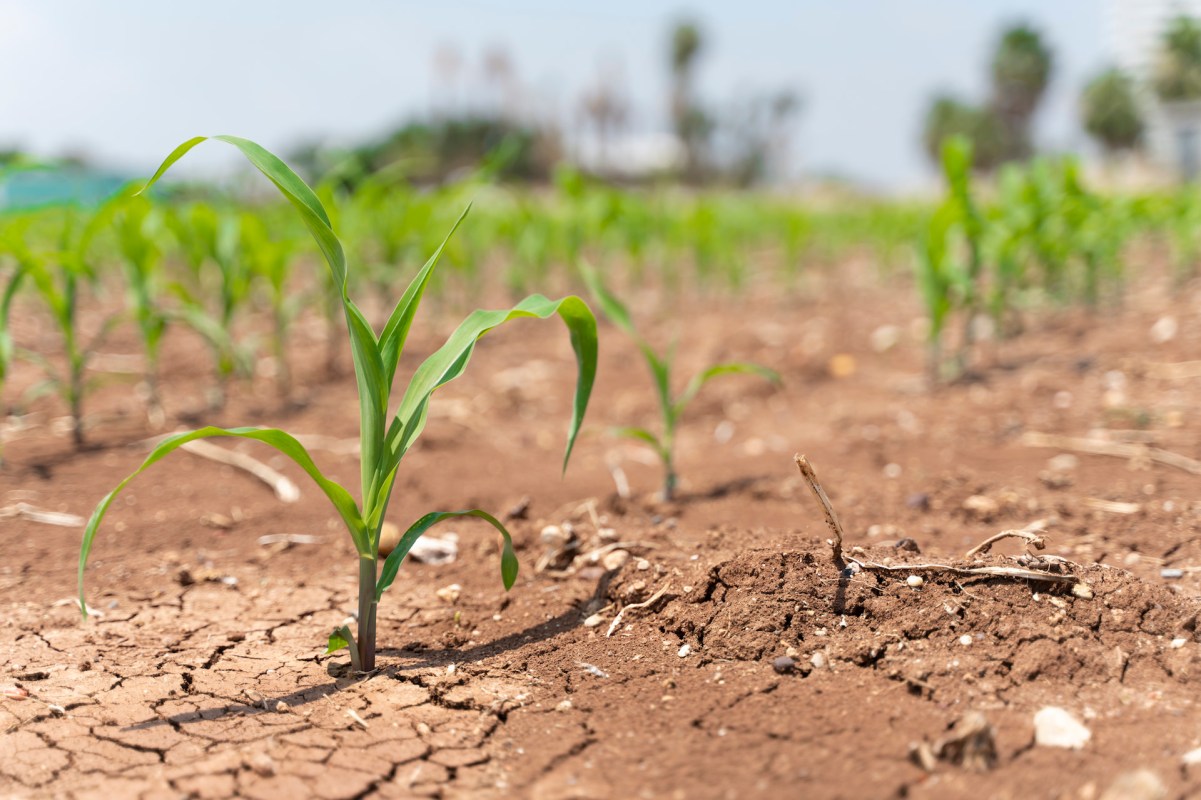
Knowing the amount of moisture in soil is essential, as this information can inform everything from agricultural practices to determining drought conditions. However, mapping and monitoring this moisture can be time-consuming and present significant challenges, as soil moisture variations can occur due to differing factors, such as vegetation cover and climate.
Keeping track of soil moisture may have just become a much simpler endeavor thanks to researchers from the University of Sydney. These scientists have created a soil moisture mapping tool powered by AI that can accurately measure and provide real-time data on the level of moisture in soil.
The team published their study's results in the journal SOIL, and those results are promising, as this AI-powered mapping tool could transform how we handle pasture management, irrigation, and fuel reduction burning.
Scientists tested the mapping tool in Tasmania, as it has diverse soil. The tool works by drawing information from a variety of sources, including land and soil maps, satellites, and weather forecasts. Once it has received the information it needs, the tool applies deep learning and combines real-time data from 39 in-ground probes measuring soil moisture with the rest of the collected data.
Co-researcher Professor Budiman Minasny explained, "This rich data can help Tasmania's land managers make faster, better decisions — such as timing the planting of crops, optimizing irrigation flows, or preparing for fires."
The new tool builds on previously established soil science research from the University of Sydney and has already proved to be incredibly useful for trend monitoring. Fire managers in Tasmania have already begun to look at how it might help them with planning fuel reduction burns, and the AI-powered tool has already helped researchers determine when different areas are moving into and out of drought conditions.
The knowledge gained from this program could increase food security across the globe, better protect livestock, and aid land managers working around increasingly varied rainfall levels.
This mapping tool also contributes to the overall sustainability goal of cleaning up the agriculture and food industries and the pollution they create, which threatens the health of local communities.
However, the downside of this tool is its use of AI.
Though in this case, the use of AI will make a positive difference in the world, AI, as a whole, has a negative impact on local communities and the environment due to the massive amounts of water and energy it consumes to train models. While the payoff may be worth it in this case, in many instances it is not.
TCD Picks » Quince Spotlight
💡These best-sellers from Quince deliver affordable, sustainable luxury for all




However, Marliana Tri Widyastuti, lead developer of the project, explained: "Now we have shown that the tool works in Tasmania, I hope it might one day help millions of people across the globe. From better irrigation in our food-bowls, through to the management of drinking water catchments, or the protection of rainforests, swamps and fragile ecosystems from fire."
|
Would you install water-collecting hydropanels on your home?
Click your choice to see results and speak your mind. |
 Definitely 👍
Join our free newsletter for weekly updates on the latest innovations improving our lives and shaping our future, and don't miss this cool list of easy ways to help yourself while helping the planet.
Cool Picks





