


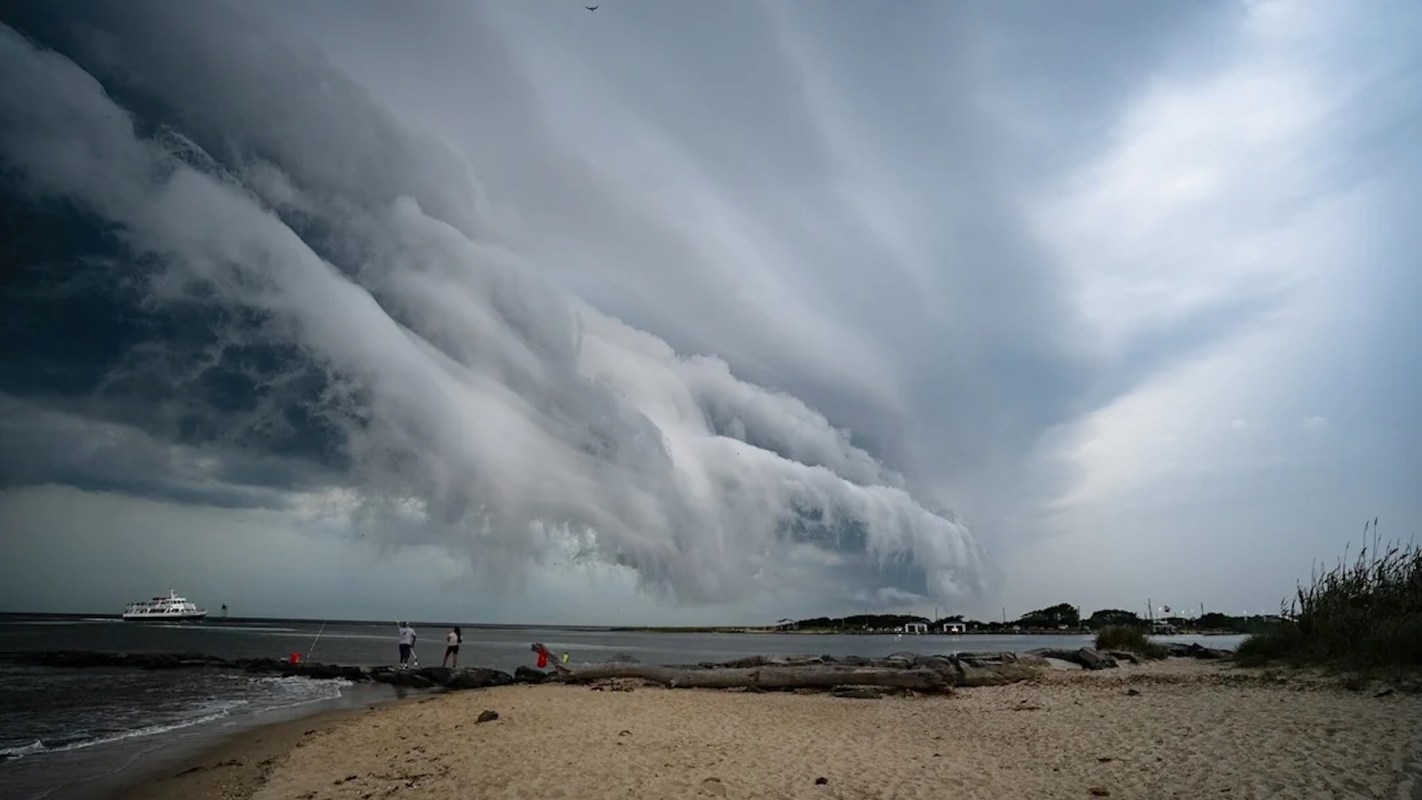
Beachgoers in Cape May, New Jersey, were treated to a dramatic sight on Aug. 10 as a massive shelf cloud rolled toward Higbee Beach, transforming the summer shoreline into something almost otherworldly.
The striking images were shared by a user on Reddit's r/weather.
Here's what to know
Captured at Higbee Beach, the photos showed a broad, dark shelf cloud sweeping in across the bay.
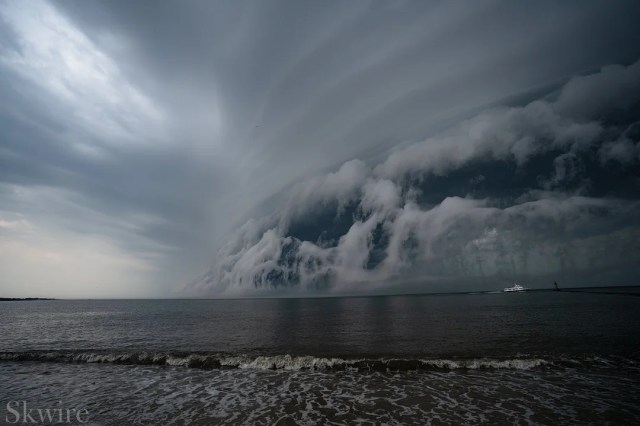
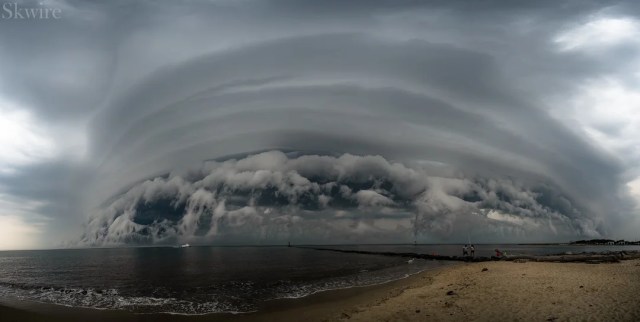
With its layered, curling front, the formation resembled an enormous wall advancing over the water toward land.
The person who shared the images noted that plenty of others witnessed the moment as well.
"There were a lot of people who saw and shot this, and these are some of my images," they wrote underneath the photos.
TCD Picks » Quince Spotlight
💡These best-sellers from Quince deliver affordable, sustainable luxury for all




One commenter reacted to the timing and the spectacle.
"Wow, that looks unreal! You were so lucky to catch that — seriously stunning shot," they replied.
The original poster, meanwhile, described it as "easily one of the best shelf clouds I've seen come in across the bay here before."
More background
A shelf cloud is a low, wedge-shaped cloud that often forms along the leading edge of a thunderstorm's outflow.
In simple terms, it can mark the boundary where cooler air from a storm pushes outward, sometimes bringing gusty winds and rain behind it.
Over a flat shoreline and open bay, these formations can appear even larger, creating the illusion that the sky is folding down toward the water.
Photos like these can make weather patterns easier to recognize in real life, especially for people who spend time boating, fishing, walking on beaches, or visiting exposed coastal areas where storm conditions can change quickly.
Reacting to the ominous look of the cloud, one commenter put it simply: "That looks so evil."
What can be done?
For people at the beach, a shelf cloud can signal changing conditions.
If a dark, fast-moving cloud line is approaching, check weather alerts, get off the sand, and move away from the water.
Because these clouds can bring strong winds, lightning, and sudden rain, the safest option is to head to a sturdy building or a hard-topped vehicle. Open shorelines, boardwalks, piers, and parking lots can leave people exposed if a storm intensifies quickly.
Dramatic weather photos are best taken from a safe distance. Capturing a rare scene can be exciting, but it should never come before storm safety.
"That's so cool, it looks like a frozen waterfall," one commenter wrote.
In a comment, the original poster articulated a feeling many users shared: "Especially gnarly shelf clouds really hit a particular spot for me. I find them beautiful, grotesque, peaceful, and haunting all at once."

Get TCD's free newsletters for easy tips, smart advice, and a chance to earn $5,000 toward home upgrades. To see more stories like this one, change your Google preferences here.






