


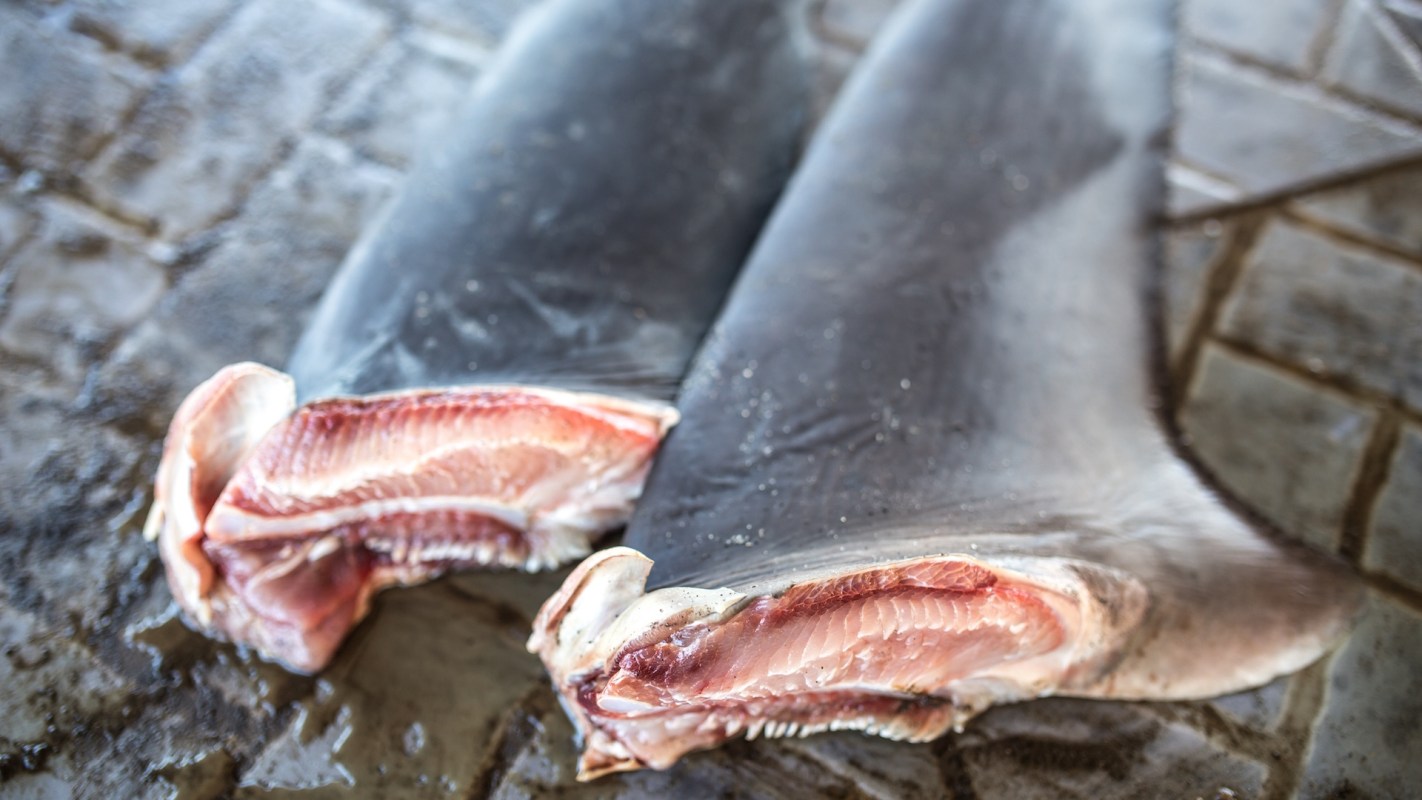
A California-led analysis suggests shark-finning regulations have not meaningfully slowed the worldwide market for shark products, even as high-end demand for fins keeps pressure on species that are already vulnerable.
What happened?
In the study led by UC Santa Barbara, Renmin University of China, and The Nature Conservancy, researchers tested whether countries' shark-finning rules altered international shark-product commerce.
The team said the analysis found no measurable changes in exports, imports, domestic consumption, or how many trading partners a country had, in a press release.
Published in Nature Communications, the study tackled a gap that had long limited this kind of analysis. Finning regulations are designed to stop vessels from removing the high-value fins and dumping the rest of the shark overboard, but researchers previously did not have a reliable way to match fishery catches with what later entered trade channels.
To do that, the team relied on the Aquatic Resource Trade in Species dataset, or ARTIS. They measured each country's trade patterns before and after finning regulations took effect and used countries with no such rules as the comparison group.
"We evaluated many different things and found that there's really no clear-cut answer to our research question," Echelle Burns, a UC Santa Barbara project scientist, said in the release.
TCD Picks » Quince Spotlight
💡These best-sellers from Quince deliver affordable, sustainable luxury for all




Why does it matter?
Heavy fishing can be especially hard for sharks because many species rebuild slowly. They often take a long time to mature and produce relatively few offspring, so sustained demand can overwhelm recovery for years.
When policy does not meaningfully reduce trade, progress toward healthier oceans can stall. Sharks play a critical role in marine ecosystems, and damage to ocean food webs can ripple outward to fisheries, local jobs, tourism, and food security.
"Many shark species face extinction because they're frequently caught by fisheries — sometimes on purpose and sometimes by accident," Burns added in the release.
The study also points to a deeper issue. Regulating fishing behavior alone may not be enough when the economics of global trade remain unchanged. If shark products can still move through the same supply chains, harmful pressure on wildlife may continue even when rules appear strict on paper.
"This research highlights the complex dynamics between fishing practices and trade," Sara Orofino, a co-lead author, explained in the release.
What's being done?
What has changed is the data available to study the problem. ARTIS links fishery information with trade records, giving researchers and policymakers a fuller view of the path shark products take from capture to international markets.
That could help governments design stronger protections that work across the full supply chain, rather than focusing only on what happens onboard vessels.
The findings also introduce the possibility of unexpected market effects.
"For example, if a country requires that fishing vessels must land sharks with their fins still attached, the influx of shark meat could stimulate market expansion for shark products," Kaiwen Wang, an economist at Renmin University of China, suggested in the release.
While the result offers little clarity on why regulations are falling short, they are significant in indicating that further work is needed to protect sharks through addressing gaps in enforcement and supply chain behavior.
"Our findings are an important warning that real-world changes along the supply chain of shark products are much more complicated than we would have thought," Wang concluded in the release.

Get TCD's free newsletters for easy tips, smart advice, and a chance to earn $5,000 toward home upgrades. To see more stories like this one, change your Google preferences here.






